


 English
 Español
 عربى
عربى
 中文简体
中文简体



+86-180 3665 1199
Content
- 1 What Are Acoustic Desk Screens?
- 2 Acoustic Desk Screens and Open Office Noise Reduction
- 3 Office Privacy and Sound Absorption: Why Both Matter
- 4 Workspace Design: Integrating Screens Into Your Floor Plan
- 5 Acoustic Desk Screen Installation: What to Expect
- 6 Acoustic Desk Screens for Open Offices: A Practical Buying Guide
Open-plan offices are the default choice for modern businesses — but without the right acoustic controls, they become productivity killers. Acoustic desk screens are the single most effective tool for reducing noise, creating visual privacy, and transforming a chaotic open floor plan into a space where people can actually think.
66% of workers say noise is their biggest distraction at work
50% reduction in ambient noise with properly installed desk screens
28% productivity gain reported in acoustically optimised offices
What Are Acoustic Desk Screens?
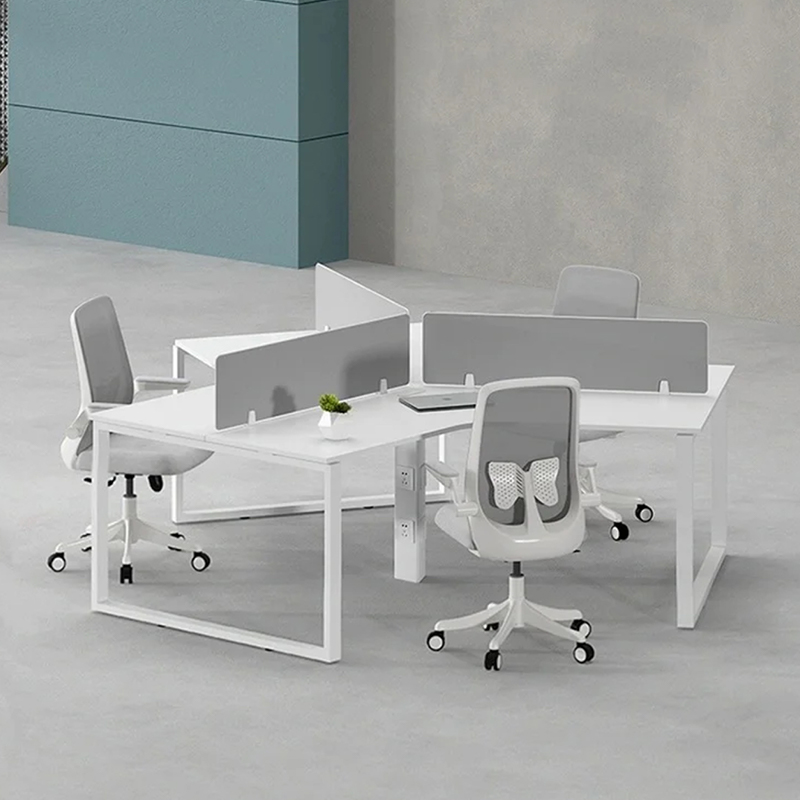
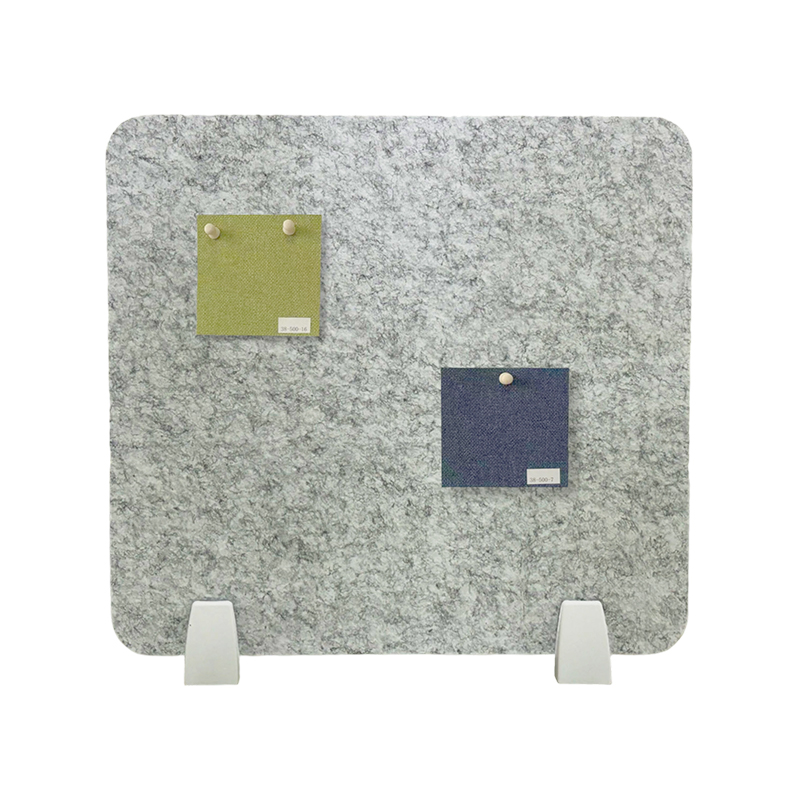
An acoustic desk screen is a sound-absorbing panel mounted directly to a desk surface or freestanding on the floor beside a workstation. Unlike standard desk dividers — which only block line of sight — acoustic screens are engineered with high-density foam, recycled polyester fibre, or mineral wool cores wrapped in fabric or felt. These materials absorb sound waves rather than reflecting them, measurably reducing the ambient noise level within and around a workstation cluster.
Acoustic desk screens are purpose-built panels that absorb sound energy at the point of origin — reducing noise at the workstation rather than attempting to manage it room-wide.
The key performance metric is the Noise Reduction Coefficient (NRC), which runs from 0 (total reflection) to 1 (total absorption). High-quality acoustic desk panels typically achieve NRC ratings between 0.65 and 0.90 — meaning they absorb up to 90% of the sound energy that strikes them.
Acoustic Desk Screens and Open Office Noise Reduction
Open offices create a phenomenon called the "cocktail party effect" — as background noise rises, people raise their voices to be heard, which raises background noise further. Acoustic desk screens for noise reduction interrupt this cycle by absorbing speech frequencies (typically 500 Hz to 4,000 Hz) before they propagate across the floor plate.
Without Acoustic Screens
- Speech intelligibility above 70% at 10 metres
- Reverberant noise builds throughout the day
- Workers self-report poor concentration after 2 hours
- Phone calls and meetings disturb surrounding desks
- Average office noise level: 65–70 dB(A)
With Acoustic Screens
- Speech intelligibility drops below 20% at 4 metres
- Localised absorption prevents noise build-up
- Concentration sustained for full working sessions
- Conversations contained within workstation clusters
- Average reduction: 8–15 dB(A) at adjacent desks
Office Privacy and Sound Absorption: Why Both Matter
Acoustic desk screens for office privacy serve a dual purpose that is easy to overlook: they protect both the speaker and the listener. Visual privacy reduces self-censorship — employees are more willing to discuss sensitive topics, take calls, or collaborate quietly when they cannot be directly observed. Sound absorption ensures those conversations do not carry to neighbouring desks.
In sectors such as finance, healthcare, legal services, and HR, conversational privacy is not a comfort feature — it is a compliance requirement under GDPR and sector-specific data protection regulations. Acoustic screening provides a physical, auditable measure that demonstrates reasonable steps have been taken to prevent inadvertent data disclosure.
Speech Privacy
Screens with NRC 0.8+ prevent neighbouring workers from following conversations, protecting both concentration and confidentiality.
Visual Separation
Panel heights between 400mm and 600mm above desk level block direct eye contact without creating a closed, isolated feel.
Regulatory Support
Physical acoustic barriers are increasingly cited in workplace privacy audits as evidence of proactive data protection measures.
Psychological Safety
Workers in acoustically screened zones report 34% higher satisfaction with their ability to focus and manage their own work pace.
Workspace Design: Integrating Screens Into Your Floor Plan
Acoustic desk screens for workspace design are not simply accessories bolted onto existing furniture — they are a core spatial planning tool. Positioning, height, and material choice all determine whether screens complement the aesthetic or visually fragment the floor plate.
| Screen Type | Best Application | Typical NRC | Height Range |
| Desk-mounted front screen | Linear benching runs | 0.65–0.75 | 400–500mm |
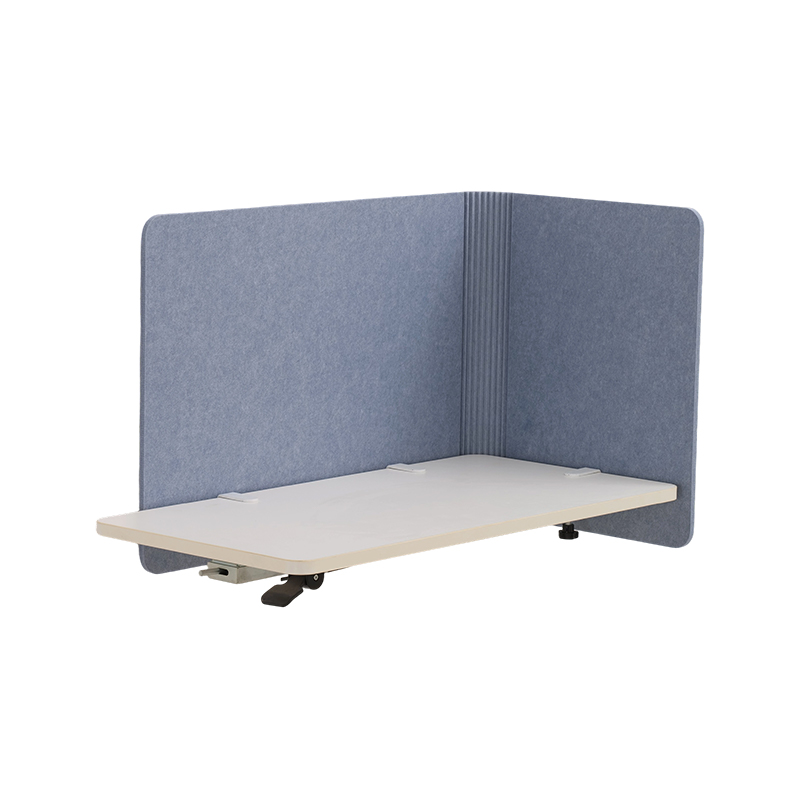
| Desk-mounted side screen | Individual workstation separation | 0.70–0.85 | 400–600mm |
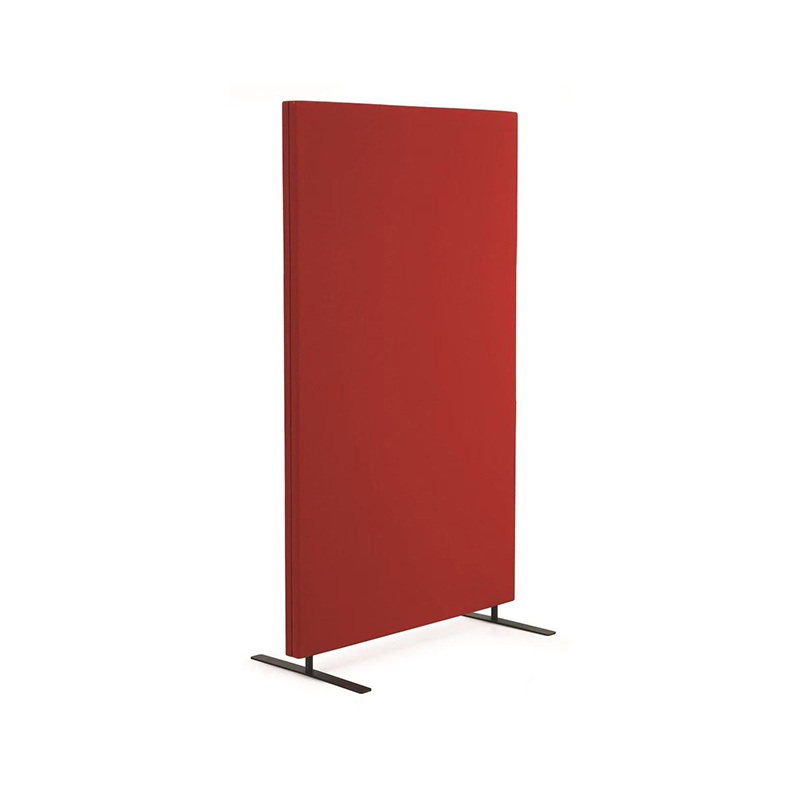
| Freestanding floor screen | Zoning open areas without fixed furniture | 0.75–0.90 | 1200–1800mm |
| Hanging / suspended panel | Ceiling-level noise control above clusters | 0.80–0.95 | N/A |
For maximum acoustic performance, combine desk-level screens with ceiling baffles or wall panels. Desk screens manage direct speech at source; ceiling-mounted elements catch reflected sound that would otherwise bounce off hard surfaces overhead.
Acoustic Desk Screen Installation: What to Expect
Acoustic desk screens for installation are designed for rapid deployment — most desk-mounted systems require no tools beyond a screwdriver and can be fitted by facilities staff in under ten minutes per workstation. Clamp-mounted systems attach to desk edges between 18mm and 30mm thick without drilling, preserving desk surfaces and lease compliance in serviced offices.
Key installation considerations include:
- Cable management: choose screens with integrated channel routing to avoid trailing cables along screen edges
- Modular connectivity: panel-to-panel joining clips allow screens to extend across benching runs without visible gaps
- Weight distribution: dense acoustic-grade panels are heavier than standard dividers — confirm desk frame load ratings before fitting
- Fabric selection: darker, matte-finish fabrics absorb more light and slightly more sound than reflective surfaces; lighter fabrics maintain a brighter environment
- Maintenance access: ensure screens can be removed or repositioned without dismantling adjacent furniture
Acoustic Desk Screens for Open Offices: A Practical Buying Guide
Acoustic desk screens for open offices are available across a wide price and performance range. Avoid products that quote "acoustic" in the name but provide no NRC certification — legitimate acoustic panels are independently tested to ISO 354 or ASTM C423 standards. Request test certificates before specifying any product at scale.
Key Buying Criteria at a Glance
- NRC rating: 0.75 or above for meaningful noise reduction in busy open offices
- Panel core: recycled polyester or mineral wool outperforms foam at mid and low frequencies
- Certification: ISO 354 / ASTM C423 test certificate from an accredited lab
- Height: 500mm above desk level is the minimum for effective speech privacy
- Fixings: tool-free clamp systems for flexibility; bracket-mounted for permanent benching
- Lead time: bespoke fabric colours typically add 3–5 weeks; off-the-shelf ranges ship in 5–10 days


