


 English
 Español
 عربى
عربى
 中文简体
中文简体



+86-180 3665 1199
Content
Acoustic desk screens are freestanding or desk-mounted panels engineered to absorb sound waves and soften visual distraction across open-plan workstations. As hybrid work models push more focus-intensive tasks onto shared floors, office furniture manufacturers, interior designers, and corporate workspace planners are specifying acoustic desk screens to balance collaboration with concentration. Selecting the right screen means evaluating material composition, mounting style, sound absorption performance, and how the panel fits into an overall workstation layout. This guide walks through the practical criteria for specifying acoustic desk screens — from panel types and applications to performance metrics and installation methods — so the resulting decision is grounded in measurable acoustic and ergonomic outcomes rather than guesswork.
Types of Acoustic Desk Screens
Acoustic desk screens fall into several functional categories, each suited to a different workstation configuration and acoustic goal. Understanding these acoustic desk screen types is the first step toward matching a product to a specific floor plan, whether the project calls for a soundproof desk divider screen on an existing bench or a fully modular office desk screen system for a new build-out.
Definition: An acoustic desk screen is a rigid or semi-rigid panel, typically core-filled with a sound-absorbing material and wrapped in an acoustically transparent fabric, mounted to or positioned at a desk edge to reduce reflected noise and limit sightlines between adjacent workstations.
- Freestanding Screens
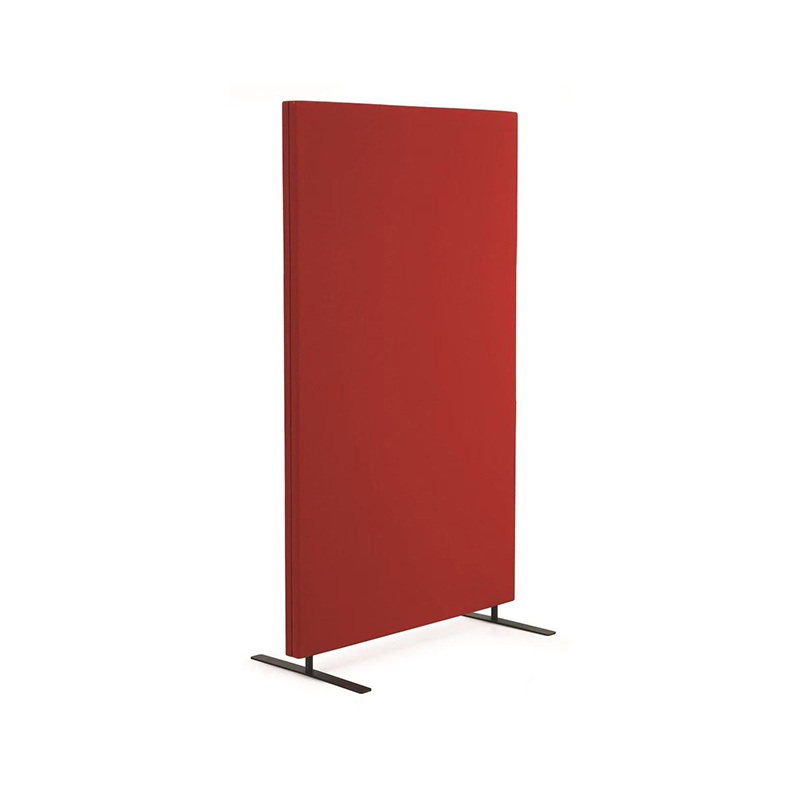
Self-supporting office desk divider screens with a weighted or wide base, positioned without fixing to furniture. Useful where desks are reconfigured often or where a landlord restricts drilling into existing surfaces.
- Desk-Mounted Panels
Clamp- or bracket-fixed acoustic office panels attached directly to the desktop edge. This category delivers the most stable, low-footprint option for benching and bench-style workstations.
- Modular Screen Systems
Interlocking or track-mounted modular office desk screens designed to extend across multi-desk runs, allowing planners to standardize screen height and spacing across an entire floor.
- Fabric-Wrapped Acoustic Screens
Fabric desk screens built around a dense acoustic core and finished in an upholstery-grade textile, offering the widest range of colorways for coordinating with existing office interiors.
- Hybrid Vision Screens
Desk privacy screens that combine a lower acoustic panel section with an upper glazed or perforated section, preserving sightlines and natural light while still absorbing desk-level noise.
Material differences among these types matter as much as form factor. Sound absorbing desk screens built around polyester fiber or PET felt cores tend to offer a lighter overall weight and easier repositioning, while denser fiberglass or mineral-wool cores generally provide stronger absorption at lower frequencies. Matching the core material to the dominant noise sources on a given floor — voices, keyboard activity, or HVAC hum — is a more reliable selection method than choosing by appearance alone.
Applications of Acoustic Desk Screens
Acoustic desk screens serve distinct functions depending on the workspace type they are deployed in, which is why application context should drive specification as much as material choice. The same panel that suits a quiet corporate office may underperform on a high-density call center floor.
Open-Plan Office Solutions
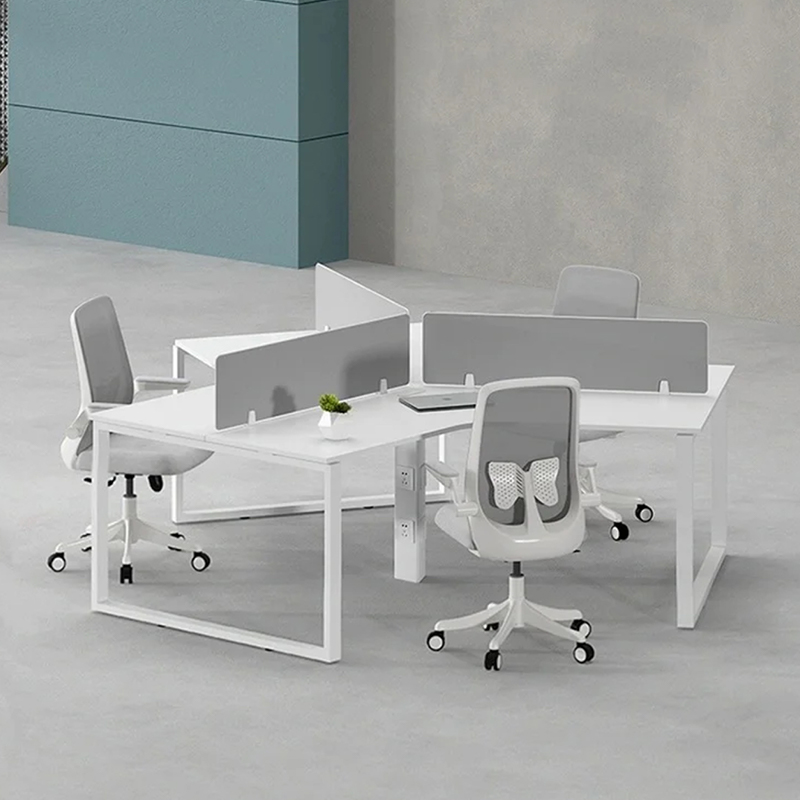
In open-plan layouts, acoustic desk screens for open office settings are typically specified to reduce speech intelligibility between neighboring desks and to create a visual sense of personal territory without fully enclosing the workstation. Mid-height panels — generally positioned at or slightly above seated eye level — are the most common choice, since they intercept direct sound paths while keeping the floor feeling open.
Call Center and High-Density Floors
Desk divider screens for call centers face a tougher acoustic load: constant simultaneous speech across tightly packed workstations. Here, taller, denser panels with strong sound absorption ratings are favored, often combined with modular office acoustic partitions that wrap around three sides of a desk to control noise bleed in every direction.
Workstation Privacy and Corporate Settings
Workstation privacy acoustic screens in corporate office acoustics programs are frequently chosen for their dual role: reducing distraction while reinforcing a sense of individual workspace within a shared floor plan. In executive or client-facing zones, fabric finish and color coordination often carry as much weight as acoustic rating.
Open-Plan Offices
- Mid-height panels for visual openness
- Moderate absorption, broad frequency range
- Fabric finish matched to interior palette
- Flexible, reconfigurable mounting
Call Center Floors
- Taller panels for maximum sound blocking
- Higher-density core for speech absorption
- Multi-side wraparound configurations
- Fixed, modular installation across rows
Beyond these two extremes, office partitions built from acoustic desk screens also appear in coworking spaces, training rooms, and reception areas, where the goal shifts toward general noise reduction desk panels that soften overall room acoustics rather than isolating a single workstation. In every case, matching panel height, density, and placement to the specific noise profile of the room delivers a better outcome than defaulting to a single standard specification across an entire building.
Key Performance Properties Buyers Should Evaluate
Acoustic performance in desk screens is determined primarily by core material density, surface facing, panel thickness, and how the product has been tested against recognized acoustic and fire standards. Evaluating these properties side by side allows buyers to compare products on measurable terms rather than marketing language.
NRC Noise Reduction Coefficient rating scale
25–50mm Typical acoustic core thickness range
Class A/B Common fire retardant classification tiers
2–4 zones Typical desk coverage per screen unit
Sound Absorption and NRC Rating
The Noise Reduction Coefficient, or NRC, describes how much sound energy a panel absorbs versus reflects, expressed on a scale from 0 to 1. When comparing an acoustic desk screen NRC rating across products, request the test method and lab reference rather than relying on a single number in isolation, since absorption performance varies by frequency and mounting condition.
Fire Retardant Compliance
A fire resistant acoustic desk screen should carry documentation against a recognized building or furnishing fire standard relevant to the destination market. For commercial installations, confirming that both the fabric facing and the internal core meet applicable fire retardant office panel requirements is a baseline due-diligence step, not an optional upgrade.
Durability and Fabric Construction
A durable fabric acoustic panel should resist pilling, fading, and edge fraying under daily contact, particularly on desk-mounted screens positioned at elbow height. High density acoustic panel desk divider constructions generally hold their shape better over time than lightweight foam alternatives, though this typically comes with a modest weight increase that affects mounting hardware choice.
| Core Material | Typical Density | Best Suited Application |
| PET Felt (recycled polyester) | Low to medium | Open-plan offices, modular layouts |
| Melamine or mineral-wool foam | Medium to high | Call centers, high-noise floors |
| Fiberglass composite | High | Corporate and executive workstations |
The office desk screen sound reduction level a buyer ultimately needs depends on baseline ambient noise, ceiling height, and floor density — factors best assessed with a brief site acoustic review before finalizing a specification.
Installation and Workspace Design Considerations
Correct installation directly affects how well an acoustic desk screen performs, since even a high-performing panel loses effectiveness if mounted at the wrong height or gapped incorrectly from the desk surface.
Measure the Workstation
Confirm desk depth, edge thickness, and existing partition heights before selecting a desk mount screen system, since bracket types vary by desktop thickness.
Choose the Mounting Method
Select between clamp-on brackets, freestanding bases, or a modular office partition system depending on how frequently the layout will be reconfigured.
Set Screen Height and Sightlines
Position the panel to intercept direct sound paths between seated occupants while keeping sightlines appropriate for the surrounding workstation layout design.
Install Across the Row
For modular office desk divider setup projects, install screens sequentially along the row to maintain consistent spacing and alignment between units.
Verify Placement
Walk the floor after installation to confirm screens are positioned to reduce noise from the loudest zones, adjusting placement where needed.
Office workstation layout acoustic design benefits from treating desk screens as one part of a broader plan that also considers ceiling absorption, flooring, and desk spacing. Knowing how to position acoustic desk screens relative to walkways, meeting pods, and shared equipment areas helps prevent sound from simply redirecting around the panel rather than being absorbed by it.
FAQ
What are acoustic desk screens used for?
They are used to reduce noise transfer between adjacent workstations and to create a visual sense of privacy within open-plan or benching office layouts.
Do acoustic desk screens reduce noise?
Yes. Their core material absorbs a portion of sound energy that would otherwise reflect between desks, lowering overall speech intelligibility and background noise buildup.
What materials are acoustic desk screens made of?
Common constructions include PET felt, melamine or mineral-wool foam, and fiberglass composite cores, finished with an acoustically transparent fabric facing.
How do you install desk divider screens?
Most screens are installed with clamp-on brackets to the desk edge, a freestanding base, or a track-based modular system, depending on the desk configuration and how often the layout changes.
Are acoustic desk screens fire resistant?
Quality panels are tested against recognized fire retardant standards for both the core and fabric facing; buyers should request test documentation relevant to their local building code.
Can acoustic desk screens improve privacy?
Yes. Beyond sound absorption, the physical panel limits direct sightlines between neighboring desks, which supports a stronger sense of individual workspace.
Final Thoughts
Selecting acoustic desk screens comes down to matching panel type, application, and performance rating to the specific noise profile of the space. Open-plan floors, call center rows, and corporate workstations each call for different heights, densities, and mounting approaches. Buyers who evaluate NRC ratings, fire compliance, and fabric durability alongside layout and installation method are better positioned to specify a solution that performs consistently once installed, rather than one chosen on appearance alone.


