


 English
 Español
 عربى
عربى
 中文简体
中文简体


+86-180 3665 1199
Content
- 1 Mechanical Properties and Material Composition of PET Acoustic Panels
- 2 Global Flame Retardant and Safety Compliance Standards
- 3 Scalable Manufacturing and Carbon Neutrality Logistics
- 4 Performance Comparison: Polyester Fiber vs. Mineral Wool
- 5 Technical FAQ for Architectural Specifications
- 6 Industry References and Standards
For sustainable interior design, carbon-neutral polyester fiber panels are the definitive solution, offering a Noise Reduction Coefficient (NRC) of 0.85 while maintaining full recyclability. Unlike traditional fiberglass or mineral wool, Acoustic Wall Panels manufactured via needle-punched non-woven technology eliminate chemical binders, achieving an E0 formaldehyde emission rating. This technical shift ensures that the materials meet strict LEED and WELL building certifications for indoor air quality and environmental impact.
Mechanical Properties and Material Composition of PET Acoustic Panels
The core of sustainable interior design lies in the lifecycle of the material. Yayin New Materials Jiangsu Co., Ltd. utilizes 100% recyclable polyester fiber (PET) processed through mechanical interlocking rather than resin bonding. This needle-punched non-woven technology creates a porous structure that traps sound energy through viscous friction within the fibers. The physical density is typically maintained at 1900g/m2 to 2400g/m2 for a 9mm panel, providing the necessary mass for sound absorption without the use of toxic VOCs.
Global Flame Retardant and Safety Compliance Standards
Safety is a non-negotiable parameter for industrial-grade recyclable acoustic materials. Engineering specifications must adhere to international fire safety protocols to be viable for commercial architectural projects. High-performance polyester panels reach Class A under the ASTM E84 (US Standard) and Class B-s1, d0 under EN13501-1 (EU Standard), ensuring low smoke production and zero flaming droplets during combustion.
| Technical Parameter | Standard Code | Performance Result |
| Noise Reduction Coefficient | ASTM C423 | 0.85 NRC |
| Flame Retardancy (US) | ASTM E84 / UL723 | Class A |
| Formaldehyde Emission | GB/T 18580 | E0 Level (≤ 0.5 mg/L) |
| Thermal Conductivity | ASTM C518 | ≤ 0.035 W/(m·K) |
Scalable Manufacturing and Carbon Neutrality Logistics
The environmental footprint of Acoustic Wall Panels is significantly reduced through localized production and high-capacity facilities. With a total area exceeding 30,000 square meters across Jiangsu, Zhejiang, and Jiangxi, the manufacturing process integrates ISO9001 quality management and ISO14001 environmental systems. This regional cluster advantage in Lianyungang and Huzhou allows for optimized supply chain logistics, further lowering the embodied carbon of the final product delivered to global markets.
Performance Comparison: Polyester Fiber vs. Mineral Wool
In high-traffic environments, antibacterial sound-absorbing materials must withstand physical impact and humidity. While mineral wool is prone to "sagging" and fiber shedding, polyester panels maintain tensile strength ≥ 50N and are resistant to moisture absorption. The synthetic nature of PET prevents mold growth, a critical factor for sustainable buildings located in high-humidity climates. Furthermore, the heat-insulating properties contribute to overall building energy efficiency, reducing HVAC loads.
Technical FAQ for Architectural Specifications
What is the maximum NRC achievable with 9mm polyester panels?
With an air gap of 50mm during installation, a 9mm Acoustic Wall Panel can reach an NRC of 0.85, effectively absorbing mid-to-high frequency noise.
Are these panels suitable for LEED-certified projects?
Yes. Due to the E0 formaldehyde rating and high recycled content (often up to 60% post-consumer PET), these panels contribute points toward Indoor Environmental Quality and Material Resources categories.
How is the flame retardant property achieved without toxic chemicals?
Flame retardancy is achieved by integrating phosphorus-based retardants into the fiber polymer chain during the extrusion process, rather than a surface coating, meeting UL723-2018 standards.
Can the panels be customized for specific interior aesthetics?
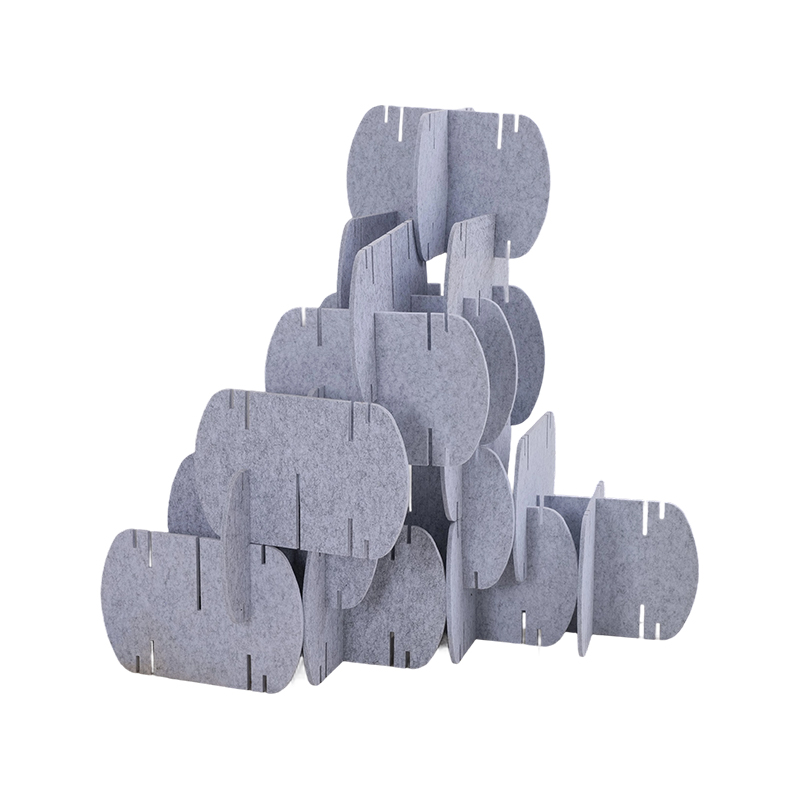
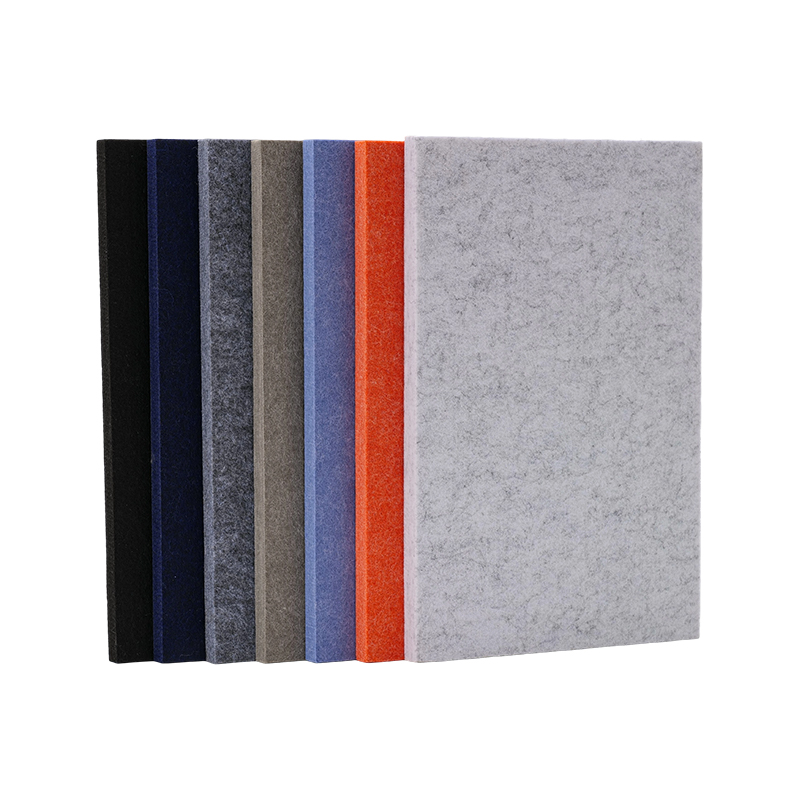
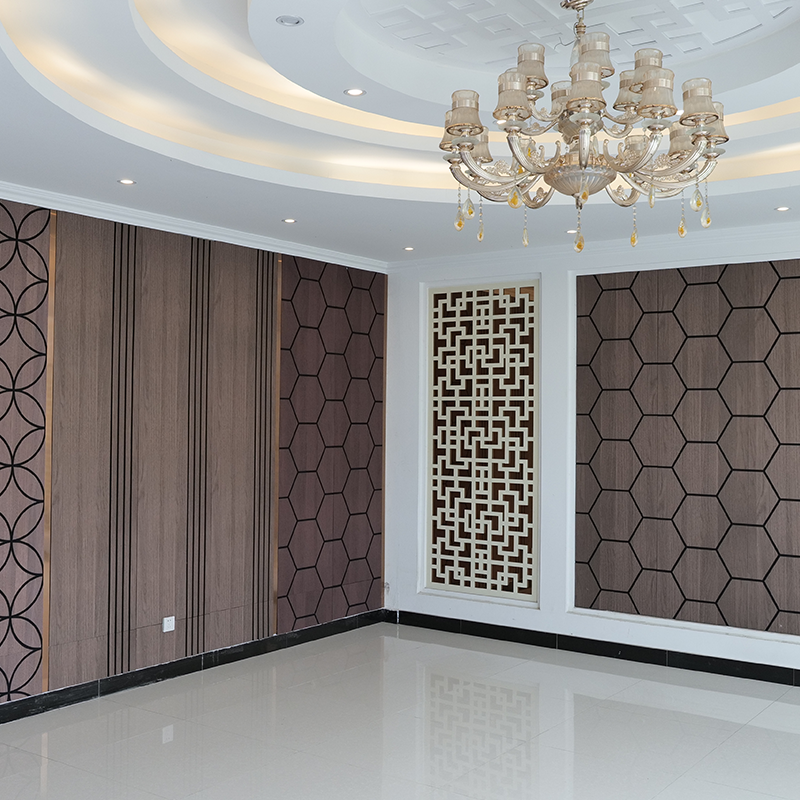
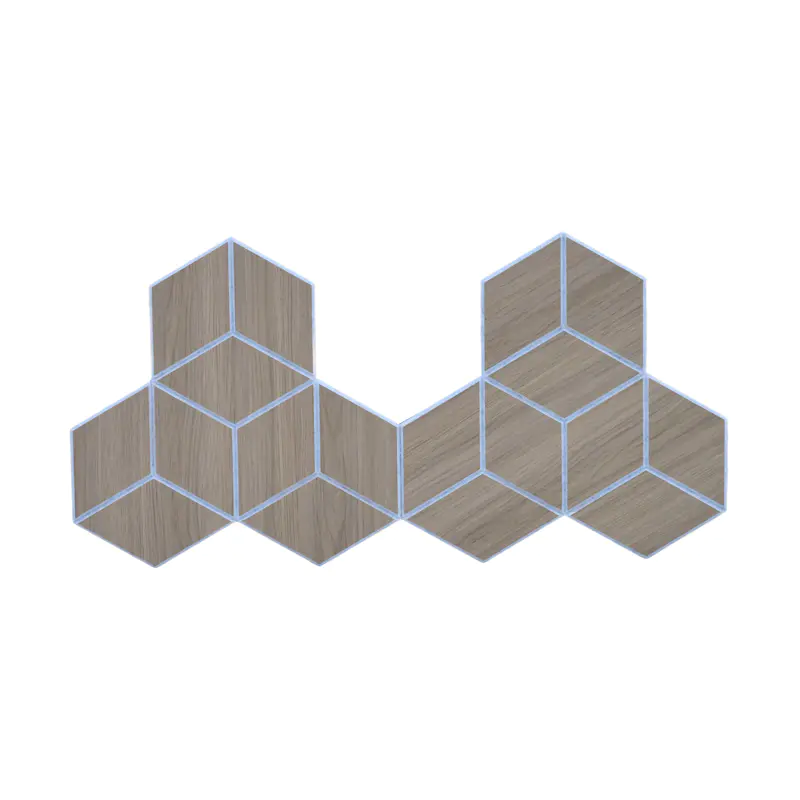
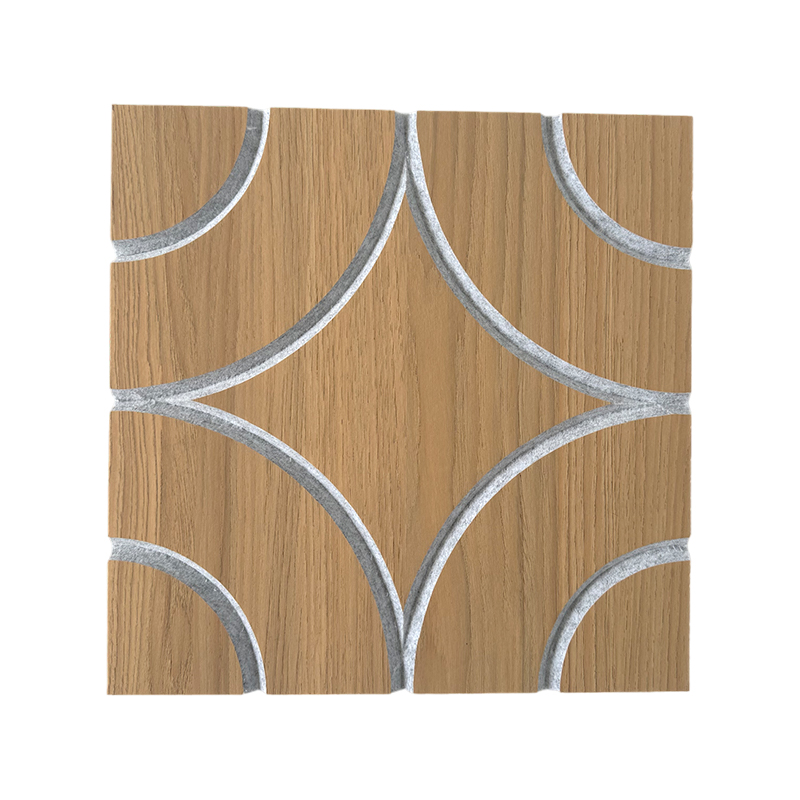
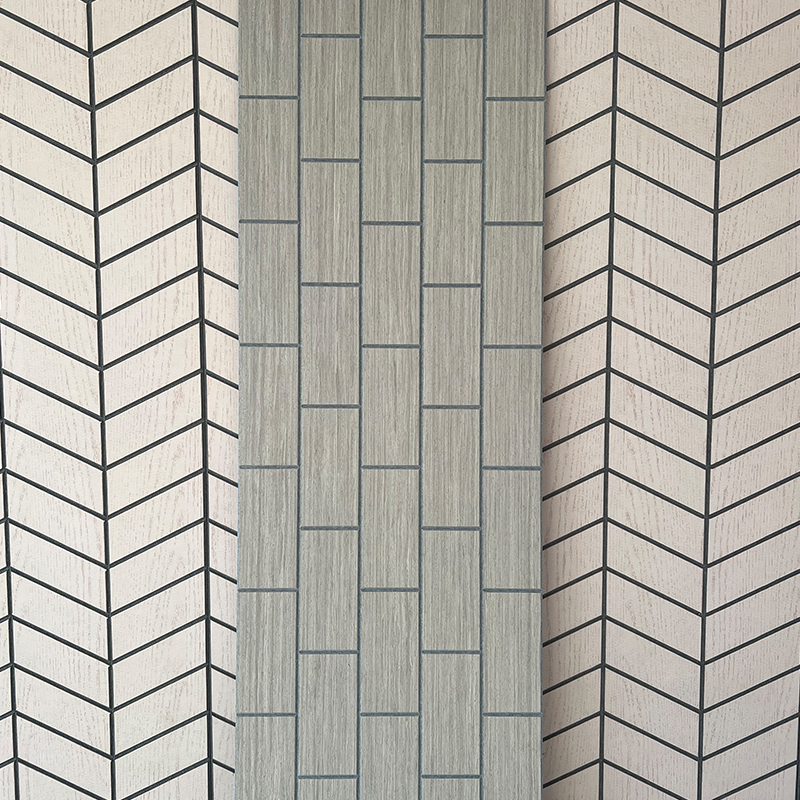
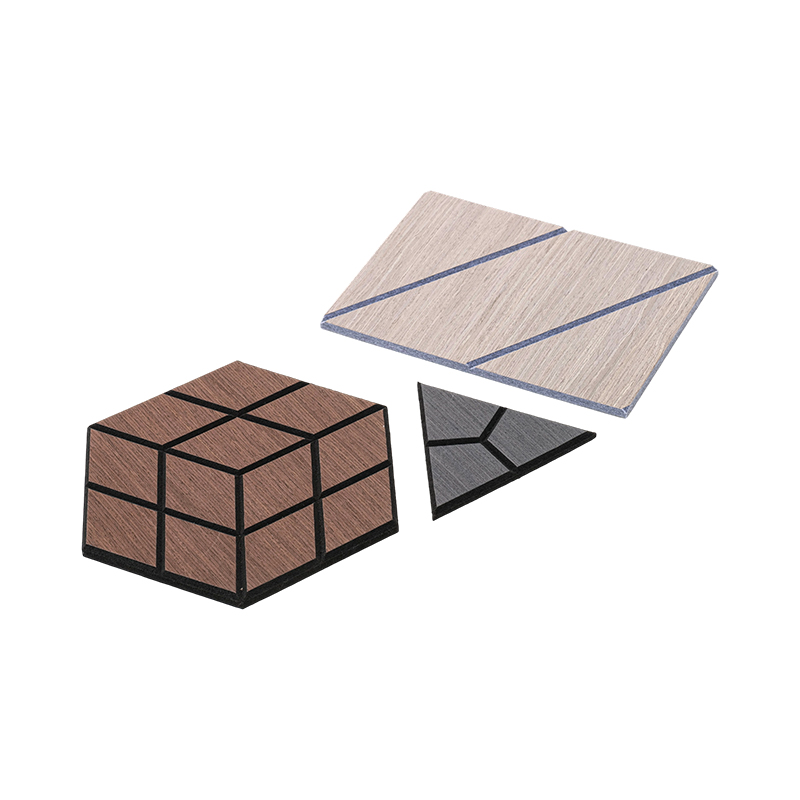
The needle-punching process allows for varied surface textures and over 40 color pigments. High-precision CNC cutting ensures a dimensional tolerance of ±0.5mm for complex decorative patterns.
What is the lifespan of polyester fiber acoustic panels?
Under standard indoor conditions, PET panels maintain their structural integrity and acoustic performance for over 10 years without degradation or fiber shedding.
Industry References and Standards
- ASTM E84: Standard Test Method for Surface Burning Characteristics of Building Materials.
- EN13501-1: Fire classification of construction products and building elements.
- ISO 14001: Environmental management systems — Requirements with guidance for use.


