


 English
 Español
 عربى
عربى
 中文简体
中文简体


+86-180 3665 1199
Content
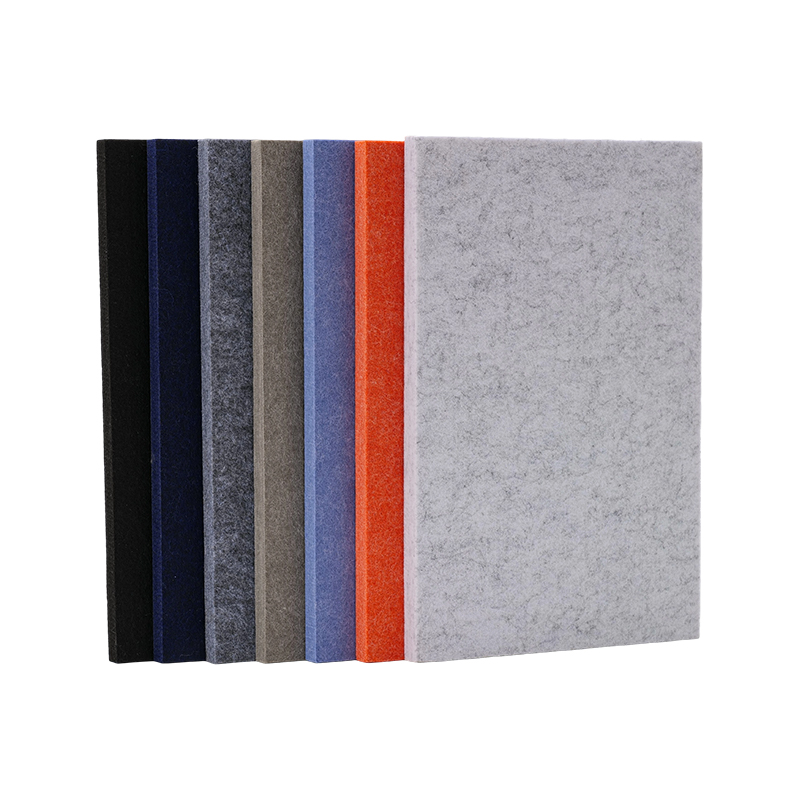
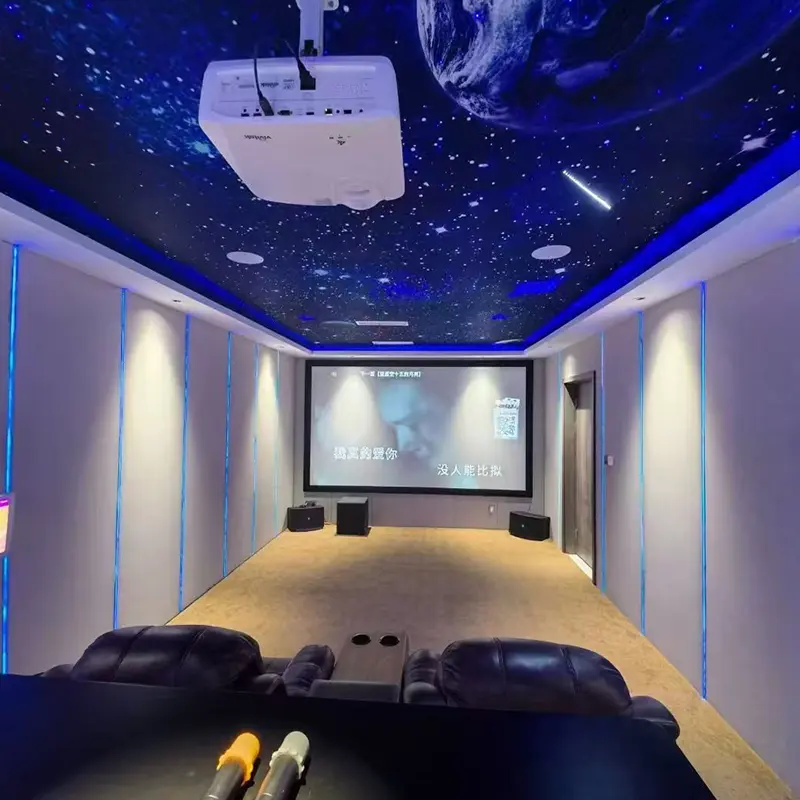
For high-performance sustainable interior design, carbon-neutral polyester fiber panels engineered via needle-punched non-woven technology represent the primary solution for achieving a Noise Reduction Coefficient (NRC) of 0.85. Unlike traditional fiberglass, these Acoustic Wall Panels are 100% recyclable and maintain an E0 formaldehyde emission level, ensuring compliance with LEED and WELL building standards for indoor air quality and environmental health.
Material Composition and Structural Integrity of PET Panels
The transition to recyclable acoustic materials requires a deep analysis of fiber interlocking mechanisms. Yayin New Materials Jiangsu Co., Ltd. utilizes heat-bonded polyester filaments that eliminate the need for chemical adhesives, resulting in superior structural stability:
- Fiber Density: Precision-engineered between 1900g/m2 and 2400g/m2 for optimal sound attenuation.
- Tensile Strength: ≥ 50N to ensure dimensional stability in high-traffic commercial zones.
- Dimensional Tolerance: Tight control within ±0.5mm via advanced CNC precision cutting.
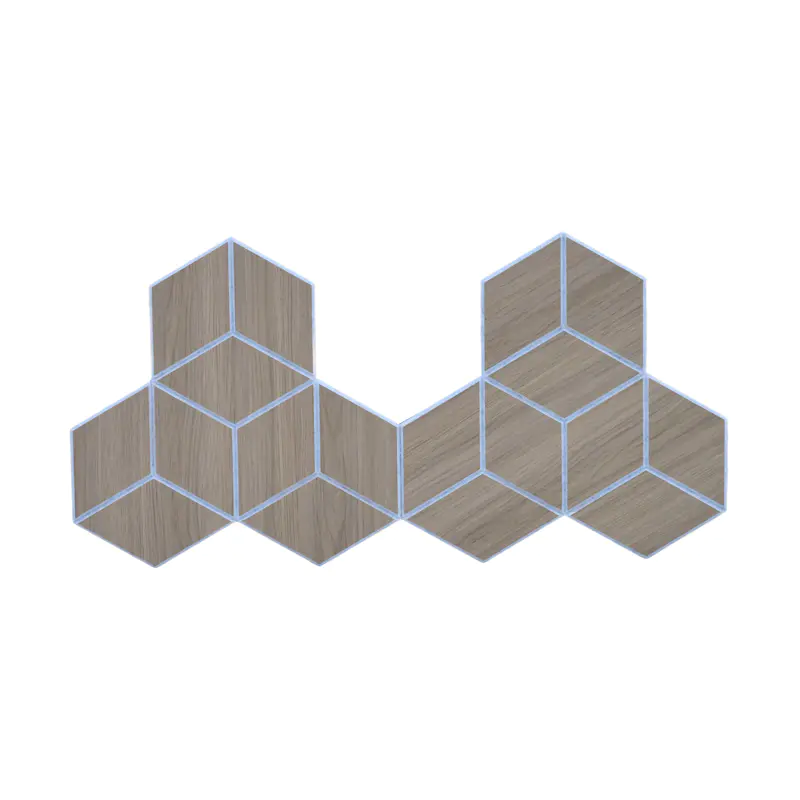
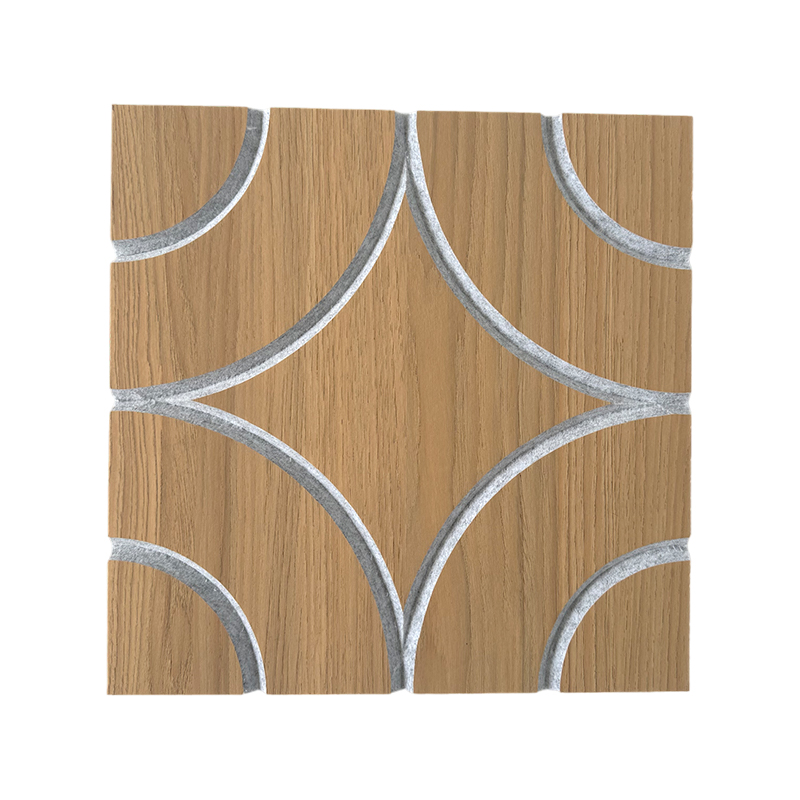
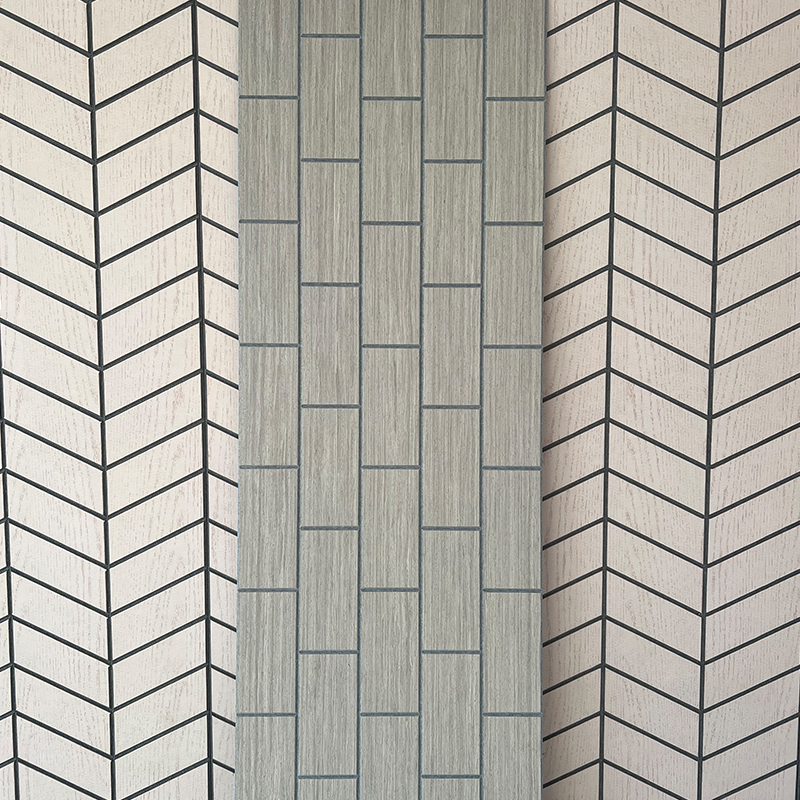
- Surface Finish: Consistent Ra values that support high-resolution UV printing and decorative lamination.
Global Fire Safety and Safety Certification Standards
In the selection of Acoustic Wall Panels, fire safety parameters are non-negotiable for industrial-scale architectural projects. The chemical composition must prevent flame spread while minimizing smoke toxicity:
- ASTM E84 (US Standard): Achievement of Class A rating, the highest safety tier for interior finishes.
- EN13501-1 (EU Standard): Achievement of Class B-s1, d0, indicating limited smoke production and no flaming droplets.
- UL723-2018: Verified compliance for flame spread and smoke developed indices in critical infrastructure.
- Antimicrobial Properties: Resistance to fungal growth (Grade 0) as per industrial biological testing.
Acoustic Absorption and Thermal Insulation Data
The efficacy of sound-absorbing materials is measured by their ability to convert kinetic sound energy into thermal energy through friction within the fiber matrix:
- Sound Absorption (NRC): Reaches 0.85 when installed with a 50mm cavity, outperforming traditional gypsum or wood.
- Thermal Conductivity: Values ≤ 0.035 W/(m·K), contributing to the thermal envelope efficiency of a building.
- Specific Heat Capacity: Optimized to assist in maintaining stable indoor temperatures, reducing HVAC energy consumption.
- Moisture Resistance: Water absorption rate < 1% by weight, preventing acoustic degradation in humid environments.
| Technical Specification | Measurement Standard | Performance Result |
| Noise Reduction Coefficient | ASTM C423 / ISO 354 | 0.85 NRC |
| Formaldehyde Emission | GB/T 18580-2017 | E0 Level (≤ 0.5mg/L) |
| Flame Retardancy | ASTM E84 / EN13501-1 | Class A / Class B-s1, d0 |
| Material Density | Internal QC | 200kg/m3 (Standard 9mm) |
Manufacturing Scalability and Regional Logistics Advantages
The production of carbon-neutral polyester fiber panels at scale requires integrated management systems. Operating from a 30,000 square meter footprint across Jiangsu, Zhejiang, and Jiangxi, the manufacturing process leverages regional industrial clusters to ensure high conversion efficiency:
- ISO9001 Certification: Rigorous quality management covering research, development, and mass production.
- ISO14001 Certification: Environmental management systems that monitor energy waste and resource recycling.
- Needle-Punched Technology: High-speed mechanical interlocking that reduces carbon footprint compared to melt-blown alternatives.
- Factory Direct Capacity: Branch factories in Nanchang and Huzhou provide decentralized logistics, reducing transport emissions.
Technical FAQ for Acoustic Wall Systems
How does PET fiber compare to mineral wool in sustainability?
PET fiber is 100% recyclable and does not shed micro-fibers, making it safer for respiratory health and more durable over 10+ year lifecycles.
What is the typical installation method for maximum NRC?
Mechanical fastening or eco-friendly spray adhesives on an aluminum frame with a 50mm air gap is recommended to maximize low-frequency absorption.
Can the panels be used in high-humidity areas like indoor pools?
Yes, polyester is naturally hydrophobic and resistant to rot, provided that the ISO14001 compliant production process includes the necessary antimicrobial treatments.
What are the limitations on panel size for large-scale walls?
Standard sheets are 1220mm x 2440mm, but CNC precision cutting allows for seamless edge-to-edge installation with a tolerance of ±0.5mm.
Does the flame retardant treatment wash off over time?
No, the flame retardant properties are intrinsic to the fiber structure during the extrusion phase, meeting UL723-2018 for the life of the product.
Reference Industry Standards
- ASTM E84: Standard Test Method for Surface Burning Characteristics of Building Materials.
- EN13501-1: Fire classification of construction products and building elements.
- ISO 9001/14001: International standards for quality and environmental management systems.


