


 English
 Español
 عربى
عربى
 中文简体
中文简体



+86-180 3665 1199
Content
Open-plan offices lose an average of 86 minutes of productive work per person per day to noise distraction — a figure from a University of California Irvine study that has driven widespread adoption of acoustic desk screens as the first line of defence against conversational and ambient noise. This guide covers what actually works, what the numbers mean, and how to match screen specification to your workspace.
Which Acoustic Screen Works Best in an Open Office?
The best-performing acoustic desk screen depends on the noise problem you are solving. Screens fall into two functional categories: sound-absorbing panels that reduce echo and reverberation within a space, and sound-blocking barriers that attenuate direct noise transmission between workstations. Most quality desk screens do both — but in different proportions depending on construction.
Absorb
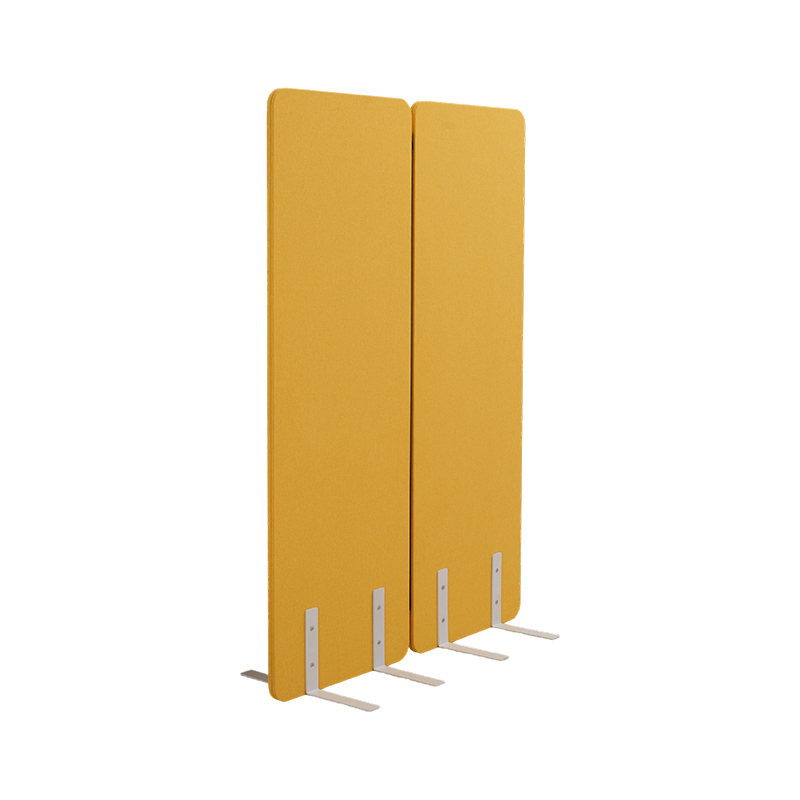
Soft-face Fabric Panels
Thick woven or non-woven fabric over a dense foam or mineral wool core. Excellent at absorbing mid-to-high frequency speech. NRC (Noise Reduction Coefficient) values of 0.65–0.90. Best for reducing echo and improving speech clarity in open areas.
Absorb + Block
Composite Barrier Screens
Fabric face bonded to a mass-loaded vinyl or dense fibreboard core. Combines absorption (NRC 0.55–0.75) with meaningful transmission loss (STC 20–28). The strongest all-round performer for workstation privacy in call centres and open-plan finance environments.
Block
Hard-face Acrylic or Glass Panels
Transparent panels that block line-of-sight and provide moderate sound blocking (STC 18–22) but absorb very little. Suited to reception areas and collaborative zones where visual openness matters more than acoustic performance.
"For speech privacy in a typical open office, a composite barrier screen at desk height (600–800 mm above the worksurface) reduces perceived loudness of neighbouring conversations by 8–12 dB — enough to shift the experience from 'clearly audible' to 'background murmur.'"
Based on acoustic performance data from ASTM E1123 speech privacy testing protocols.How Much Noise Do Acoustic Desk Screens Actually Reduce?
Noise reduction from desk screens is measured on two separate scales, and understanding both prevents buying the wrong product. NRC measures absorption; STC measures blocking. A screen with a high NRC but low STC absorbs sound well but lets direct transmission pass through almost unimpeded.
| Metric | What It Measures | Typical Range for Desk Screens | Perceived Effect |
| NRC 0.50 | Sound absorption | Entry-level fabric panel | Slight reduction in echo; limited speech intelligibility improvement |
| NRC 0.75–0.85 | Sound absorption | Quality foam-core or mineral wool panel | Noticeable reduction in reverberation; office feels quieter overall |
| NRC 0.90+ | Sound absorption | Premium thick-core panels | Strong echo control; significant improvement in speech clarity |
| STC 20–25 | Sound transmission blocking | Composite barrier screen | Neighbouring speech drops from clearly intelligible to partially masked |
| STC 25–30 | Sound transmission blocking | Heavy composite or double-layer screen | Neighbouring conversation audible but not intelligible — effective privacy |
10 dB reduction = perceived halving of loudness to the human ear
600 mm minimum screen height above desk surface for meaningful blocking
NRC 0.80 benchmark specification for open-plan office desk screens
Screen height is as important as acoustic rating. A screen that sits only 400 mm above the worksurface intercepts almost no direct sound path between seated colleagues. Screens of 600–800 mm above the work surface, combined with a ceiling height under 2.8 m, intercept the primary sound path and deliver the stated attenuation figures. Taller screens (900–1200 mm) provide close to full speech privacy but reduce visual connectivity — a trade-off that must be weighed against collaboration needs.
What Materials Improve Sound Absorption in Desk Screens?
Sound-absorbing performance is determined almost entirely by core material density and thickness. The facing fabric contributes to mid-high frequency absorption but has negligible effect on the low-frequency noise that carries furthest in open offices.
01
Recycled PET (Polyethylene Terephthalate) Fibre
Compressed recycled plastic fibre panels at 40–60 mm thickness achieve NRC values of 0.80–0.95. The most popular core material in contemporary acoustic desk screens — high performance, lightweight, and produced from post-consumer plastic bottles. No off-gassing; suitable for sensitive indoor environments.
02
Mineral Wool (Rockwool / Glasswool)
Dense inorganic fibre with excellent broadband absorption, particularly effective at lower frequencies (250–500 Hz) where human speech fundamentals sit. NRC 0.75–0.90 at 50 mm. Heavier than PET fibre; typically used in freestanding or high-specification fixed screens.
03
Open-Cell Acoustic Foam
Melamine foam or polyurethane foam achieves NRC 0.65–0.85 depending on cell structure and thickness. Performs best above 500 Hz (speech frequencies) but less effective at low frequencies. Lighter than mineral wool and easier to integrate into thin screen profiles.
04
Mass-Loaded Vinyl (MLV) Layer
Not an absorber — MLV is a thin, dense membrane added behind the absorptive core to increase mass and improve transmission loss (STC). Adding a 3–5 mm MLV layer to a fabric-faced foam panel can raise STC by 4–6 points without significant thickness increase.
How to Choose the Right Acoustic Desk Screens for Your Office
Choosing acoustic desk screens correctly requires matching four variables to your specific environment: noise source type, desk layout, required privacy level, and integration with existing furniture systems.
Step 1
Identify Your Noise Problem
Reverberation and echo in a hard-surfaced room calls for high-NRC absorptive panels. Direct speech noise between adjacent workstations requires STC-rated composite barrier screens. Many offices need both — absorptive panels on walls and barrier screens at desks.
Step 2
Specify Screen Height by Privacy Need
400–500 mm: visual separation only, minimal acoustic effect. 600–800 mm: recommended for standard open-plan workstations — intercepts primary speech path. 900–1200 mm: near-full speech privacy, suited to call centres, HR desks, or focus zones.
Step 3
Match Screen to Desk System
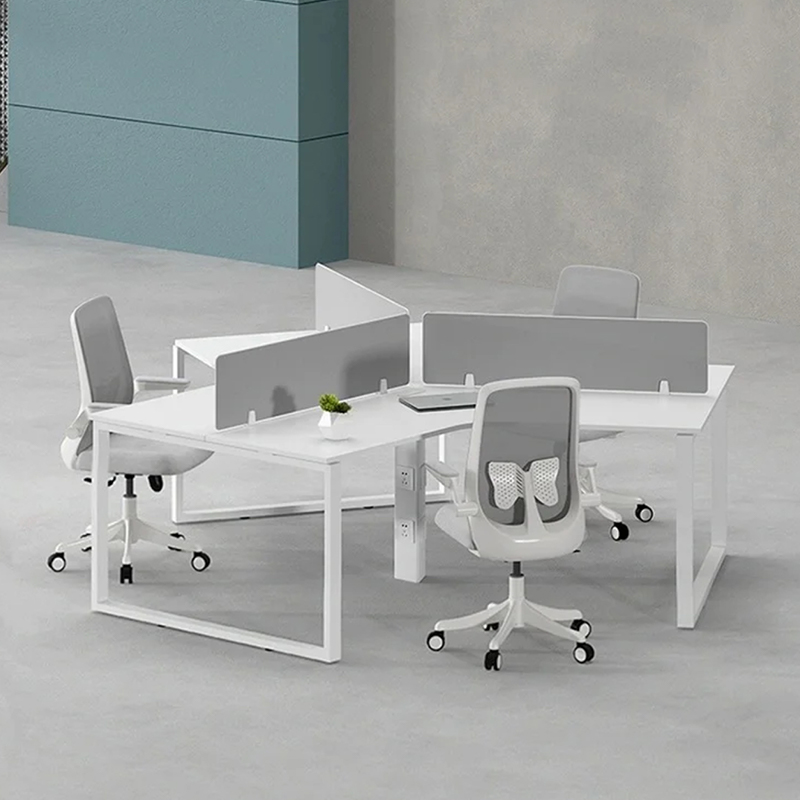
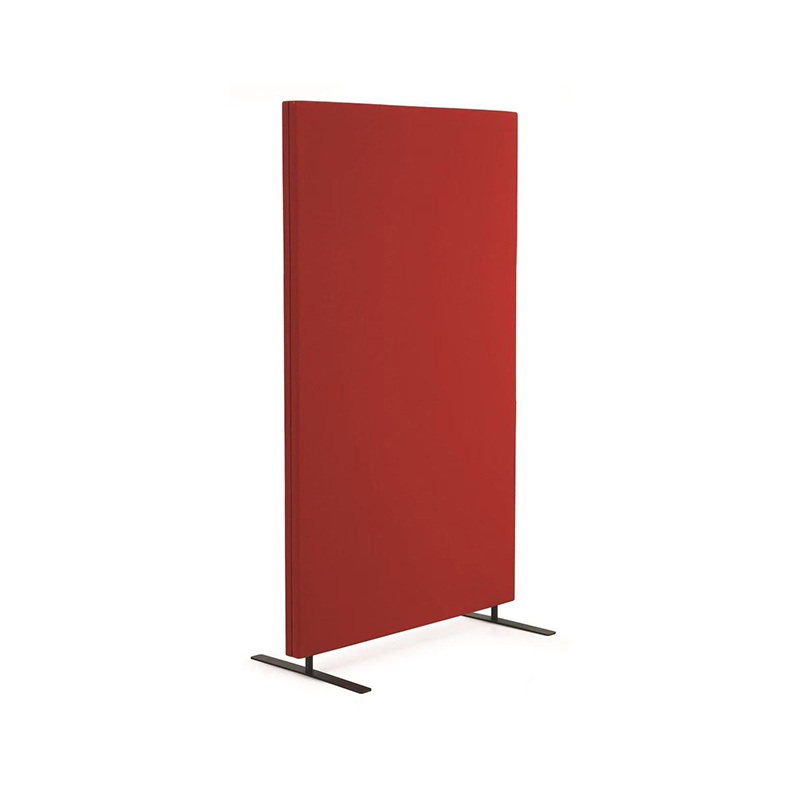
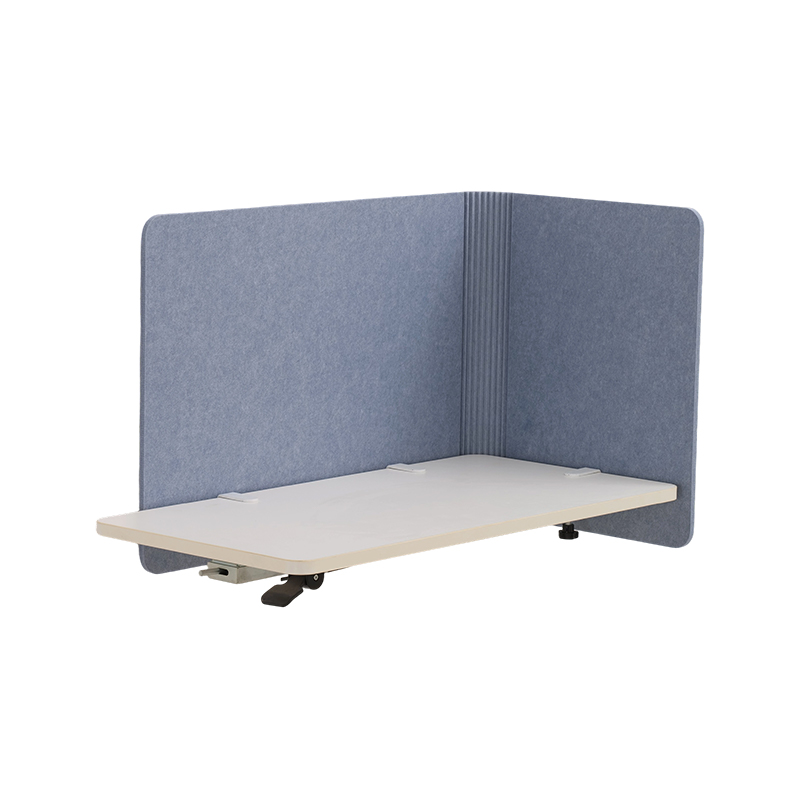
Desk-mounted screens clip or bolt directly to the worksurface edge — confirm compatibility with your desk brand's mounting rail. Freestanding screens are furniture-independent but require floor space. Hanging ceiling screens suit benching systems where desk-mounting is not possible.
Step 4
Check NRC and STC Certificates
Request third-party test certificates, not manufacturer estimates. NRC should be tested to ISO 354 or ASTM C423. STC to ASTM E90. Reputable suppliers publish full octave-band absorption coefficient data, not just the single NRC summary figure.
Bottom Line for Specifiers
For standard open-plan offices, specify a composite fabric-and-MVL desk screen at 650–750 mm above the worksurface, NRC 0.75 minimum, STC 22 minimum, with recycled PET or mineral wool core. This single specification addresses both the reverberation and direct transmission problems that account for over 90% of workplace noise complaints.


