


 English
 Español
 عربى
عربى
 中文简体
中文简体




+86-180 3665 1199
Content
- 1 What Are Plain Acoustic Panels and How Do They Work in Sound Absorption?
- 2 What Materials Are Commonly Used in Plain Acoustic Panels?
- 3 Where Are Plain Acoustic Panels Commonly Used?
- 4 What Performance Properties Should Plain Acoustic Panels Provide?
- 5 How Are Plain Acoustic Panels Installed in Interior Spaces?
- 6 How Do Plain Acoustic Panels Compare With Other Soundproofing Methods?
- 7 What Are the Limitations of Plain Acoustic Panels?
- 8 What Is the Future Trend of Plain Acoustic Panels in Architecture and Design?
- 9 Frequently Asked Questions
Rooms that echo, offices that hum with noise, and studios that sound harsh all share one fix that architects reach for first: plain acoustic panels. These panels are the quiet workhorse of interior sound design, absorbing excess reflections so speech stays clear and background noise stops piling up. This guide walks through what they are made of, where they perform best, and how they stack up against other soundproofing approaches.
What Are Plain Acoustic Panels and How Do They Work in Sound Absorption?
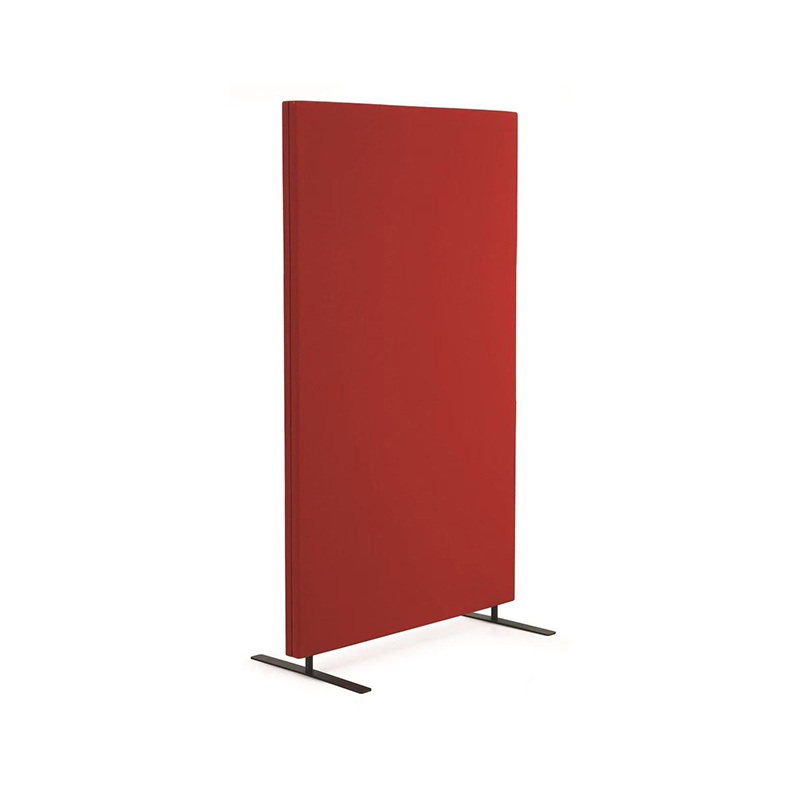
A plain acoustic panel is a rigid or semi-rigid board built from sound-absorbing fiber, faced with fabric or left in its raw finished state, and mounted to a wall or ceiling to reduce reflected sound. Unlike decorative wall art, its core purpose is acoustic performance rather than appearance alone.
Sound absorbing wall panels work by trapping sound waves inside a porous internal structure. As a wave enters the panel, friction inside the fiber network converts acoustic energy into a small amount of heat instead of letting it bounce back into the room. This is the basic principle of sound absorption in acoustic panels, and it is why a treated room sounds noticeably calmer than an untreated one with hard, parallel walls.
The structure of an acoustic treatment panel usually has three parts: a core absorption layer, an optional facing material, and a mounting backing. What plain acoustic panels are used for varies by room, but the underlying job stays the same — reducing reverberation time so speech and audio remain intelligible. As a noise reduction wall material, they are most effective against mid and high frequency sound, which covers the majority of everyday speech, footsteps, and office chatter that make interior sound control panels worth installing in the first place.
What Materials Are Commonly Used in Plain Acoustic Panels?
Material choice determines weight, fire behavior, and how a panel feels to the touch, which is why manufacturers offer several distinct cores rather than a single standard option.
| Material | Typical Feel | Common Use Case |
| Polyester fiber acoustic panel (PET) | Firm, fabric-like, recyclable | Offices, schools, retail interiors |
| Fiberglass acoustic panel | Lightweight, dense fiber mat | Studios, cinemas, performance spaces |
| Fabric wrapped acoustic board | Soft-faced, decorative | Meeting rooms, hospitality interiors |
| Foam sound absorption panel | Cellular, very lightweight | Home studios, vocal booths |
A PET acoustic panel material is typically made from recycled polyester fibers pressed into a dense board, giving it a firmer feel than foam along with better durability under daily contact. A fiberglass acoustic panel, by comparison, uses fine glass fiber matting that offers strong absorption per unit of thickness but usually needs a fabric or perforated facing for a clean finish. Foam remains popular for budget-driven or small-format installations, though it tends to compress and degrade faster than fiber-based boards. When comparing PET vs fiberglass acoustic panels, the decision usually comes down to touch, handling safety during installation, and whether the space is residential, commercial, or performance-focused.
Where Are Plain Acoustic Panels Commonly Used?
Because reflected noise is a problem in almost every enclosed space, plain acoustic panels show up across a wide range of building types rather than one narrow niche.
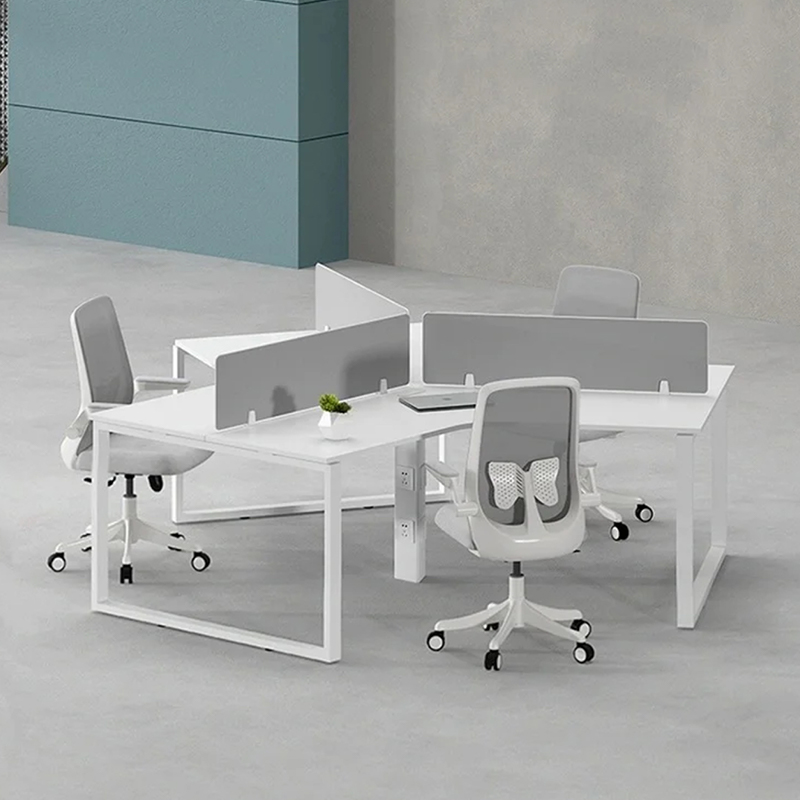
- Office acoustic treatment panels — open-plan layouts rely on wall and ceiling panels to cut down speech carry between desks.
- Home theater sound panels — panels tame flutter echo so dialogue and surround effects stay distinct.
- Recording studio wall panels — control rooms and vocal booths use dense panels to shape a controlled, accurate listening environment.
- Classroom noise reduction panels — improve speech clarity for students seated away from the teacher.
- Commercial space acoustic design — restaurants, gyms, and lobbies use panels to soften hard, noise-amplifying surfaces.
Acoustic panels for office noise reduction are usually placed at ear height on partition walls, while sound panels for home studio setup often go directly behind the monitoring position and at first-reflection points on side walls. Where acoustic wall panels are used in a building depends largely on where sound reflects the most: corners, parallel hard walls, and ceilings above open floor areas.
What Performance Properties Should Plain Acoustic Panels Provide?
Choosing a panel on looks alone overlooks the properties that actually determine whether a room will sound better after installation.
Absorption
Rated by sound absorption coefficient and noise reduction coefficient (NRC), showing how much sound energy a panel absorbs versus reflects across frequency bands.
Fire Safety
Fire resistant acoustic material is essential in commercial and public buildings, where panels must meet local fire classification standards.
Sustainability
An eco friendly acoustic panel is often made from recycled fiber content and remains recyclable at end of life.
Weight
A lightweight wall panel system simplifies mounting and reduces structural load on walls and suspended ceilings.
How effective acoustic panels are at reducing noise depends heavily on thickness, density, and coverage area rather than any single number on a spec sheet. What the NRC rating means in acoustic panels is simply a scale from 0 to 1 showing the proportion of sound absorbed rather than reflected, with higher values indicating stronger absorption. Among the best sound absorption materials for interiors, thicker, denser cores generally outperform thin decorative boards, particularly at lower speech frequencies.
How Are Plain Acoustic Panels Installed in Interior Spaces?
Installation method affects both acoustic performance and how easily panels can be repositioned later, so it is worth planning before mounting begins.
- Survey reflection points — identify hard, parallel surfaces and ceiling areas above noisy zones before ordering panels.
- Choose a mounting system — wall mounted acoustic panels typically use Z-clips or adhesive mounting acoustic boards, while ceiling acoustic panel installation often relies on suspended acoustic ceiling panels with a track grid.
- Plan for modularity — a modular acoustic system installation allows panels to be added, removed, or rearranged as room use changes.
- Mount and align — panels are leveled and secured, keeping consistent spacing for both acoustic evenness and visual balance.
- Verify coverage — walk the room and confirm the loudest reflection points are adequately covered.
How to install acoustic panels on walls generally starts with the first-reflection points nearest the primary listening or working position. Ceiling versus wall acoustic panel installation differences mainly come down to access and structural support — ceilings need a secure grid or clip system, while walls allow more direct adhesive or clip mounting. The best placement for sound absorption panels is rarely the whole room; targeted coverage at reflection points is usually enough to make a measurable difference.
How Do Plain Acoustic Panels Compare With Other Soundproofing Methods?
Acoustic panels and soundproofing solve two different problems, and mixing them up leads to disappointing results.
Absorption
Plain Acoustic Panels
Reduce echo and reverberation inside a room. Improve clarity and comfort without stopping sound from crossing walls or floors.
Lightweight, easy to install, and reversible — ideal for interior sound treatment.
Blocking
Soundproof Insulation & Drywall
Add mass and decoupling to stop sound from traveling between rooms or to the outside.
Denser, often structural, and harder to modify once installed.
When weighing acoustic panels vs soundproof insulation, remember they are not interchangeable: a soundproof drywall comparison shows drywall systems adding mass to block transmission, while panels only manage what is already inside the room. A noise barrier vs absorption panels discussion follows the same logic — barriers block, panels absorb. Acoustic foam vs fiberglass panels is a narrower comparison within absorption itself, based on density and finish rather than blocking capability. For most interior sound treatment solutions, panels and structural soundproofing work best as complementary layers, not substitutes for one another.
What Are the Limitations of Plain Acoustic Panels?
Acoustic panels absorb reflected sound within a room — they do not stop noise from entering or leaving through walls, doors, or windows. Setting the right expectation before installation avoids disappointment later.
A well-known low frequency sound limitation affects most fiber and foam panels: thin boards absorb speech-range frequencies well but struggle with deep bass or heavy mechanical noise, which needs thicker or resonance-based treatment instead. Because of this, panels are best understood as a partial noise reduction solution rather than a complete fix for every noise complaint.
Installation coverage limitation is another practical constraint — under-covering a room leaves noticeable untreated reflection points, while over-ordering wastes budget on diminishing returns. Material aging in acoustic panels can also reduce performance over time, particularly with UV exposure or repeated handling. Moisture sensitivity in panel material is worth checking before installing in bathrooms, kitchens, or humid climates, since some fiber cores can absorb moisture and lose shape. Disadvantages of acoustic wall panels are rarely dealbreakers, but they do explain why acoustic panels don't stop all noise and shouldn't replace proper structural soundproofing where transmission, not reflection, is the real problem.
What Is the Future Trend of Plain Acoustic Panels in Architecture and Design?
Acoustic panels are shifting from purely functional add-ons to a recognized part of architectural design language, rather than something bolted on after a room is finished.
Key Takeaways
- Sustainable acoustic materials made from recycled fiber content are becoming a baseline expectation, not a premium add-on.
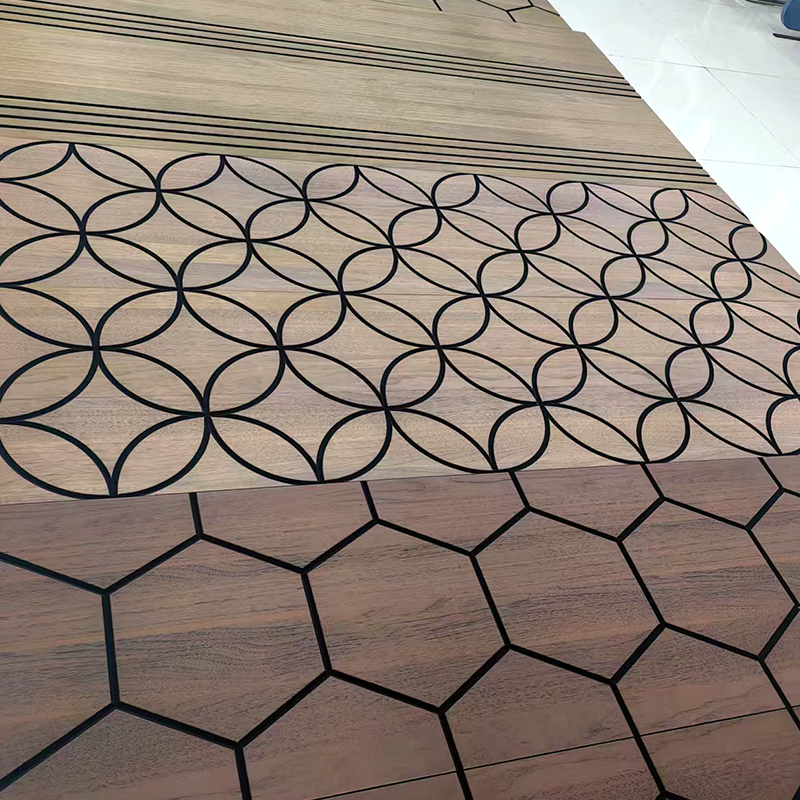
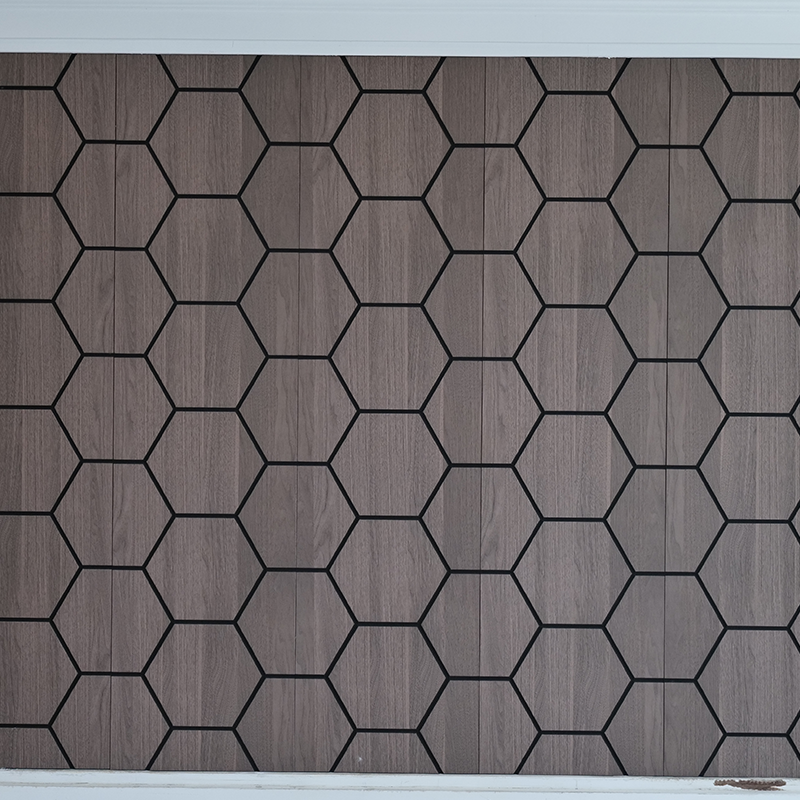
- Decorative acoustic wall systems now blend pattern, color, and texture directly into a building's interior identity.
- Smart building acoustics increasingly pair panel placement with room-use data to target treatment more precisely.
- Eco friendly interior design materials are pushing manufacturers toward lower-impact production methods.
- Modular acoustic architecture allows treatment to be reconfigured as a space's function changes over time.
The future of acoustic panels in modern architecture points toward closer integration with lighting, ceiling systems, and furniture rather than standalone wall additions. Trends in eco friendly sound absorbing materials suggest continued growth in recycled fiber cores, while decorative acoustic panel design trends indicate panels will keep taking on a more visible, intentional role in interior design rather than staying hidden behind fabric.
 |
 |
Frequently Asked Questions
Q
What are plain acoustic panels?
Sound-absorbing boards mounted on walls or ceilings to reduce echo and improve interior sound quality.
Q
Do acoustic panels really work?
Yes, for reducing reflected sound and reverberation inside a room, though they don't block sound transmission between rooms.
Q
Where should acoustic panels be placed?
At first-reflection points on walls and ceilings above the main listening, working, or speaking area.
Q
Are acoustic panels fire resistant?
Many are rated to meet fire safety standards, but ratings vary by material and manufacturer, so checking specifications matters.
Q
What is NRC in acoustic panels?
The noise reduction coefficient, a 0 to 1 scale showing how much sound energy a panel absorbs.
Q
Can acoustic panels be used in homes?
Yes, they are common in home theaters, home studios, and living spaces where echo or noise carry is a problem.


