


 English
 Español
 عربى
عربى
 中文简体
中文简体




+86-180 3665 1199
Content
- 1 What Are Sound Absorbing Panels Called? Industry Nomenclature
- 2 What Are Sound Absorbing Panels Made Of? Material Science Core Elements
- 3 What Type of Sound Absorbing Panels Are Best? Performance Metrics
- 4 How to Strategically Position Panels for Maximum Noise Reduction
- 5 Acoustic Engineering Frequently Asked Questions
Technical Verdict
Professional sound absorbing panels are specialized architectural acoustic treatments designed to capture, dampen, and eliminate unwanted acoustic reflections within an enclosed space. Often referred to by industry specialists as acoustic panels, sound absorption boards, or acoustic baffles, these structures minimize vocal reverberation, echo, and flutter noise by converting airborne acoustic energy into trace kinetic heat energy. While residential environments frequently utilize lightweight open-cell acoustic foams, industrial facilities, recording studios, and commercial offices rely on high-density fiberglass or rock wool cores to achieve broad-spectrum noise reduction and proper acoustic balance.
What Are Sound Absorbing Panels Called? Industry Nomenclature
In commercial architecture and acoustic engineering fields, these products are known by several distinct names depending on their structural placement, exterior finishing material, and specific mechanical functions. Understanding the correct terminology prevents deployment errors during project procurement.
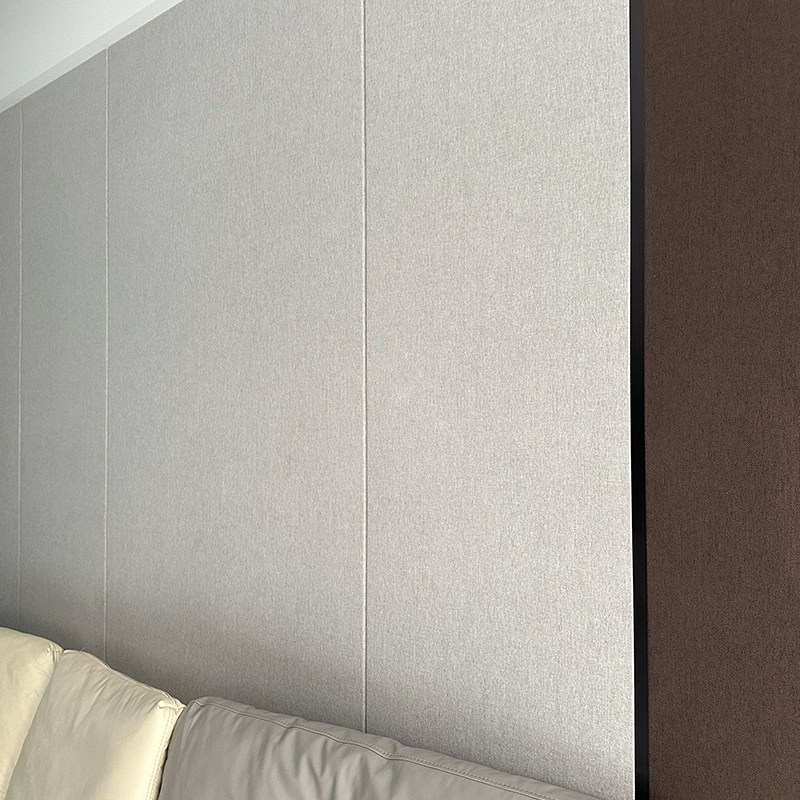
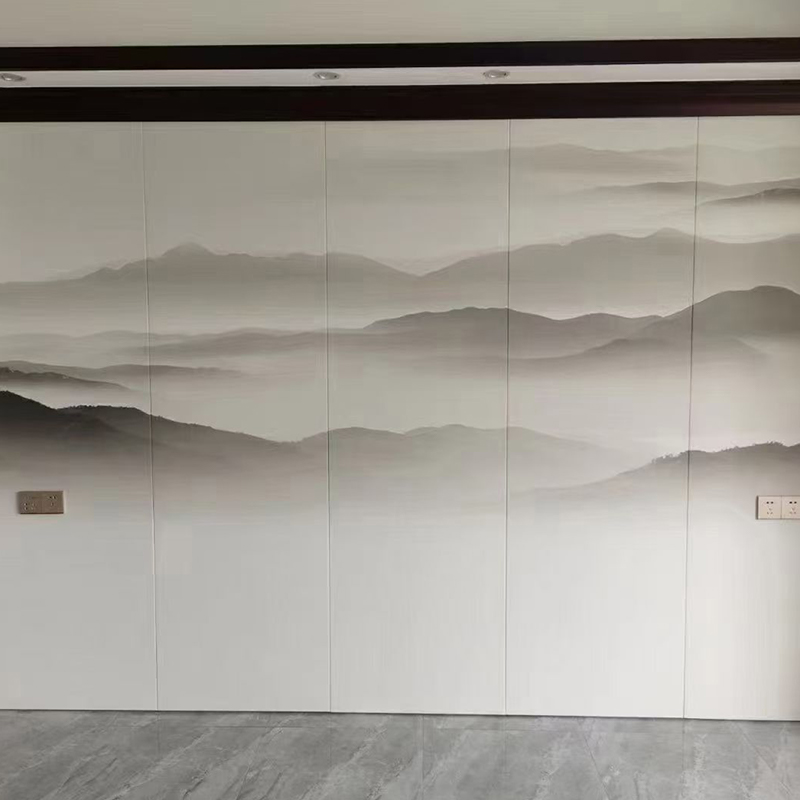
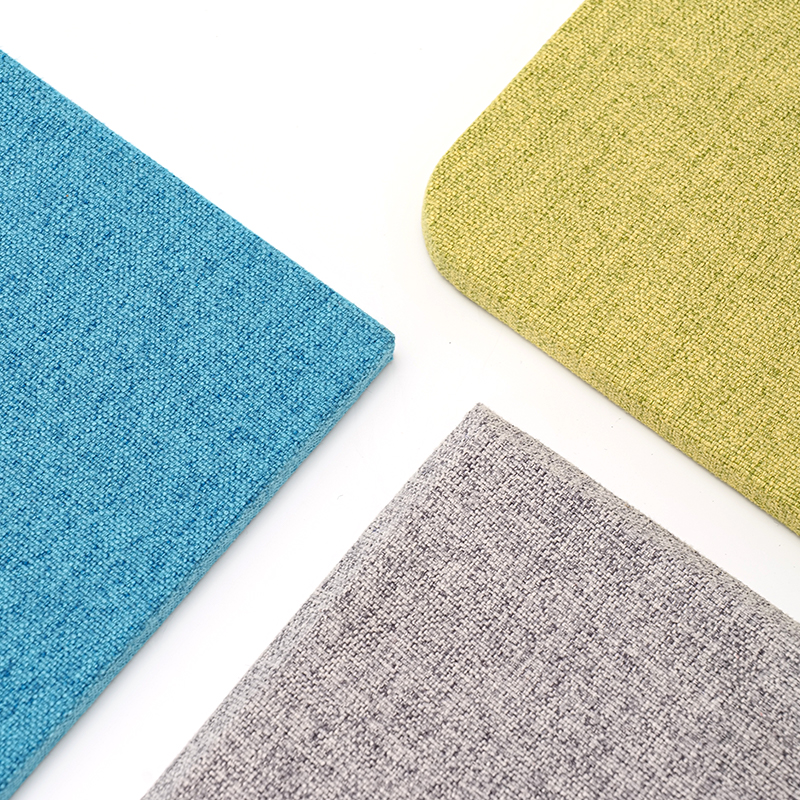
- Acoustic Wall Panels: Fabric-wrapped modular boards mounted flat against wall surfaces to eliminate parallel room reflections.
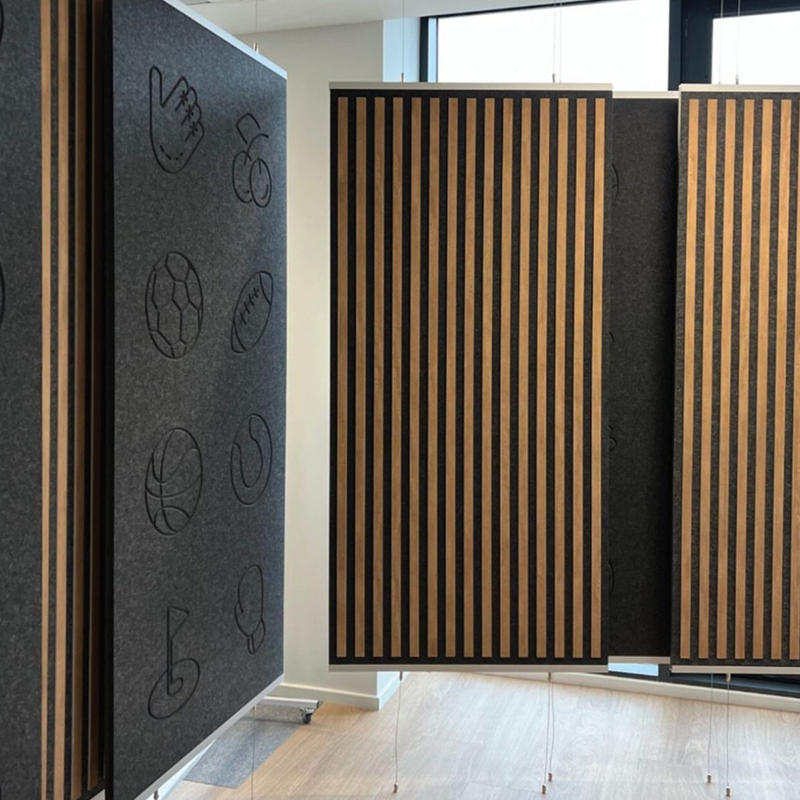
- Acoustic Baffles: Vertically suspended overhead panels engineered to capture sound waves along both face surfaces in high-ceiling structures.
- Acoustic Clouds: Horizontally suspended ceiling ceiling features that improve acoustic absorption while maintaining open access to mechanical infrastructure.
- Bass Traps: Extra-thick, triangular profile absorbing cores installed in corner intersections to manage low-frequency structural standing waves.
What Are Sound Absorbing Panels Made Of? Material Science Core Elements
The internal composition of an acoustic panel determines its Noise Reduction Coefficient (NRC), which measures acoustic efficiency on a scale from 0.0 (perfect reflection) to 1.0 (perfect absorption). The core substrate material must possess interconnected porous open pathways that force sound waves to encounter mechanical friction.
Fiberglass and Rigid Rock Wool Cores
Industrial grade panels utilize spun resin-bonded mineral wool or high-density fiberglass fibers (typically rated at 48 to 96 kilograms per cubic meter). These materials feature a dense matrix of microscopic fibers that degrade sound waves through frictional resistance. Fiberglass and rock wool cores provide excellent sound dampening capabilities across mid and low frequencies, and they carry inherent Class A fire ratings under ASTM E84 safety standards.
Polyester (PET) Felt Foundations
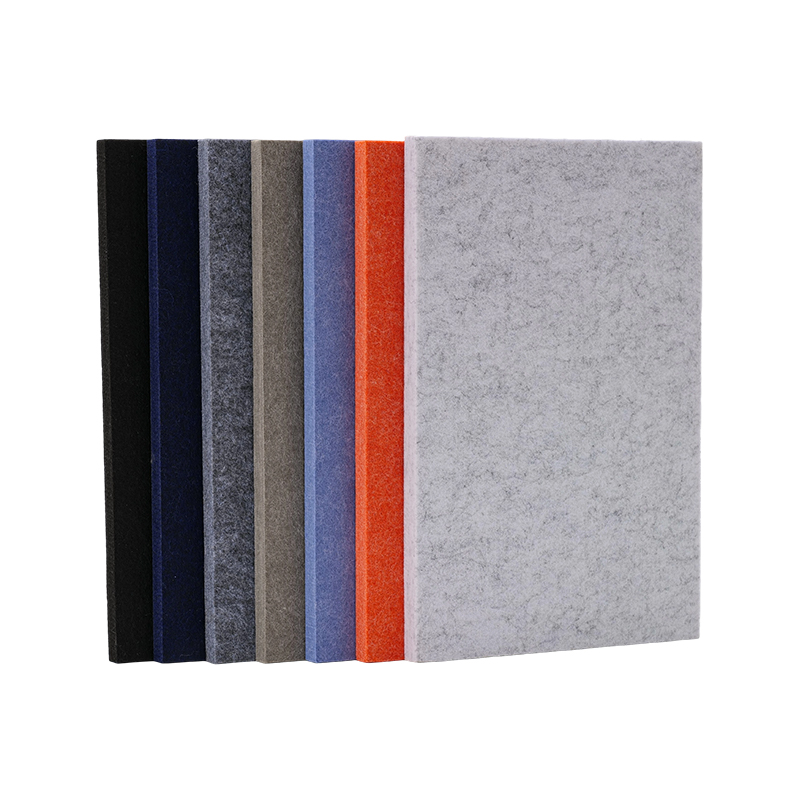
Manufactured using recycled polyethylene terephthalate plastic bottles, PET acoustic felt represents a highly durable, sustainable material advancement. The compressed synthetic fibers create a structural, impact-resistant board that requires no internal framing or external fabric wrapping. PET felt is non-toxic, moisture-resistant, and ideal for exposed public areas such as school corridors and open corporate offices.
Polyurethane Acoustic Foams
Acoustic foam is a lightweight, budget-friendly option with distinct convoluted geometric shapes like wedges or pyramids. While easy to cut and stick to walls, open-cell polyurethane lacks the density to absorb low-frequency sound energy effectively. It is mostly used to control higher frequencies and flutter echoes in small home project spaces.
What Type of Sound Absorbing Panels Are Best? Performance Metrics
The ideal acoustic panel configuration depends on the target frequency range of the room's noise issues. High-frequency problems like vocal flutter require different solutions than low-frequency rumble from mechanical equipment or subwoofers.
| Core Material Type | Average NRC (2-Inch Thickness) | Target Frequencies | Best Architectural Use Case |
|---|---|---|---|
| Resin-Bonded Fiberglass | 0.95 to 1.05 | Broadband (125Hz to 4000Hz) | Recording studios, broadcast booths, music rooms. |
| Rigid Mineral Rock Wool | 0.90 to 1.00 | Low-Mid Range (250Hz to 2000Hz) | Industrial mechanical rooms, engine enclosures. |
| Compressed PET Felt | 0.70 to 0.85 | High-Mid Range (500Hz to 4000Hz) | Open offices, school classrooms, restaurants. |
| Open-Cell Polyurethane | 0.45 to 0.65 | High Range Only (1000Hz+) | Temporary vocal booths, small streaming setups. |
Table 1: Structural performance and efficiency index of primary acoustic materials.
Thickness Engineering Rule: Panel thickness directly dictates the lowest frequency the panel can effectively absorb. A 1-inch thick acoustic panel can absorb typical speech frequencies above 500Hz, whereas a 4-inch deep broadband panel is required to capture frequencies down to 125Hz.
How to Strategically Position Panels for Maximum Noise Reduction
Buying premium panels will not solve echo problems if they are installed in the wrong locations. Proper acoustic treatment requires targeting primary reflection points where sound waves bounce off hard surfaces first.
Phase One
Identify First Reflection Points
Locate the exact wall and ceiling zones midway between the main sound source and the primary listening position. Placing panels at these key mirror points captures the sound waves immediately after they leave the source, preventing early reflections from muddying the room's clarity.
Phase Two
Stagger Panels Across Parallel Walls
Avoid mounting panels directly opposite each other on facing walls. Staggering the layouts breaks up flutter echo more efficiently across the entire room volume, achieving balanced sound dampening while using up to 30 percent fewer total panels.
Phase Three
Create an Air Gap Behind the Core
When mounting rigid fiberglass or PET panels, use offset spacers to create a 25mm to 50mm air gap between the back of the panel and the wall. This air space allows sound waves to pass through the core, bounce off the wall, and pass through the panel a second time, significantly boosting low-frequency performance.
Acoustic Engineering Frequently Asked Questions
What is the difference between sound absorbing panels and soundproofing materials?
This is a fundamental distinction in acoustics. Sound absorbing panels are designed to improve the acoustic quality *inside* a room by capturing internal echoes and reverberation. They will not stop sound from escaping the room. Soundproofing, or sound isolation, requires dense, heavy, and airtight structural materials (like mass-loaded vinyl or double-layer drywall) built into the walls to block sound transmission between different rooms.
Are fabric-wrapped acoustic panels safe for indoor air quality?
Yes, provided they are manufactured using modern biosoluble glass fibers and wrapped in acoustically breathable, commercial-grade fabrics. High-quality panels wrap fiberglass cores in an explicit internal scrim or bonding layer to lock in loose particulate matter, ensuring long-term compliance with indoor air safety standards.
How much total wall area needs to be covered with panels to notice a difference?
For standard corporate offices, conference rooms, and classrooms, covering 15 to 25 percent of the total wall surface area is typically sufficient to control vocal echoes. Specialized environments like recording studios or music production facilities require much higher coverage, often ranging from 35 to 50 percent surface area density.


