


 English
 Español
 عربى
عربى
 中文简体
中文简体





+86-180 3665 1199
Content
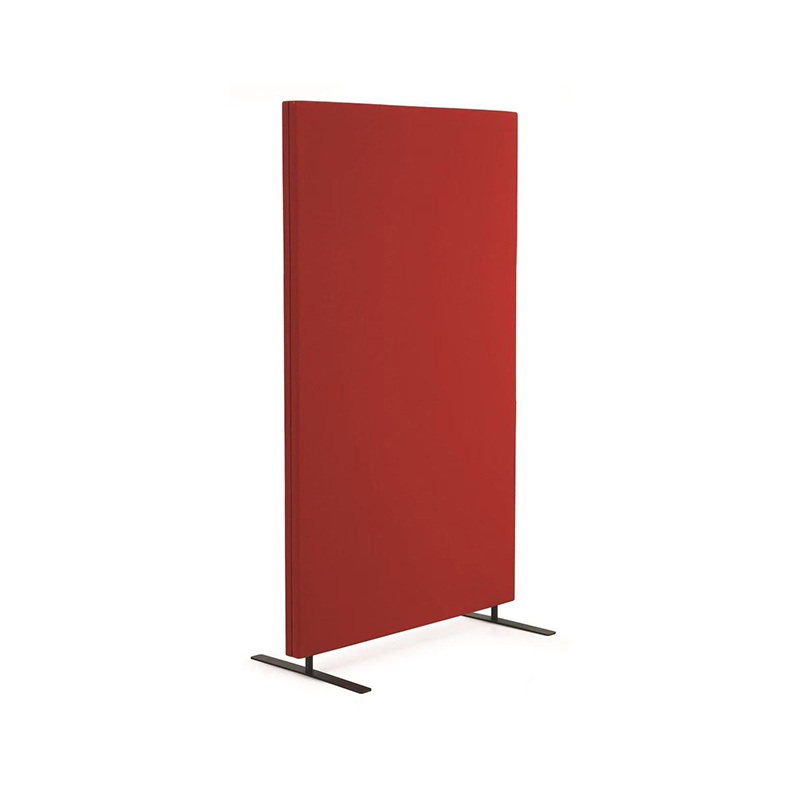
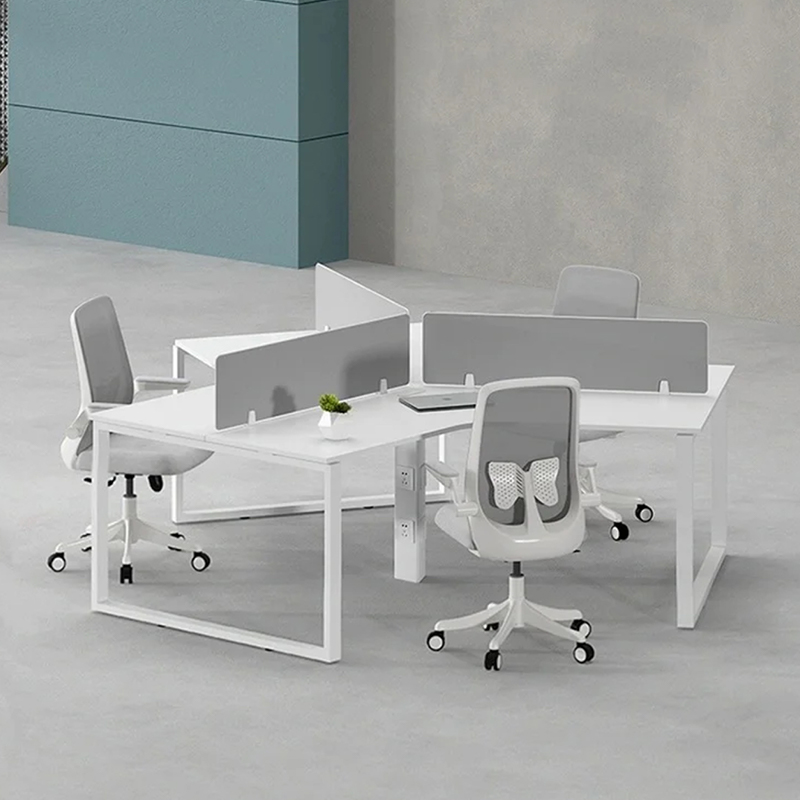
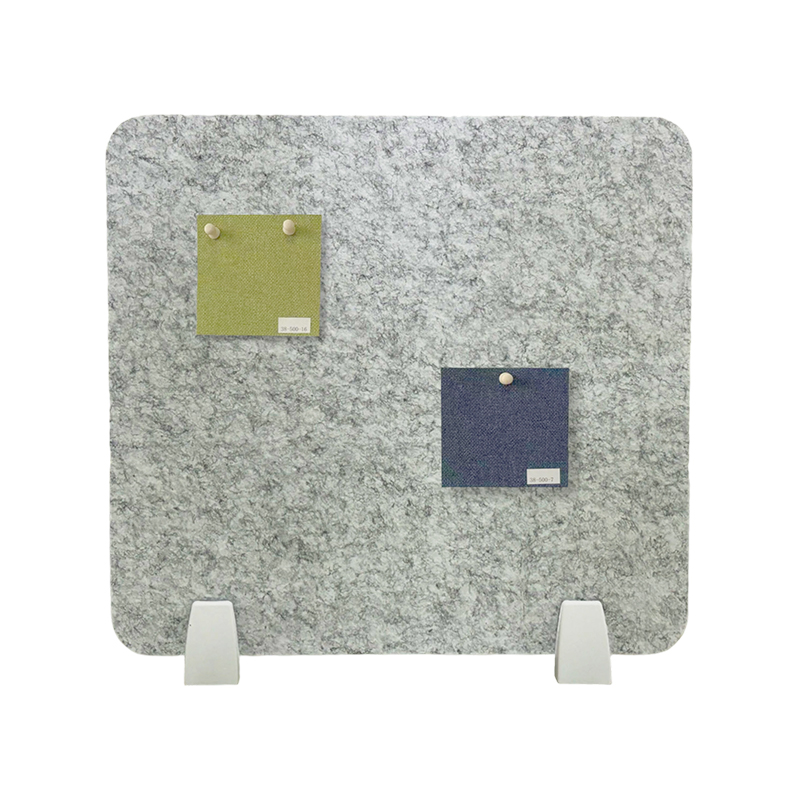
Yayin New Materials Jiangsu Co., Ltd., headquartered in Lianyungang with extensive branch factories in Huzhou and Nanchang, operates over 30,000 square meters of specialized production space. We focus on the R&D and manufacturing of carbon-neutral polyester fiber antibacterial sound-absorbing materials. By utilizing needle-punched non-woven technology, we convert recyclable polyester into high-performance Acoustic Office Partitions that integrate sound absorption, flame retardancy, and thermal insulation. Our facilities are certified under ISO9001 and ISO14001, ensuring that every batch meets rigid international standards for commercial building safety and environmental sustainability. For modern LEED and BREEAM certified projects, the technical verification of material composition is a mechanical necessity to ensure occupant safety and indoor air quality.
Flame Retardant Classification and Fire Safety Standards
The primary concern for interior dividers is the Class A fire rating for office partitions. To ensure acoustic office partitions meet ASTM E84 standards, the material must demonstrate a Flame Spread Index (FSI) of 0-25 and a Smoke Developed Index (SDI) of 0-450. What is the fire rating of polyester acoustic panels? At Yayin, our panels achieve the A level of the US standard ASTM E84, the B level of the EU standard EN13501-1, and the A level of the EU standard UL723-2018. Why fire-rated office dividers are essential in commercial buildings relates to the prevention of rapid flashover in open-plan environments. Unlike traditional fabric-wrapped foam, our needle-punched polyester does not melt into flammable droplets, providing a critical safety margin during emergency egress.
Acoustic Attenuation and Noise Reduction Coefficient (NRC) Dynamics
Effective Acoustic Office Partitions must balance sound absorption with structural rigidity. The NRC of polyester fiber acoustic panels produced by Yayin reaches 0.85, meaning 85 percent of incident sound energy is absorbed rather than reflected. How to improve office acoustics with partitions involves analyzing the porosity and density of the fiber matrix; our needle-punching process creates a complex network of air pockets that dissipate sound waves through thermal friction. What is a good NRC for office dividers? For speech privacy and concentration, an NRC of 0.80 or higher is required. By implementing sound-absorbing office dividers for noise reduction, facility managers can significantly decrease the reverberation time (RT60) of a room, enhancing the acoustic comfort for workstations and meeting zones.
Formaldehyde Emission and Eco-Friendly Material Certification
Indoor air quality (IAQ) is heavily influenced by the outgassing of volatile organic compounds (VOCs). What is the formaldehyde emission of acoustic partitions? Yayin products reach the E0 level of the national standard, representing the highest tier of indoor safety. Our eco-friendly acoustic partitions for green buildings are manufactured using carbon-neutral polyester fibers without the use of chemical binders or formaldehyde-based resins. Why choose recyclable acoustic office materials? Using 100 percent polyester allows the partitions to be fully recycled at the end of their service life, supporting circular economy initiatives. These Formaldehyde-free office partitions for IAQ ensure that the workspace remains free from toxic off-gassing, even in high-temperature or poorly ventilated interior areas.
| Engineering Parameter | Standard Requirement | Yayin Technical Specification |
| Fire Rating (US Standard) | ASTM E84 Class A | FSI 0-25 / SDI 0-450 (Class A) |
| Fire Rating (EU Standard) | EN13501-1 | B-s1, d0 (Flame Retardant) |
| Noise Reduction Coefficient (NRC) | > 0.60 | 0.85 (High Absorption) |
| Formaldehyde Emission | E1 (≤ 0.124 mg/m3) | E0 (≤ 0.050 mg/m3) |
| Material Composition | Fiberglass/Mineral Wool | 100% Recyclable Polyester Fiber |
Mechanical Durability and Antibacterial Surface Treatments
Commercial Acoustic Office Partitions must withstand physical wear in high-traffic zones. Our antibacterial sound-absorbing materials for offices are engineered to inhibit the growth of common microbes, which is a critical feature for shared workstations. How to maintain polyester acoustic partitions involves simple vacuuming or steam cleaning, as the fiber is resistant to moisture and does not support mold growth. The tensile strength of needle-punched acoustic panels ensures they remain dimensionally stable without sagging over time. By combining decorative office acoustic solutions with professional-grade engineering, Yayin provides a versatile material that fulfills both aesthetic and functional requirements, supporting the development of healthy, safe, and acoustically optimized commercial environments.
Industrial Hardcore FAQ
Q1: Does the "A level" fire rating mean the material is completely non-combustible?
A1: ASTM E84 Class A indicates the highest level of fire resistance for combustible materials, meaning it has the lowest flame spread and smoke development. It is not "non-combustible" (like stone), but it is the safest category for interior finishes.
Q2: How does the thickness of the partition affect the NRC?
A2: Generally, increasing the thickness improves low-frequency sound absorption. Our 9mm to 12mm panels are optimized for mid-to-high frequency speech noise, which is the primary concern in office environments.
Q3: Can these partitions be used in a "Clean Room" environment?
A3: Because we use needle-punched non-woven technology rather than glass fibers, there is no risk of fiber shedding, making them suitable for many cleanroom and healthcare applications where IAQ is critical.
Q4: Is the colorant used in the polyester fiber eco-friendly?
A4: Yes. We use solution-dyed fibers where the color is integrated into the polymer melt. This eliminates the need for liquid dyeing processes, reduces water waste, and ensures the color will not fade or off-gas.
Q5: What is the benefit of "needle-punched" vs "chemical bonding"?
A5: Needle-punching is a mechanical entanglement process. It creates a stronger, more breathable structure without the use of chemical glues, which is why we can achieve E0 formaldehyde emission levels.
Technical References
- ASTM E84: Standard Test Method for Surface Burning Characteristics of Building Materials.
- EN 13501-1: Fire classification of construction products and building elements.
- ISO 14001: Environmental management systems — Requirements with guidance for use.


