


 English
 Español
 عربى
عربى
 中文简体
中文简体




+86-180 3665 1199
Content
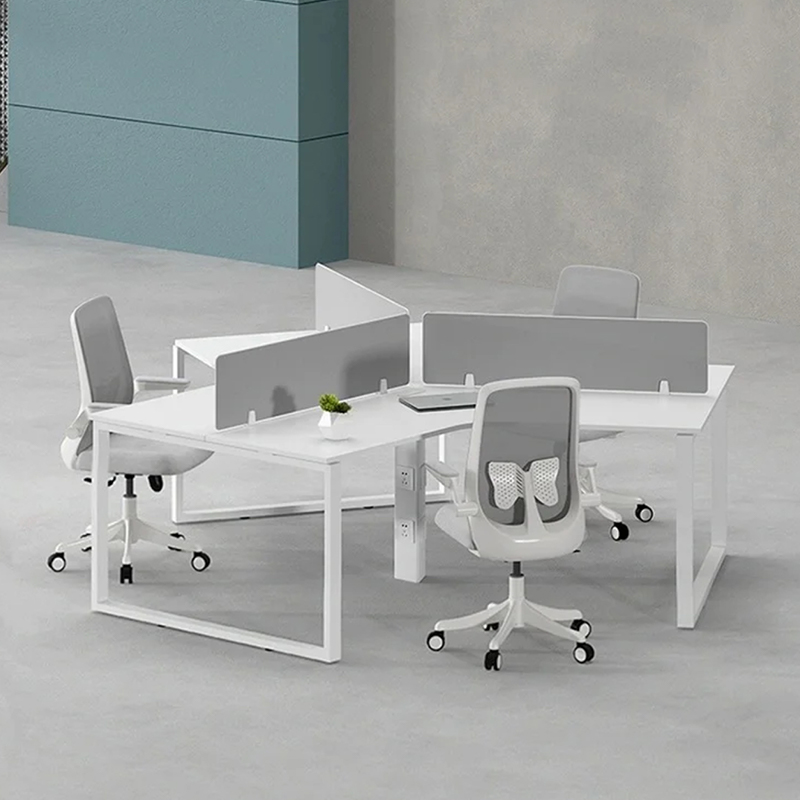
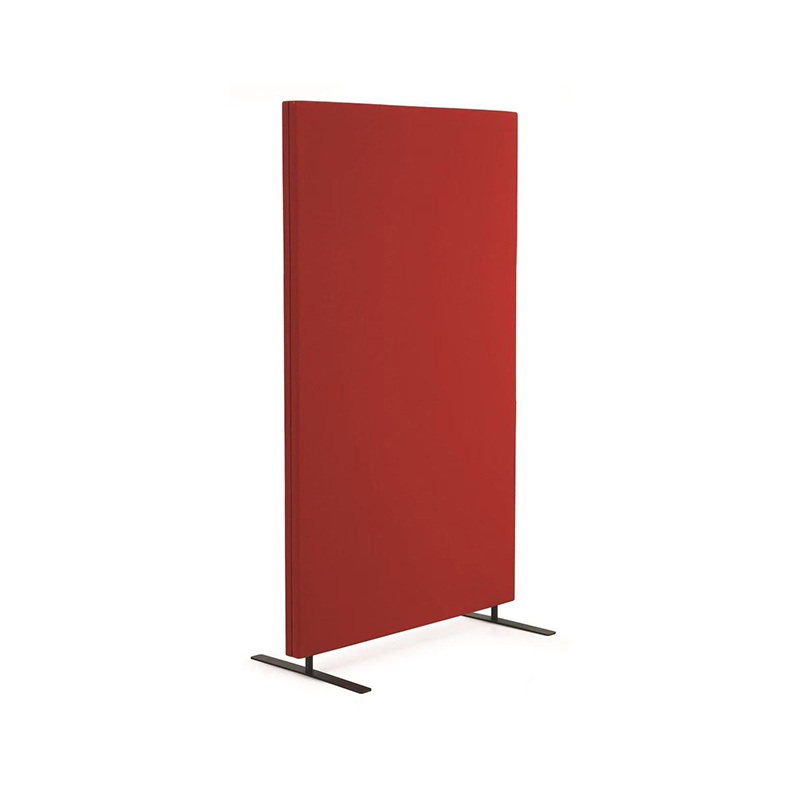
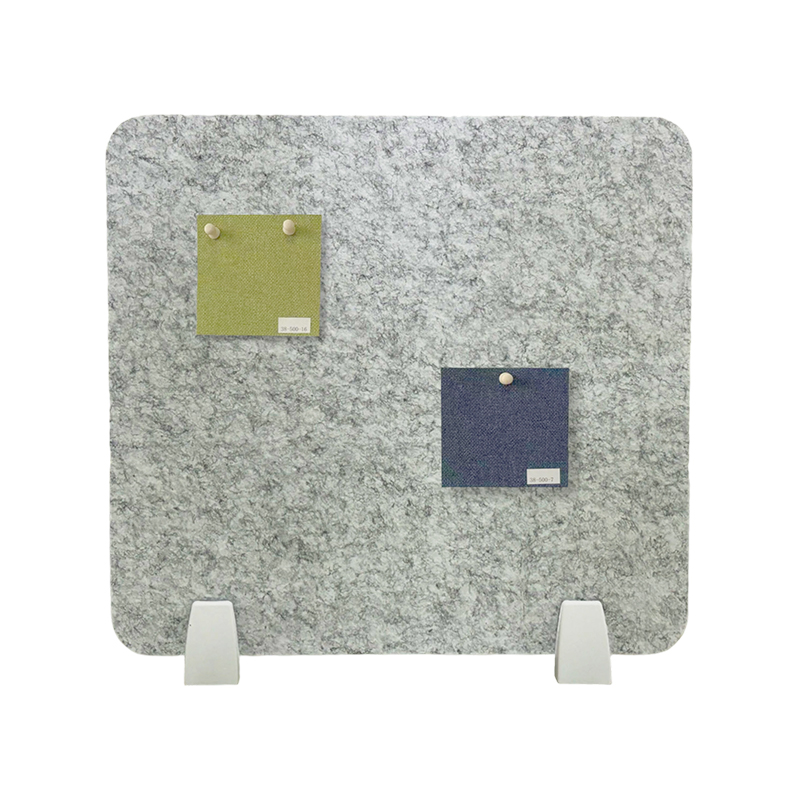
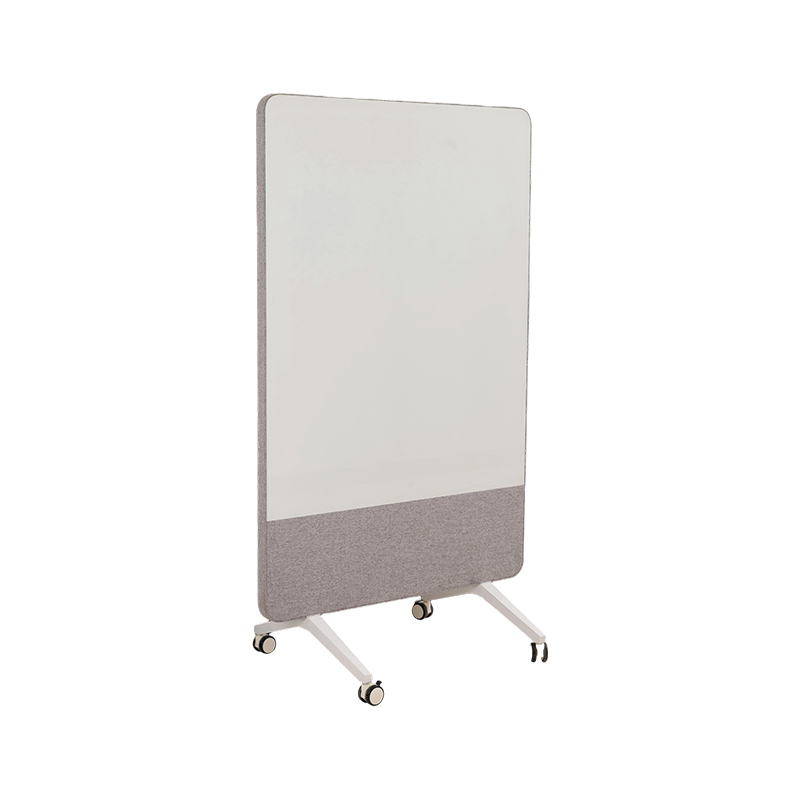
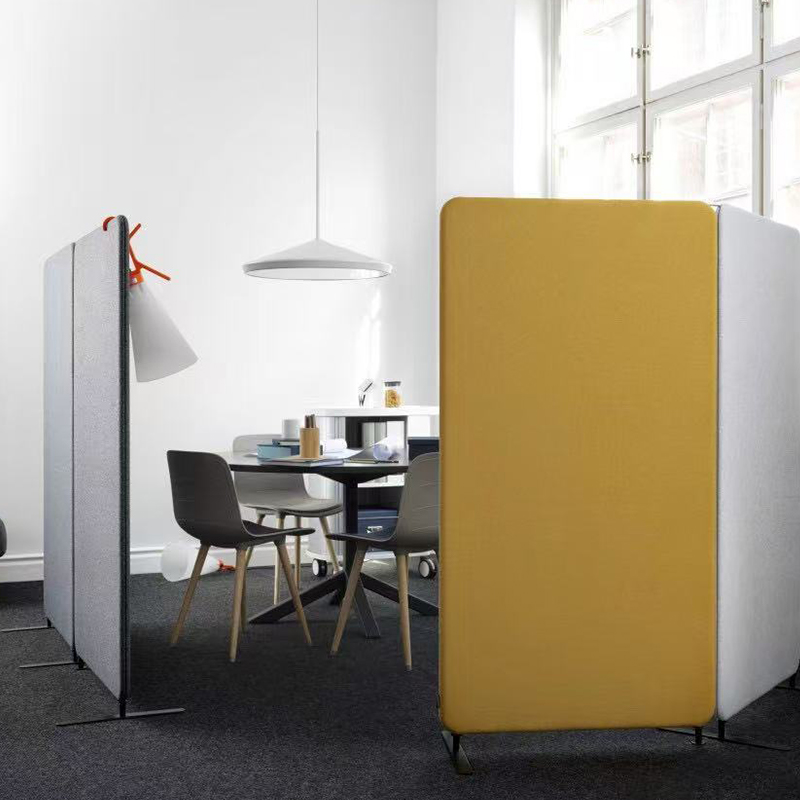
In the modern workspace, the open-plan layout has become a double-edged sword. While it fosters collaboration, it simultaneously creates an environment ripe with acoustic "noise pollution," primarily in the form of speech distractions. To combat this, specifying the correct Acoustic Office Partitions is essential. Engineering a productive environment requires more than just physical barriers; it requires materials with high absorption coefficients. Yayin New Materials Jiangsu Co., Ltd., a leader in the research and development of antibacterial sound-absorbing materials, specializes in carbon neutral acoustic office solutions. With over 30,000 square meters of production capacity across Jiangsu, Zhejiang, and Jiangxi, Yayin utilizes needle-punched non-woven technology to transform recyclable polyester into high-performance panels that are flame-retardant, heat-insulating, and aesthetically decorative.
Understanding NRC Ratings in the Context of Human Speech
The Noise Reduction Coefficient (NRC) is a scalar representation of the amount of sound energy absorbed upon striking a surface. An NRC of 0.0 indicates total reflection, while 1.0 indicates total absorption. For effective speech privacy in open offices, high NRC polyester acoustic panels are required because human speech frequencies typically range between 500Hz and 4000Hz. According to the 2024 updates from the Acoustical Society of America (ASA), optimizing the signal-to-noise ratio in commercial interiors necessitates materials that maintain high absorption specifically in the 1000Hz to 2000Hz octave bands to mitigate the "Lombard effect," where speakers raise their voices to be heard over background noise.
Source: Acoustical Society of America: Standards on Architectural Acoustics 2024
Comparison: Low NRC vs. High NRC Partition Performance
While standard glass or thin laminate dividers provide visual privacy, their low NRC ratings result in sound bouncing back into the workspace. In contrast, sustainable sound absorbing office dividers with an NRC of 0.85 or higher significantly reduce reverberation times.
| Material Type | Typical NRC Rating | Acoustic Impact |
| Standard Glass/Laminate | 0.05 - 0.15 | Highly reflective; increases ambient echo. |
| Low-Density Foam | 0.40 - 0.60 | Partial absorption; insufficient for speech. |
| Acoustic Office Partitions (Yayin Polyester) | 0.85+ | Maximum absorption; isolates speech frequency. |
Compliance with Safety and Environmental Standards
For B2B procurement and large-scale facility management, acoustic performance must be balanced with safety and air quality. Materials used in wholesale acoustic dividers for open plan offices must undergo rigorous testing. Yayin's panels achieve the A level of the US standard ASTM E84, ensuring that these ASTM E84 Class A acoustic partitions provide superior flame retardancy. Furthermore, as the industry moves toward 2025 sustainability targets, carbon neutrality has become a prerequisite. Recent data from the World Green Building Council highlights that interior fit-outs now account for a significant portion of a building's embodied carbon, making the choice of recyclable, E0-level formaldehyde emission materials a critical ESG decision.
Source: World Green Building Council: Net Zero Carbon Buildings Report 2024-2025
Comparison: International Flame Retardant Standards
Achieving a high fire rating is non-negotiable for high-rise commercial buildings. Yayin materials are engineered to meet various global benchmarks simultaneously, providing peace of mind for international wholesalers.
| Standard Organization | Certification Grade | Regional Applicability |
| ASTM E84 / UL 723 | Class A / Level A | North America / Global High Safety |
| EN 13501-1 | B Level | European Union |
| GB National Standard | E0 (Formaldehyde) | China / Health-conscious Markets |
Technical Innovation in Polyester Fiber Manufacturing
The efficacy of Acoustic Office Partitions lies in the needle-punched non-woven technology. By varying the density and thickness of the polyester fibers, Yayin can fine-tune the NRC. This technical precision ensures that high NRC polyester acoustic panels do not just dampen sound, but specifically target the wavelengths that cause cognitive fatigue. ISO 9001 and ISO 14001 certifications further validate that these carbon neutral acoustic office solutions are produced under strict quality and environmental management systems, ensuring batch-to-batch consistency for wholesale partners.
Conclusion: Selecting the Optimal Acoustic Grade
To effectively eliminate speech distractions, B2B buyers should look for Acoustic Office Partitions with an NRC rating of at least 0.85. This ensures that the majority of ambient speech energy is absorbed rather than reflected. By choosing sustainable sound absorbing office dividers from a vertically integrated manufacturer like Yayin, you are investing in a product that meets global fire safety standards, promotes carbon neutrality, and creates a healthier, E0-compliant indoor environment.
Frequently Asked Questions (FAQ)
- Why is an NRC of 0.85 considered the industry standard for open offices? An NRC of 0.85 means the partition absorbs 85% of the sound that hits it, which is the threshold required to significantly reduce the intelligibility of distant conversations, thereby reducing distraction.
- Are ASTM E84 Class A acoustic partitions safe for use near electrical outlets? Yes, the Class A rating indicates the highest level of flame retardancy, making them suitable for all commercial interior applications.
- What makes high NRC polyester acoustic panels eco-friendly? They are made from recyclable polyester materials and are produced using carbon-neutral processes, resulting in a low environmental footprint.
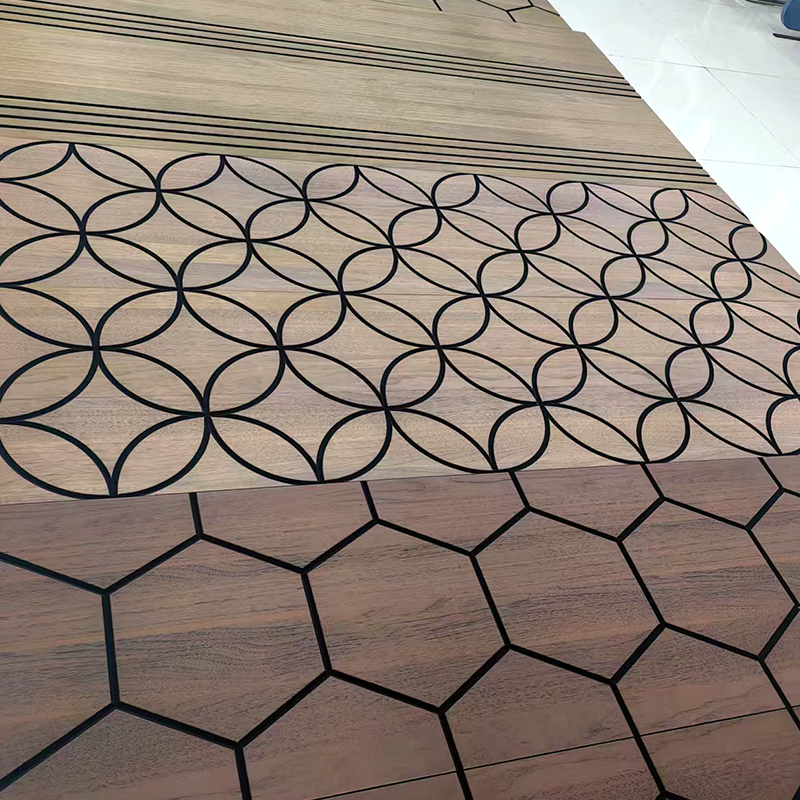
- Can I order wholesale acoustic dividers for open plan offices in custom colors? Yes, Yayin's panels are highly decorative and can be customized to fit various architectural designs while maintaining acoustic properties.
- How do carbon neutral acoustic office solutions impact LEED certification? Using recyclable, E0 formaldehyde-emission materials contributes points toward LEED and other green building certifications.


