


 English
 Español
 عربى
 中文简体




+86-180 3665 1199
Content
- 1 Why Acoustic Privacy Panels for Desks Are Important in Open-Plan Offices
- 2 Applications of Acoustic Privacy Panels for Desks in Different Office Environments
- 3 Key Benefits of Acoustic Privacy Panels for Desks
- 4 Key Factors to Consider When Choosing Acoustic Privacy Panels for Desks
- 5 Acoustic Privacy Panels for Desks in Modern Workplace Design
- 6 How to Choose a Reliable Acoustic Privacy Panel Supplier
- 7 Common Mistakes When Selecting Desk Acoustic Privacy Panels
- 8 Frequently Asked Questions
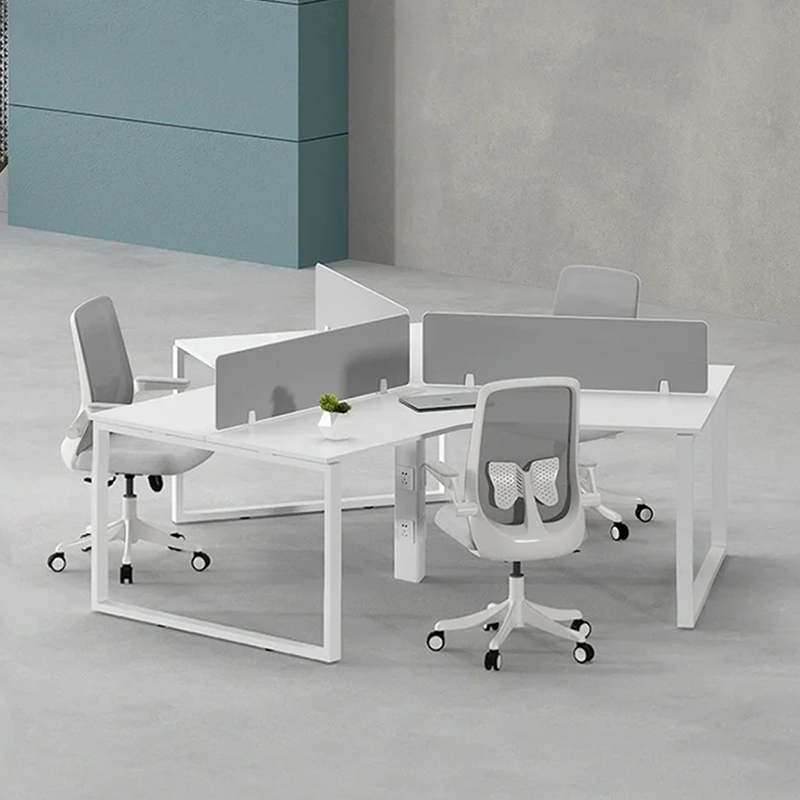
Open-plan offices boost space efficiency and spontaneous collaboration, but they also introduce background noise, visual distraction, and a loss of personal workspace boundaries. Acoustic Privacy Panels for Desks address both sides of that trade-off, softening sound reflection at the workstation while restoring a sense of visual separation without walling employees off completely. This guide looks at where these panels perform best across open-plan, shared, and hybrid office layouts.
2 in 1
Acoustic + Visual Privacy
No Walls
Zoning Without Construction
Desk-Mounted
Fits Existing Furniture
Why Acoustic Privacy Panels for Desks Are Important in Open-Plan Offices
Reducing Distractions from Surrounding Conversations and Activities
Desk-mounted panels absorb and deflect nearby sound, lowering the background noise that reaches a workstation and helping employees hold focus on tasks that need sustained attention.
Creating Greater Visual Privacy at Individual Workstations
A partial visual barrier reduces sightline distraction from foot traffic and neighboring activity, giving each desk a more clearly defined personal boundary within an open layout.
Improving the Overall Workplace Environment
Across a floor plan, consistent panel use improves acoustic comfort, produces a more organized workstation layout, and contributes to a better day-to-day employee experience.
Sound Absorption by Panel Construction (NRC Rating)
Higher NRC ratings indicate more sound energy absorbed rather than reflected back into the workspace.
Applications of Acoustic Privacy Panels for Desks in Different Office Environments
Acoustic Privacy Panels for Open-Plan Workstations
In large open offices and shared department areas, panels reduce visual and acoustic spillover between adjacent workstations, making dense seating layouts more comfortable to work in.
Flexible workspaces, hot-desking offices, and coworking environments use panels to define a temporary personal zone, improving individual privacy without committing to a fixed layout.
Acoustic Privacy Panels for Collaborative Office Areas
Team workstations, project areas, and shared discussion spaces use lower or partial panels to manage local sound and sightlines without fully isolating group work.
Acoustic Privacy Panels for Individual and Executive Workstations
Individual desks, manager workstations, and semi-private areas benefit from panels that combine privacy, a professional appearance, and improved acoustic comfort.
- Open-plan workstations: reduce spillover between neighboring desks
- Hot-desking areas: define a temporary personal zone quickly
- Collaborative zones: manage sound without isolating teamwork
- Executive desks: add privacy with a professional appearance
Key Benefits of Acoustic Privacy Panels for Desks
The goal is not to soundproof a desk. It is to reduce sound reflection and visual distraction enough that focused work becomes the default, not the exception.
Supporting Better Acoustic Comfort
Absorptive panel materials reduce sound reflection around the desk, softening the cumulative noise level that builds up across an open floor.
Improving Visual Privacy Without Fully Enclosing the Workspace
Panels preserve the open, connected feel of the office while still adding a meaningful degree of visual separation at each desk.
Helping Create More Focused Work Areas
Concentration-based work, computer-based tasks, and individual office work all benefit from the reduced distraction that a well-placed panel provides.
Supporting Flexible Office Design
Acoustic privacy panels for desks make it easy to zone workstations, adjust layouts, and reconfigure desk arrangements as team needs change.
Reported Privacy Improvement by Office Area
Employee-reported privacy improvement after panel installation, by workstation type.
Key Factors to Consider When Choosing Acoustic Privacy Panels for Desks
Evaluate Acoustic Performance
Focus on sound absorption, acoustic material, and panel construction rather than a general "soundproof" claim, since desk panels reduce noise rather than eliminate it.
Consider Panel Height and Coverage
Desk size, required privacy level, and workstation configuration all determine the panel height and coverage that will feel appropriate rather than excessive.
Check Material Quality and Durability
Surface durability, structural stability, and resistance to everyday use affect how long a panel holds its appearance and performance in daily service.
Consider Appearance and Office Design
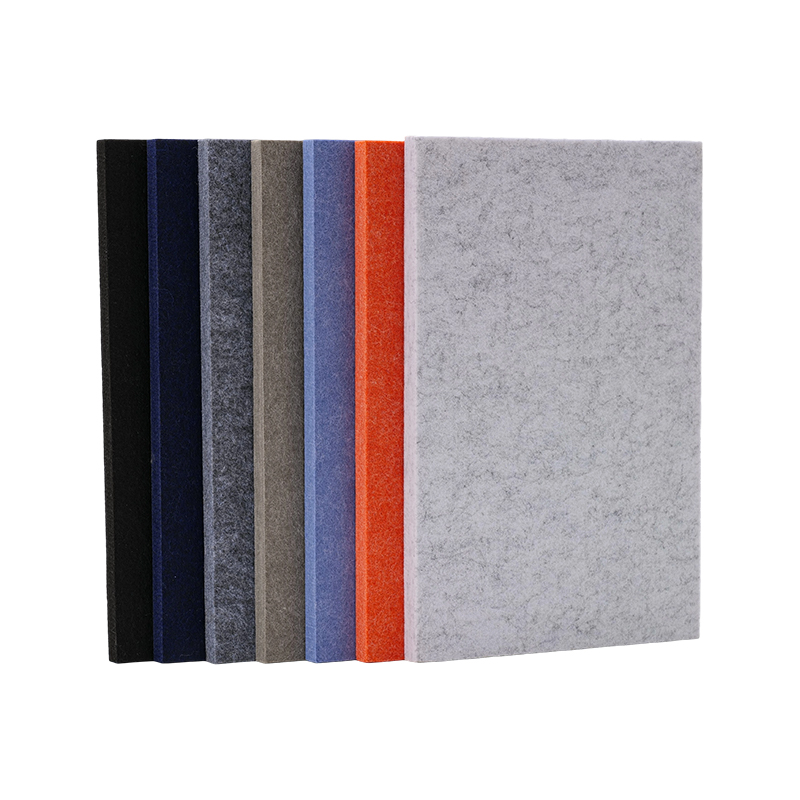
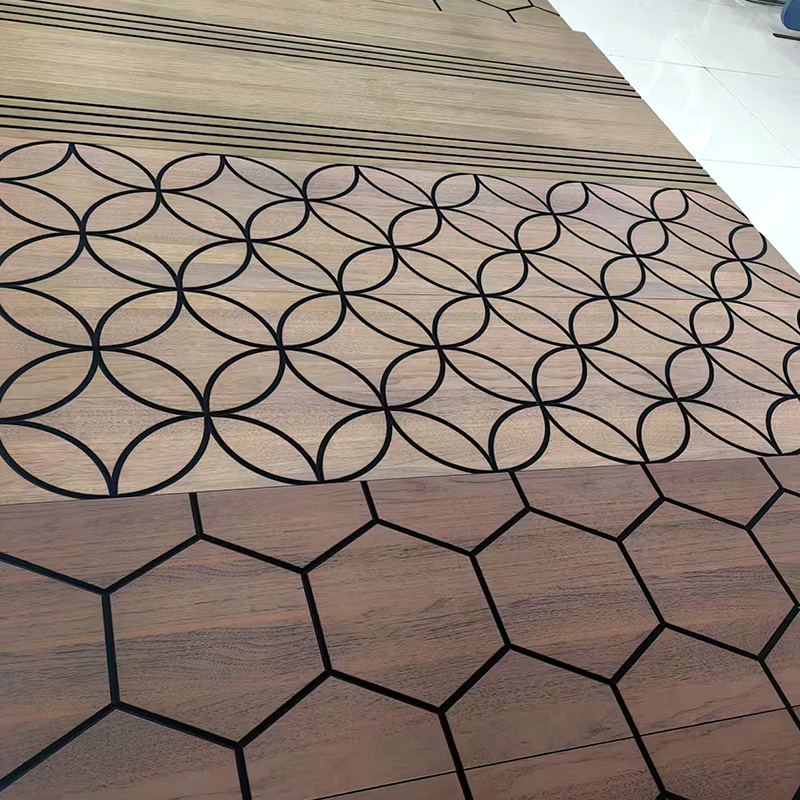
Colors, textures, shapes, and brand alignment matter for panels that sit in full view across a shared office floor every day.
Evaluate Installation and Compatibility
Desk mounting, clamping systems, and compatibility across different desk configurations determine how easily panels can be installed, adjusted, or removed.
| Factor | What to Confirm |
| Acoustic Performance | Sound absorption rating, acoustic material, construction type |
| Height and Coverage | Desk size, privacy level needed, workstation configuration |
| Material and Durability | Surface wear resistance, structural stability, daily use tolerance |
| Installation | Mounting method, clamp compatibility, ease of removal |
Acoustic Privacy Panels for Desks in Modern Workplace Design
Supporting Flexible and Hybrid Workspaces
Hybrid offices, flexible workstations, and activity-based workplaces use panels to adapt seating and privacy levels as attendance and team needs shift week to week.
Combining Acoustic Function with Office Aesthetics
Modern workplace design pairs acoustic performance with interior appearance, brand identity, and overall employee experience rather than treating the two as separate concerns.
Supporting Space Zoning Without Permanent Construction
Desk panels divide work areas into distinct zones without adding fixed walls, keeping the floor plan adaptable for future reconfiguration.
How to Choose a Reliable Acoustic Privacy Panel Supplier
Check Acoustic Material and Manufacturing Quality
Material consistency, panel construction, acoustic performance, and surface quality should be verifiable through samples or test data.
Evaluate Customization Capability
Custom dimensions, colors, shapes, and mounting options indicate whether a supplier can match a specific office design brief.
Consider Compatibility with Different Desk Systems
A capable supplier should support individual desks, bench desks, shared workstations, and height-adjustable desks within one panel system.
Assess Production Capacity and Project Support
Bulk order capacity, project-level customization, delivery capability, and installation support all affect how smoothly a large office rollout proceeds.
Common Mistakes When Selecting Desk Acoustic Privacy Panels
Choosing Panels Based Only on Appearance
Color and design matter, but selecting panels on looks alone without checking acoustic performance often leaves the original noise problem unresolved.
Assuming Thicker Panels Always Provide Better Acoustic Performance
Material type, internal structure, and absorption characteristics affect performance more than thickness alone.
Ignoring Desk Compatibility
Desk dimensions, mounting method, panel weight, and available installation space should be confirmed before ordering to avoid fitting issues on delivery.
Frequently Asked Questions
Do acoustic privacy panels for desks actually reduce noise?
Yes, absorptive panel materials reduce sound reflection and lower the background noise reaching a workstation, though they reduce rather than eliminate surrounding sound.
Are desk panels suitable for hot-desking offices?
Yes, clamp-mounted panels adapt well to hot-desking and flexible layouts since they can be repositioned as seating arrangements change.
Do thicker panels always perform better acoustically?
Not necessarily. Material type and internal construction influence sound absorption more than panel thickness alone.
Can acoustic panels be added to existing desks?
Most panels use clamp or bracket mounting systems designed to fit onto existing desks without permanent modification.


