


 English
 Español
 عربى
عربى
 中文简体
中文简体





+86-180 3665 1199
Content
Both eco friendly acoustic panels and traditional acoustic materials like mineral wool, fiberglass, and conventional foam can quiet a room, but they get there through very different material choices, and that difference shows up in indoor air quality, design flexibility, and long-term environmental impact. Architects and builders increasingly weigh sustainability goals against proven acoustic performance, and the right answer depends less on which material sounds better on paper and more on what a specific project actually needs.
What Are Eco Friendly Acoustic Panels?
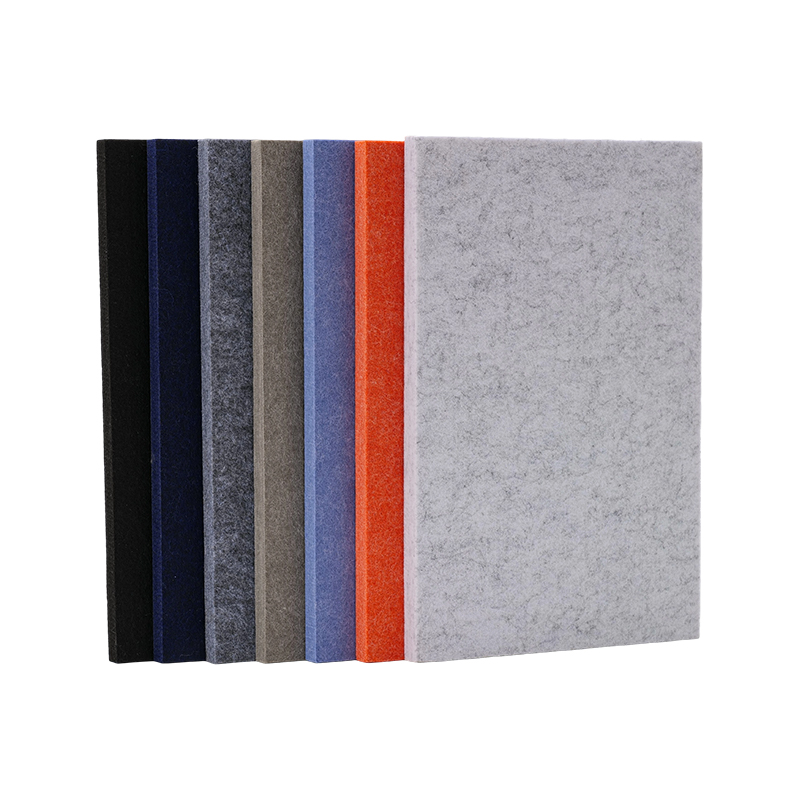
Eco friendly acoustic panels are sound-absorbing products built from recycled polyester fiber, natural fibers, recycled textiles, or sustainable wood-based materials, designed to cut noise while keeping environmental impact and indoor air quality in mind.
Where They Come From
Recycled polyester fiber, natural fibers, and reclaimed textile materials dominate the category, chosen specifically to reduce dependence on virgin raw resources and support circular-economy manufacturing.
What They're Built to Do
Beyond noise control, these panels are engineered to minimize environmental impact, keep emissions low, and stay lightweight enough for flexible design and easy installation across commercial and residential interiors.
What Are Traditional Acoustic Materials?
Traditional acoustic materials, including mineral wool, fiberglass, conventional foam, and standard fabric-wrapped panels, were developed before sustainable material sourcing became a design priority, and they remain common in industrial facilities, commercial buildings, and recording studios.
Where They Prove Themselves
Decades of use have produced mature manufacturing processes and a deep body of acoustic performance data, which is why traditional materials still dominate applications where proven results matter more than material sourcing.
Eco Friendly Acoustic Panels vs Traditional Acoustic Materials
The starting materials set the tone for almost every other difference between the two categories.
Eco Friendly Acoustic Panels
- Recycled fibers and renewable resources
- Reduces dependence on raw materials
- Supports circular-economy manufacturing
Traditional Acoustic Materials
- Mineral-based materials and synthetic fibers
- Established, reliable production processes
- Some materials carry higher production or disposal impact
Sound absorption performance depends more on structure, thickness, density, and installation than on which category a material falls into — eco friendly acoustic panels and traditional options like fiberglass or mineral wool can both deliver excellent absorption across frequencies when properly specified.
Indoor air quality tends to favor the eco friendly side, since these panels are typically designed with low-emission materials and reduced use of harmful substances, making them a common fit for schools, offices, and healthcare facilities. Traditional materials can meet the same standards, but performance depends heavily on the specific product and manufacturing process, and some conventional materials need additional covering to qualify.
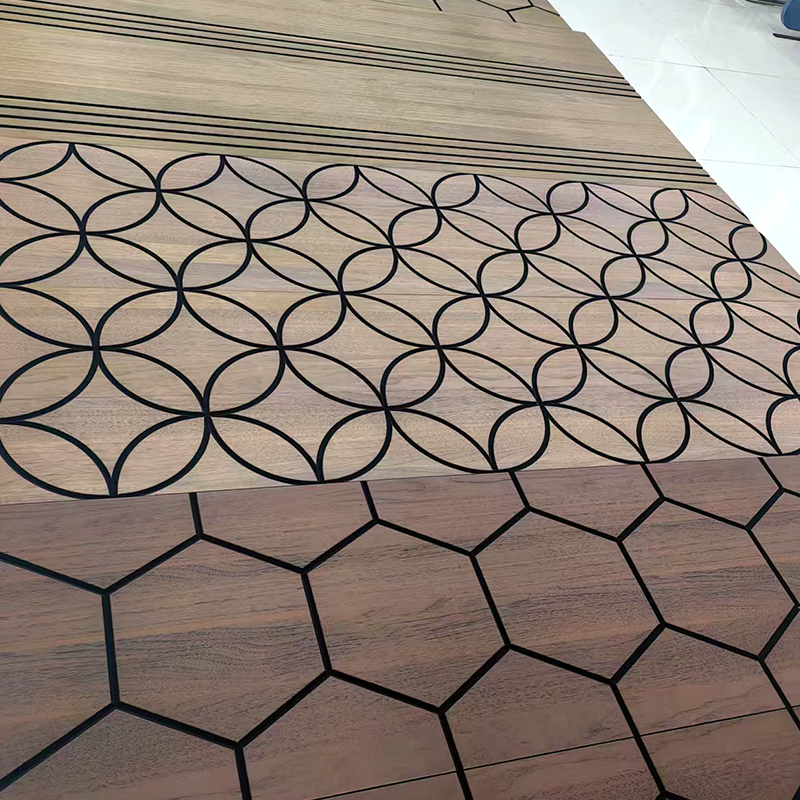
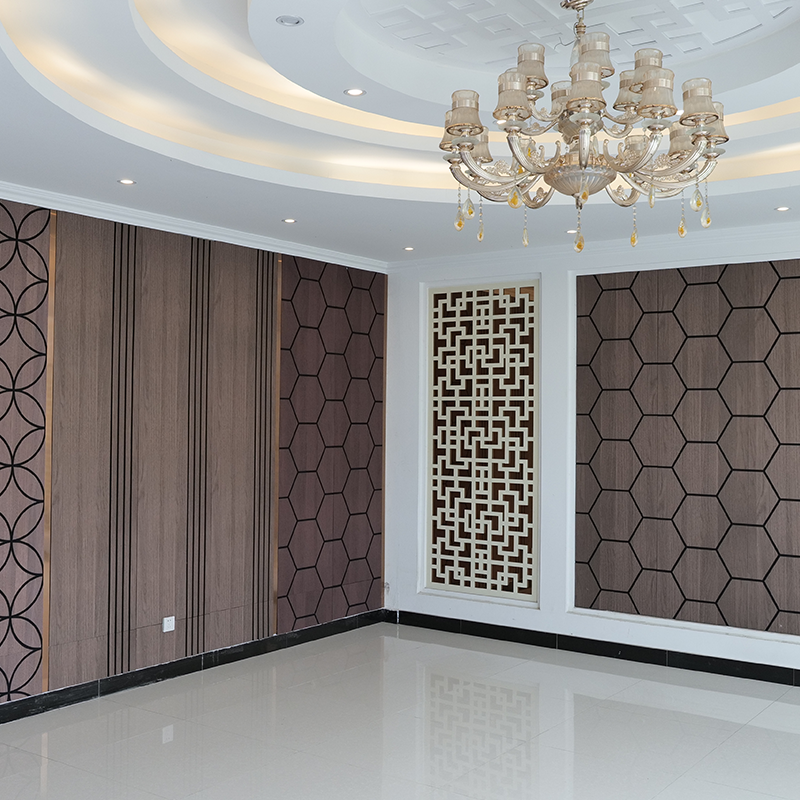
Design flexibility also tilts toward eco friendly panels, which come in a wide range of colors, custom shapes, and decorative patterns that double as interior design elements rather than purely functional treatments. Traditional acoustic boards and standard ceiling tiles remain functional first, with fewer customization options built in.
Durability and installation efficiency depend on the specific product on both sides. Many recycled polyester panels offer moisture resistance and shape stability at a lighter weight, which simplifies installation, while some traditional materials offer excellent fire resistance and long-term stability but may need more careful handling or protective coverings.
Eco friendly acoustic panels generally win on sustainability, indoor air quality, and design flexibility, while traditional materials hold their ground on proven acoustic performance and installation history.
Performance Profile: Eco Friendly vs Traditional Materials
Eco Friendly Panels Traditional Materials
Comparison Table
Here is how the two categories line up feature by feature.
| Feature | Eco Friendly Panels | Traditional Materials |
| Material Source | Recycled or renewable | Conventional materials |
| Environmental Impact | Lower | Depends on material |
| Sound Absorption | Excellent | Excellent |
| Indoor Air Quality | Often low emission | Depends on product |
| Design Flexibility | High | Medium to high |
| Weight | Usually lightweight | Varies |
| Installation | Easy and flexible | Depends on material |
Applications of Eco Friendly and Traditional Acoustic Materials
- Offices and commercial buildings: eco friendly panels support open offices and meeting rooms with sustainable interior design
- Educational facilities: classrooms and libraries prioritize speech clarity and safe materials
- Hospitality spaces: hotels and restaurants balance acoustics with premium appearance
- Recording studios: traditional materials remain common for proven performance, though eco alternatives are gaining ground
How to Choose Between the Two
Start with the project's sustainability goals, since green building standards point toward eco friendly panels. Then evaluate acoustic requirements like noise level, room size, and frequency range, since absorption performance depends on thickness and density more than category. Factor in interior design needs such as color and custom shapes, and weigh installation location against long-term maintenance costs before finalizing a material.
VOC Emission Level by Material Type
Both eco friendly acoustic panels and traditional acoustic materials can control noise effectively. The right choice comes down to how much weight a project puts on sustainability, indoor air quality, and design flexibility versus decades of proven performance data. As sustainable construction grows, eco friendly panels are taking on a bigger share of that decision in offices, schools, and green buildings.
Frequently Asked Questions
Do eco friendly acoustic panels absorb sound as well as traditional materials?
Yes, sound absorption depends more on structure, thickness, and density than on material category, so properly specified eco friendly panels can match traditional options like fiberglass or mineral wool.
Are eco friendly acoustic panels more expensive than traditional materials?
Cost varies by product and specification, though the material savings from recycled content can offset some of the premium associated with sustainable sourcing.
Which option is better for indoor air quality?
Eco friendly acoustic panels generally have an edge because they are typically designed with low-emission materials, though traditional materials can meet the same standards depending on the specific product.
Are traditional acoustic materials still used in professional applications?
Yes, mineral wool and fiberglass remain common in recording studios and industrial facilities due to their long-established performance data, even as eco friendly alternatives gain adoption.


