


 English
 Español
 عربى
 中文简体



+86-180 3665 1199
Content
A typical open-plan office with 20 workstations generates background noise between 55 and 65 dBA. At that level, reduced speech intelligibility can lower performance on complex tasks by as much as 15%. Yet most procurement teams choose acoustic office partitions by surface appearance rather than internal structure, which is where sound control is truly won or lost.
The structure of a partition, meaning its core material, thickness, density, air gaps, and edge sealing, determines whether it absorbs echo, blocks direct speech, or does both. This guide breaks down those variables so you can specify partitions that deliver the intended NRC and STC performance.
Absorption vs. Blocking: Two Different Jobs
An office partition that absorbs sound well does not automatically block sound well, and the difference lies in its internal structure.
Sound absorption is measured by the Noise Reduction Coefficient (NRC), a value from 0 to 1 that indicates the fraction of incident sound energy the material absorbs. A polyester fiber panel with NRC 0.85 absorbs 85% of the sound that strikes it. Absorption addresses reflected sound only, the echo and reverberation that make a workspace feel noisy.
Sound transmission is measured by the Sound Transmission Class (STC). A partition with a high STC rating prevents open-plan speech from traveling into adjacent zones. The catch is that a single structure rarely excels at both. Dense, heavy panels block sound but can bounce it back into the room. Light, porous panels absorb sound but let it pass through.
Thickness and Density: The Physics of Absorption
Sound absorption in polyester fiber partitions rises steadily with thickness and density, up to a practical ceiling around 28 mm and 220 kg per cubic meter.
Thicker panels give sound waves more time to lose energy as they move through the fiber matrix. A 9 mm PET felt panel absorbs mostly high-frequency sound, with an NRC around 0.45 to 0.55. A 28 mm panel absorbs mid- and low-frequency noise too, reaching NRC 0.85. Density matters as well: a more compact fiber structure increases the surface area for friction, which converts sound energy into heat. Manufacturers such as Yayin New Materials Jiangsu Co., Ltd. tune density and thickness in production to meet these targets consistently.
| Panel Thickness | Density | NRC | Best For |
| 9 mm | 160 kg/m3 | 0.45-0.55 | Desk screens, light use |
| 12 mm | 180 kg/m3 | 0.60-0.70 | Open-plan dividers |
| 20 mm | 200 kg/m3 | 0.75-0.80 | Meeting-room walls |
| 28 mm | 220 kg/m3 | 0.85 | Full-height partitions |
0.85Max NRC at 28 mm
28 mmPractical thickness ceiling
220 kg/m3Density at peak absorption
15%Task performance loss in noise
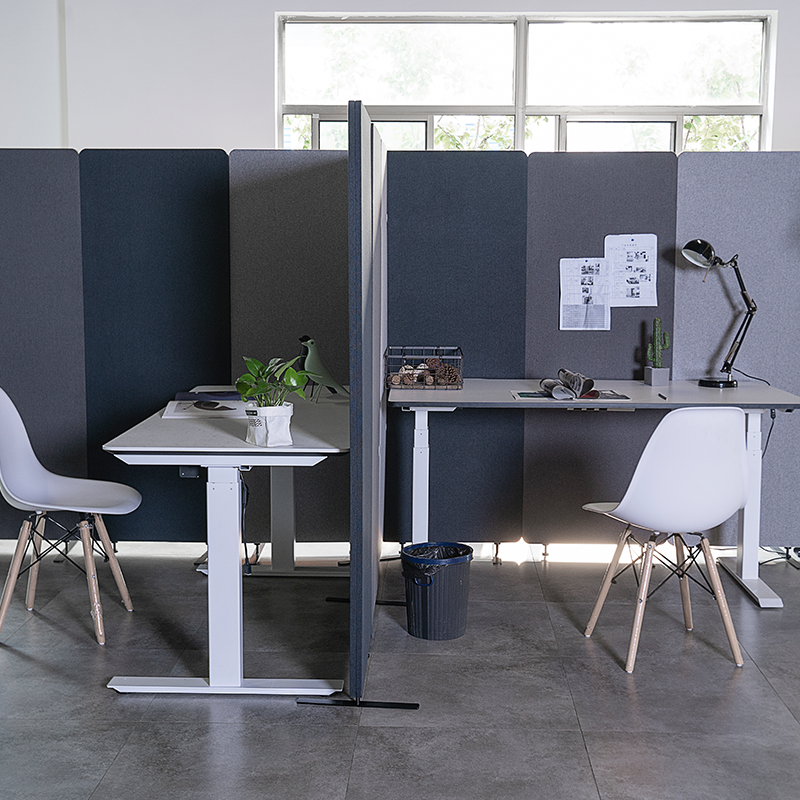
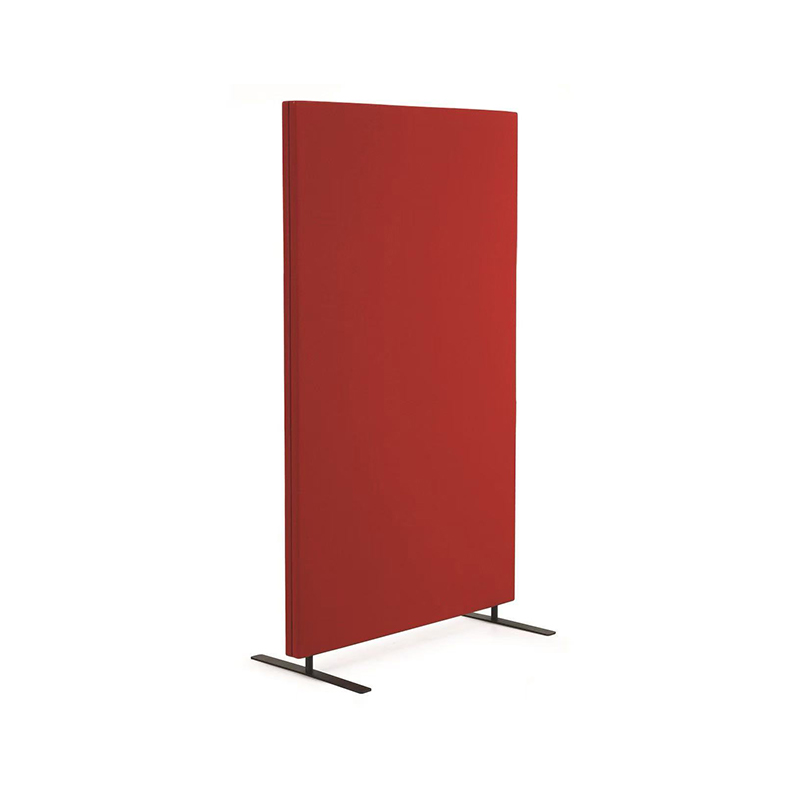
If you are specifying a full-height partition, understanding how NRC ratings relate to speech distraction helps you set a realistic target before comparing suppliers. A freestanding 28 mm floor partition is the standard structural choice for offices that need both absorption and visual privacy.
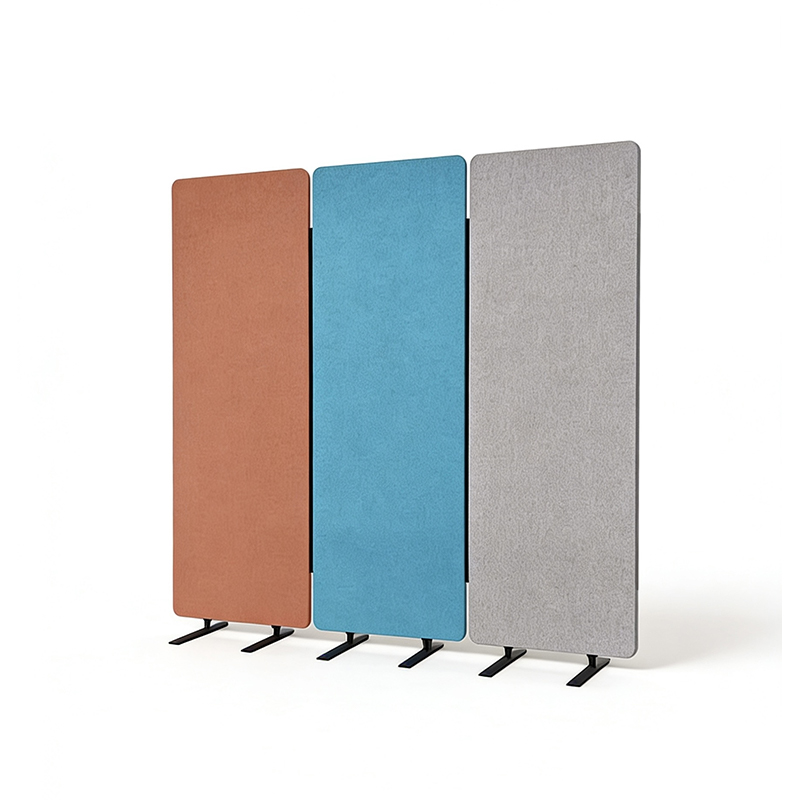 Office Acoustic Freestanding Partition Screen with 28mm Thick PanelThis 1650×600×28mm floor partition uses high-density polyester fiber for sound absorption. Its thickened structure effectively reduces noise transmission, making it a solid choice for open offices and meeting spaces.View Product →
Air Gaps, Perforations, and Edge Treatments
Structural details, not just panel mass, determine real-world sound performance. Air gaps behind a partition, perforated surface patterns, and precise edge sealing all shift NRC and STC outcomes.
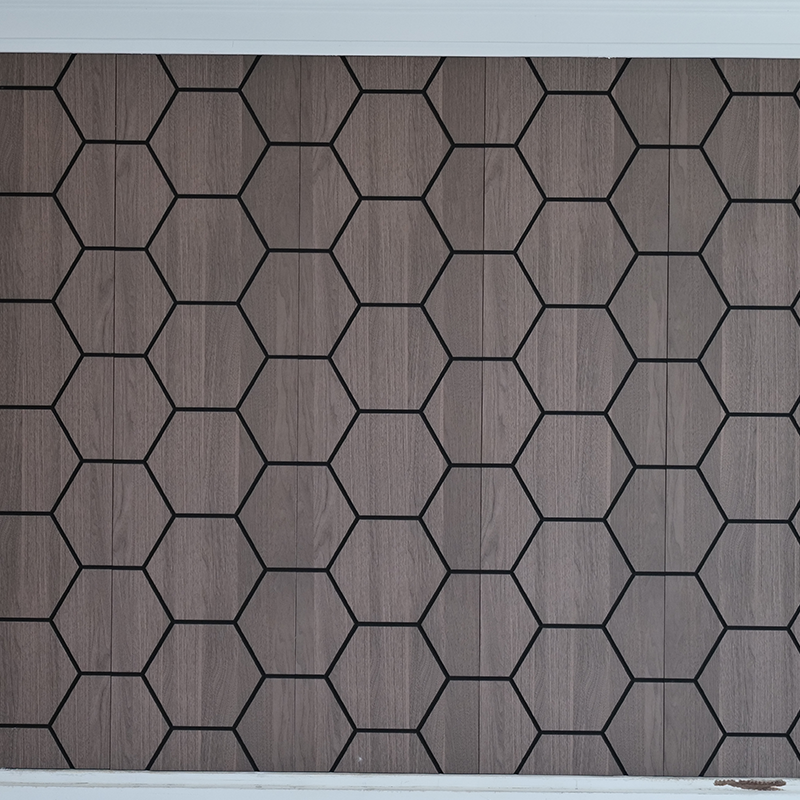
Mounting a partition 50 mm from a wall creates an air cavity that improves low-frequency absorption by roughly 10 to 15%. Grooved or perforated panels expose more fiber surface area, raising NRC without adding thickness. Edge treatments are equally critical: a partition with sealed top and bottom edges performs consistently, while one with floating edges lets sound leak around the sides.
Structural considerations
- Air gap: A 50 mm gap behind the panel boosts low-frequency NRC by 10 to 15%.
- Perforation: Grooved or perforated faces increase exposed surface area for higher absorption.
- Edge sealing: Closed edges prevent flanking paths; open edges reduce STC by 5 to 10 points.
- Mounting: Freestanding legs or casters change how the partition couples with the floor.
The Sealing Problem: Why Gaps Destroy Sound Control
Gaps are the number one reason a well-specified acoustic partition underperforms in practice.
Sound finds every opening. A 5 mm gap between panel and floor can drop the effective STC by more than 10 points. In open-plan offices, partitions often sit on casters, creating a 10 to 20 mm gap at floor level. Unless that gap is sealed with a brush strip or designed into a continuous zippered system, the absorption of the panel itself becomes irrelevant.
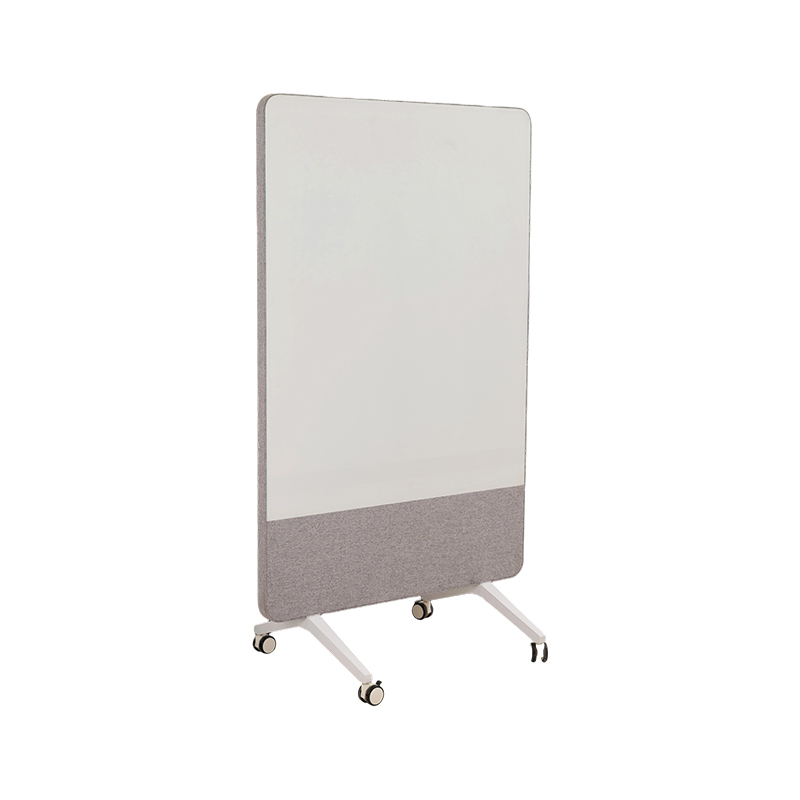
The best partition structures address this at the design level. Zippered office partitions with casters combine mobility with a continuous seal because the segments zip together, eliminating vertical gaps between panels. This matters in hybrid offices that reconfigure space weekly.
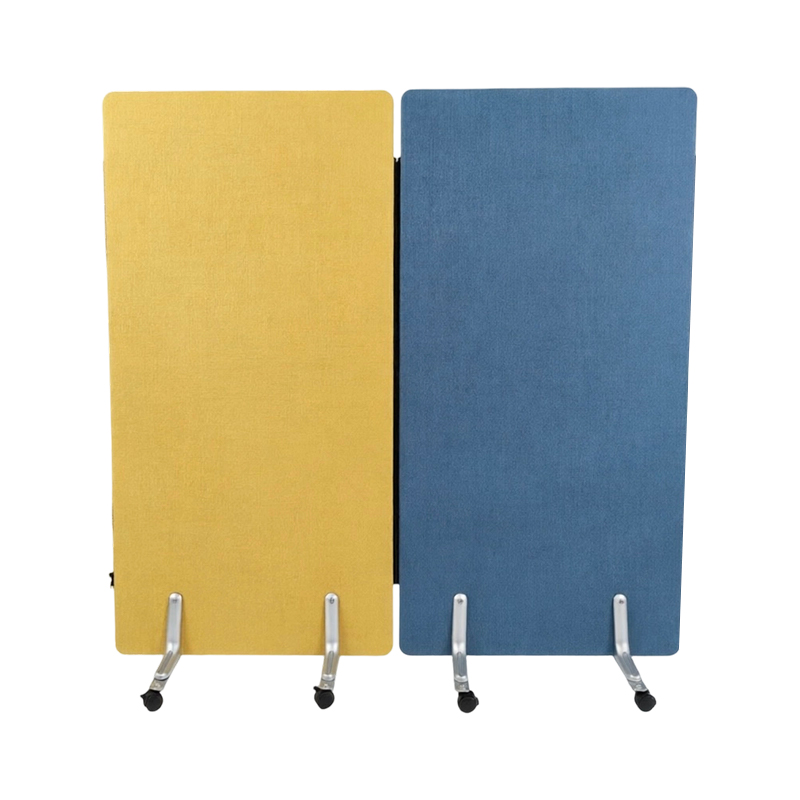 Zippered Soundproof Partition with Casters for Flexible Office LayoutsThis movable partition combines a zippered connection and lockable casters, enabling quick reconfiguration without permanent installation. The fabric-covered panels absorb noise, making it ideal for hybrid workspaces that change frequently.View Product →
Choosing the Right Partition Structure for Your Office
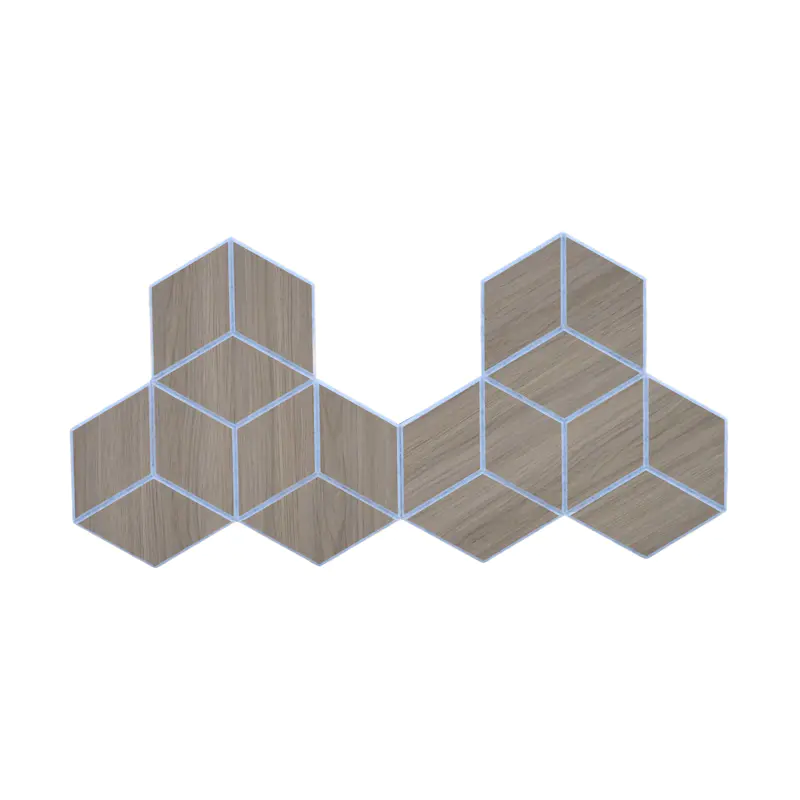
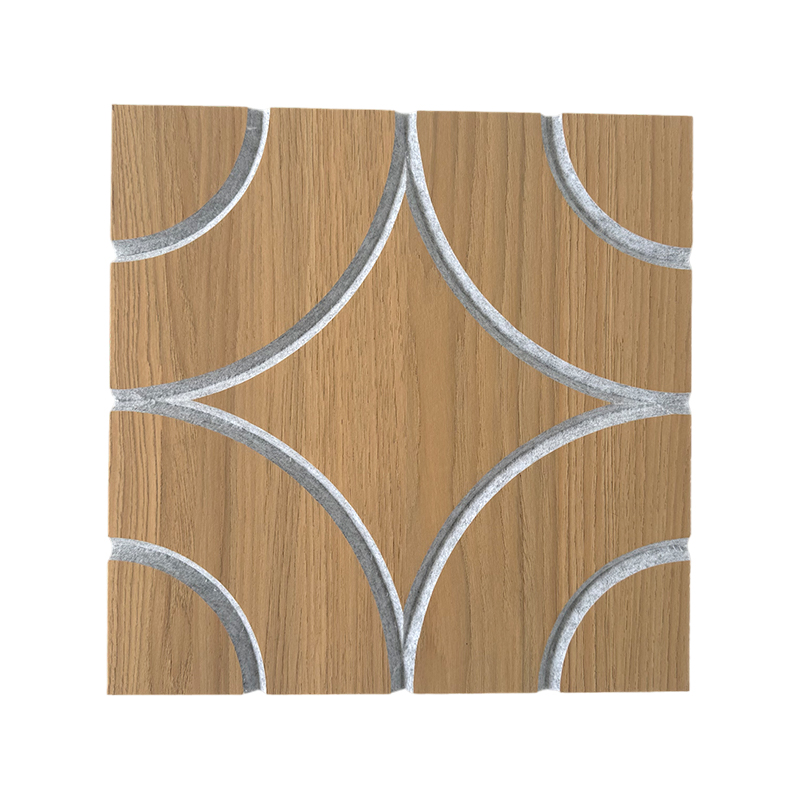
Four partition structures dominate office layouts: solid freestanding panels, zippered movable systems, fabric-wrapped dividers, and leaf-shaped custom panels. Each solves a different acoustic and layout problem.
Freestanding Panels
Best for fixed desk clusters. At 28 mm thickness they deliver NRC 0.85 and a solid base seals the floor gap.
Zippered Movable
Best for hybrid reconfigurations. Casters provide flexibility and zippered joints close vertical gaps.
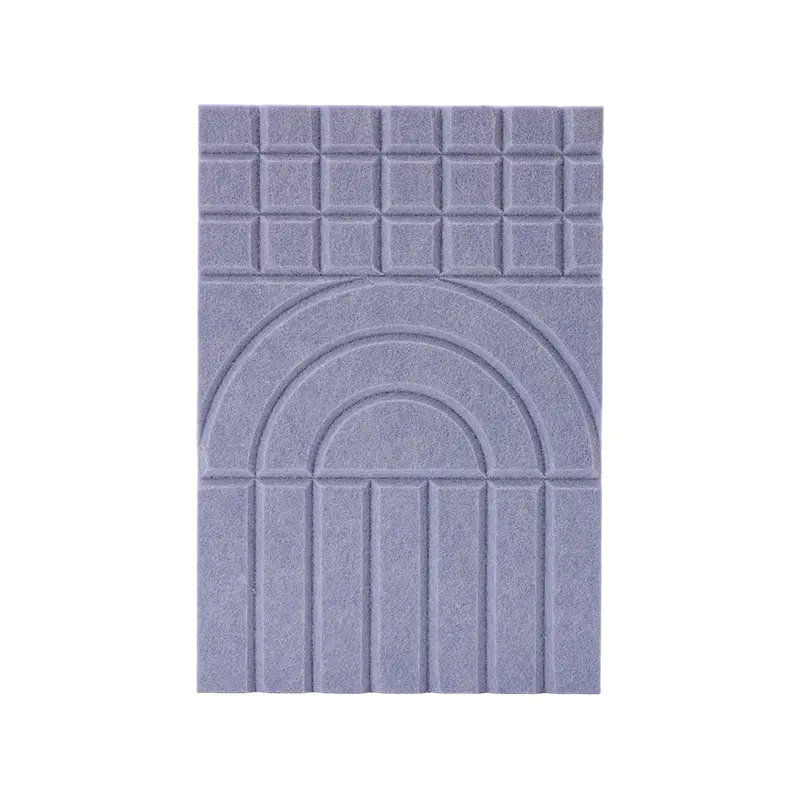
Fabric-Wrapped
Best for design-led spaces. Fabric adds a decorative layer without reducing acoustic performance.
Leaf-Shaped
Best for organic layouts. Curved surfaces scatter sound and reduce direct speech paths.
Rule of thumb: Decide whether you are solving echo or speech leakage. Open-plan noise calls for absorption and sealed edges. Separating meeting rooms calls for blocking and structural continuity.
NRC by partition thickness
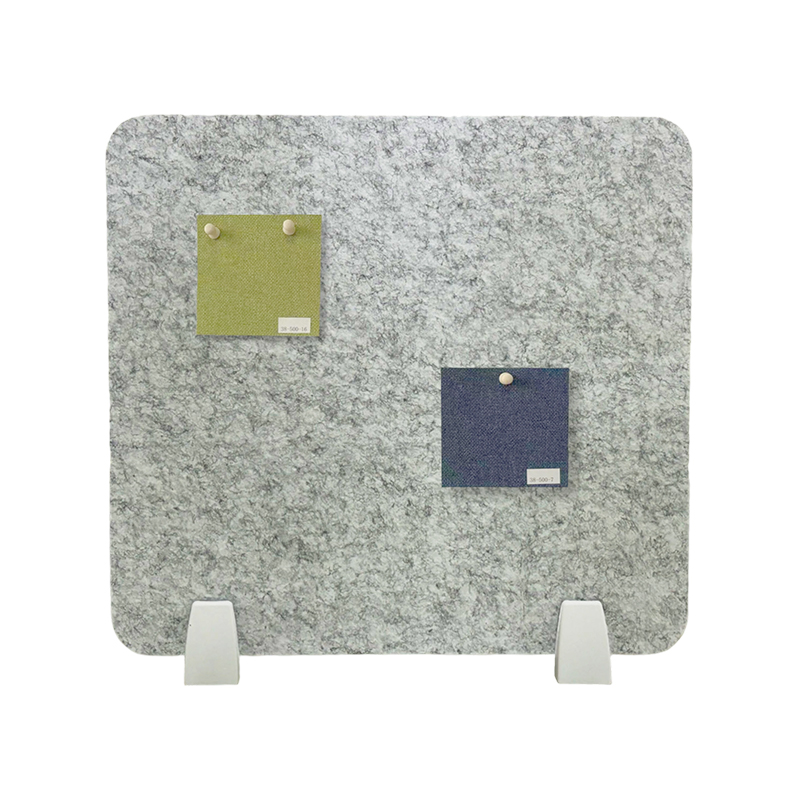
Before you purchase, verify the fire rating and eco certification requirements for partitions in your region. Fabric-wrapped partitions with a denser backing offer a good balance between aesthetics and sound absorption for most office environments.
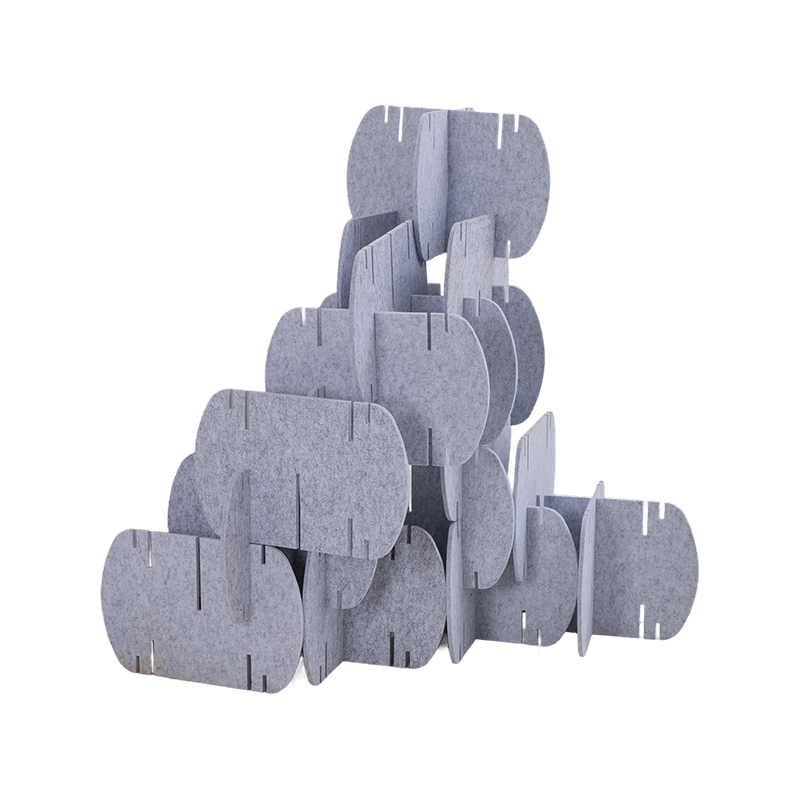 Eco-Friendly Fabric-Wrapped Acoustic Panels for Office Partition ScreensThese customizable panels offer multiple connection options like zipper links or hinges, allowing flexible layouts. With sound-absorbing properties and a modern design, they suit offices and meeting rooms that need both acoustic performance and adaptability.View Product →
Frequently Asked Questions
What NRC rating do I need for acoustic office partitions?
For open-plan offices that divide individual workstations, select a minimum NRC 0.60 for desk-level screens and NRC 0.80 to 0.85 for full-height partitions. When partitions separate meeting rooms from the open workspace, specify NRC 0.85 plus a sealed edge system to prevent flanking transmission.
Does partition thickness matter more than density?
Both matter, but thickness has a larger influence on low-frequency absorption. A thick 28 mm panel with moderate density absorbs more mid- and low-frequency noise than a thin 9 mm panel with high density. In practice, specify 20 to 28 mm for full-height office partitions.
How do I prevent sound leaking through gaps in office partitions?
Seal all gaps at the floor, ceiling, and between panel joints. Use partitions with integrated seals, such as zippered systems that connect panels continuously, or add brush strips to caster-mounted partitions. A 5 mm floor gap can reduce STC by more than 10 points.
Are PET felt partitions better than fiberglass for offices?
PET felt partitions are safer for occupied office environments. They are non-irritating, antimicrobial, and recyclable, while fiberglass requires encapsulation and carries handling concerns. PET felt also delivers comparable NRC ratings (0.85 at 28 mm) with better fire certification, such as ASTM E84 Class A and EN13501-1 B.


