


 English
 Español
 عربى
عربى
 中文简体
中文简体



+86-180 3665 1199
Content
- 1 Start with the Complaint, Not the Product Category
- 2 What an Acoustic Panel Does vs What a Partition Does
- 3 The Five Differences That Actually Matter
- 4 Why Neither One Is "Soundproofing"
- 5 How to Choose Based on the Noise Problem You Have
- 6 Why Most Real Projects Combine Both
- 7 What to Verify Before You Commit: NRC, Fire Class, and Emissions
- 8 Put the Comparison Back into Your Project
Start with the Complaint, Not the Product Category
A facility manager walks through a 40-person open-plan office. Staff near the window say phone conversations from the next cluster are distracting. The team in the middle says the room sounds hollow. If that manager orders only wall panels to fix the phone-noise problem, or only partitions to fix the hollowness, half the complaint will remain. That is the core of the acoustic panels vs acoustic office partitions question: the two products solve different parts of the same noise problem, and choosing correctly starts with what you actually hear.
The practical conclusion is simple: acoustic panels absorb sound energy across a room, reducing echo and making speech clearer. Acoustic office partitions divide space and interrupt sound traveling directly between people. In most offices, schools, and meeting rooms, the question is not which product is "better", but which one matches the specific complaint — and whether both belong in the same project.
What an Acoustic Panel Does vs What a Partition Does
Acoustic wall panels manage the room's sound field
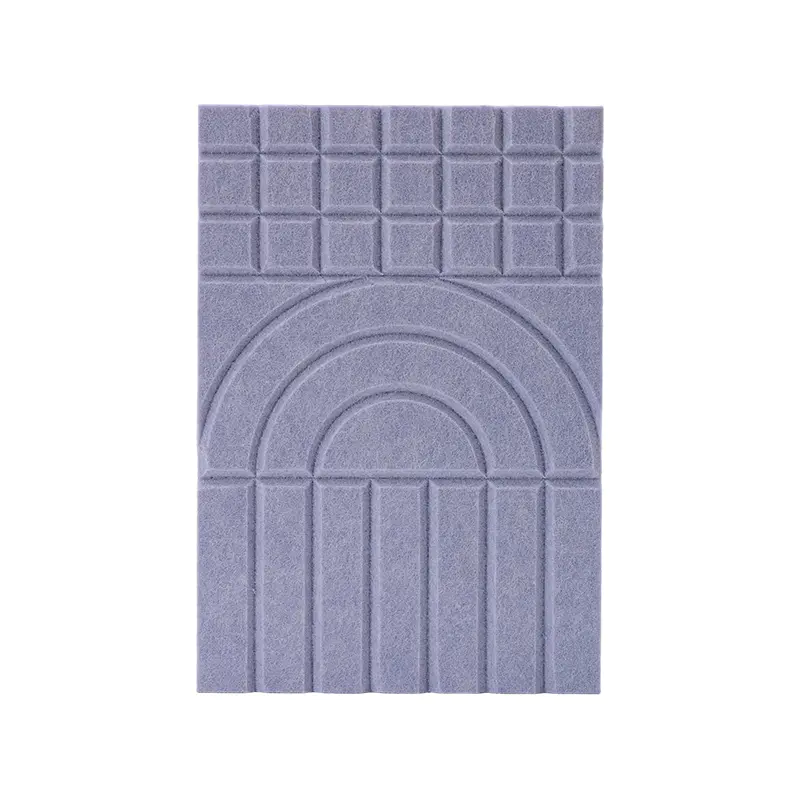
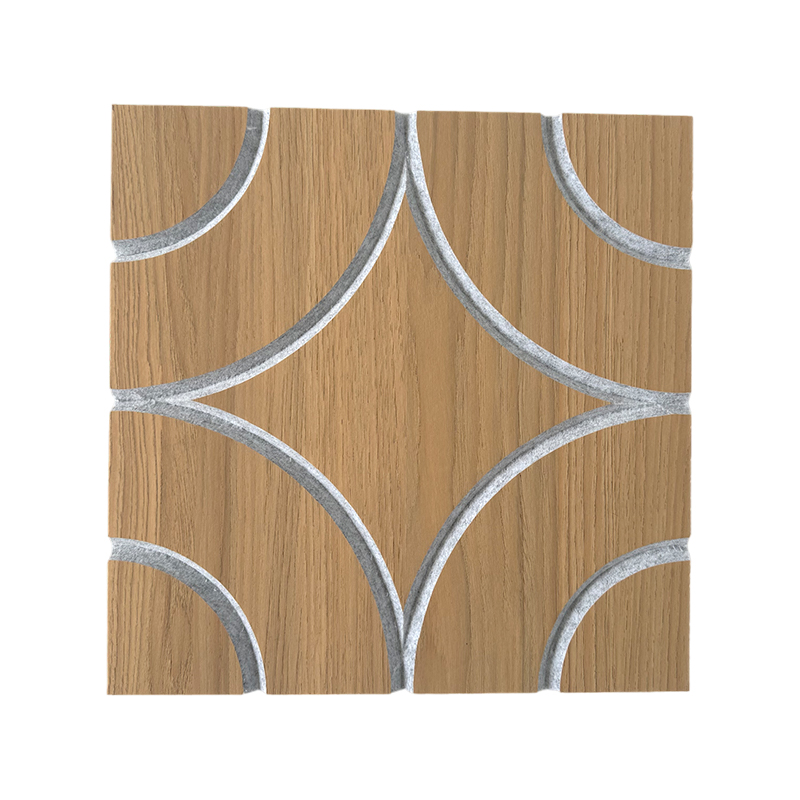
An acoustic wall panel is a sound-absorbing board mounted on a wall or ceiling. In production, recycled polyester fiber is needle-punched into a dense felt, cut to size, and finished with fabric, printed surfaces, or wood veneer. The porous structure converts sound energy into heat as air moves through the fibers, so each reflection is slightly weaker than the one before. That behavior is measured by the Noise Reduction Coefficient (NRC): an NRC of 0.85 means the panel absorbs about 85% of incident sound energy across the test frequencies, which shortens reverberation time and makes speech clearer.
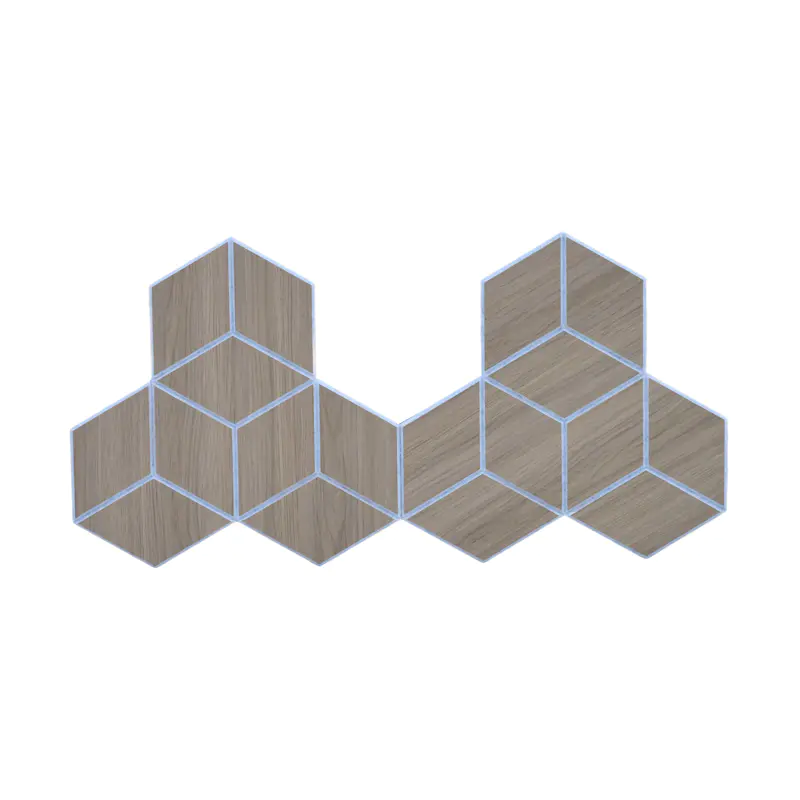
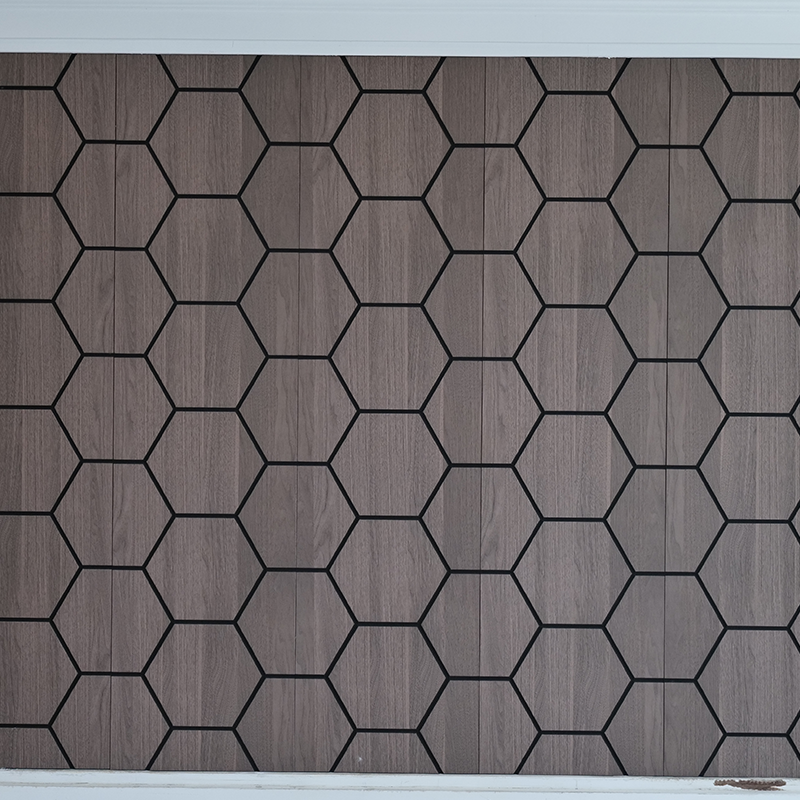
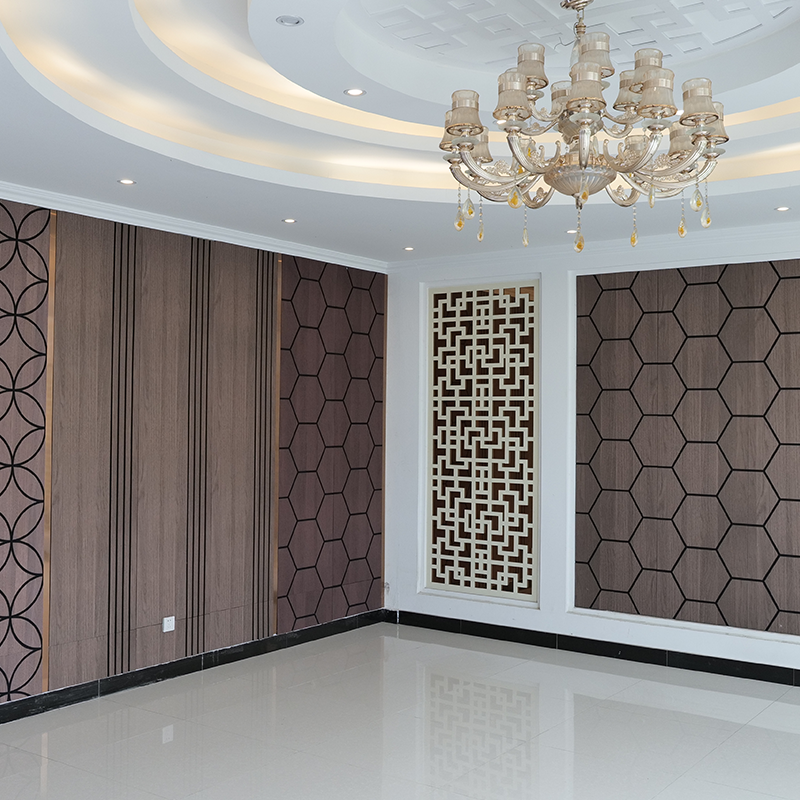
Wall panels are therefore the standard first fix in meeting rooms, classrooms, cafeterias, and home theaters where reflected sound is the main problem. They are also the right product when the layout is permanent and the whole room needs a measurable drop in echo. High-quality polyester fiber acoustic panels are a common format for this application because they combine absorption with a flat, stable surface that installs cleanly across large wall areas.
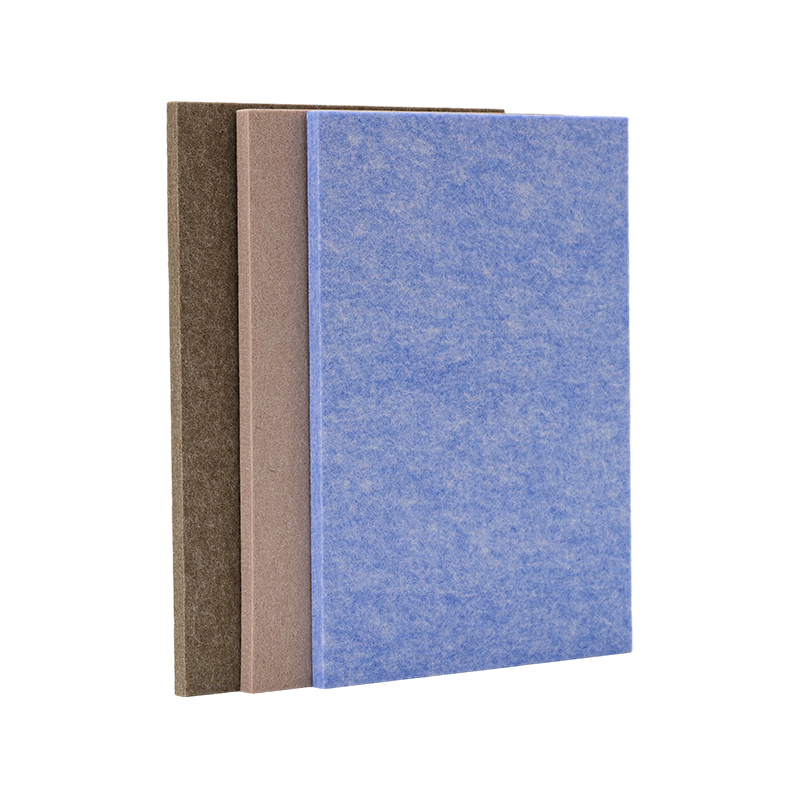 Wholesale High-quality Polyester Fiber Sound-absorbing Board, Environmentally FrYayin New Materials Jiangsu Co.,Ltd. Is China Wholesale High-quality Polyester Fiber Sound-absorbing Board, Environmentally Friendly and ...View Product →
Acoustic office partitions manage the space between people
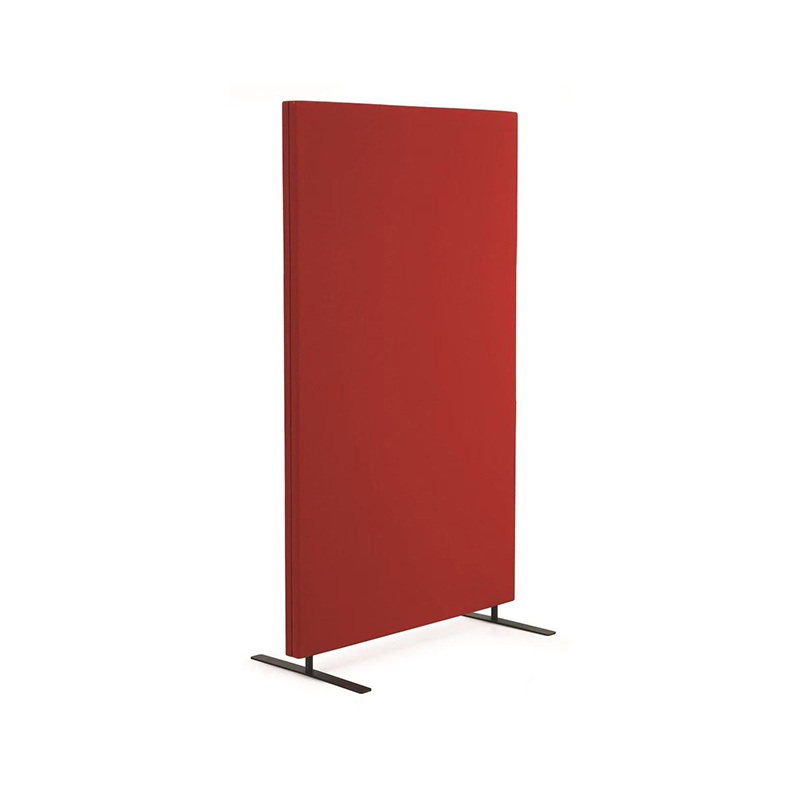
An acoustic office partition is a freestanding or desk-mounted screen placed between workstations. It absorbs sound on both faces and, more importantly, blocks the direct path from a colleague's mouth to your ear. Because the partition removes the line-of-sight between two people, it reduces the crosstalk that a wall panel on the far side of the room never touches.
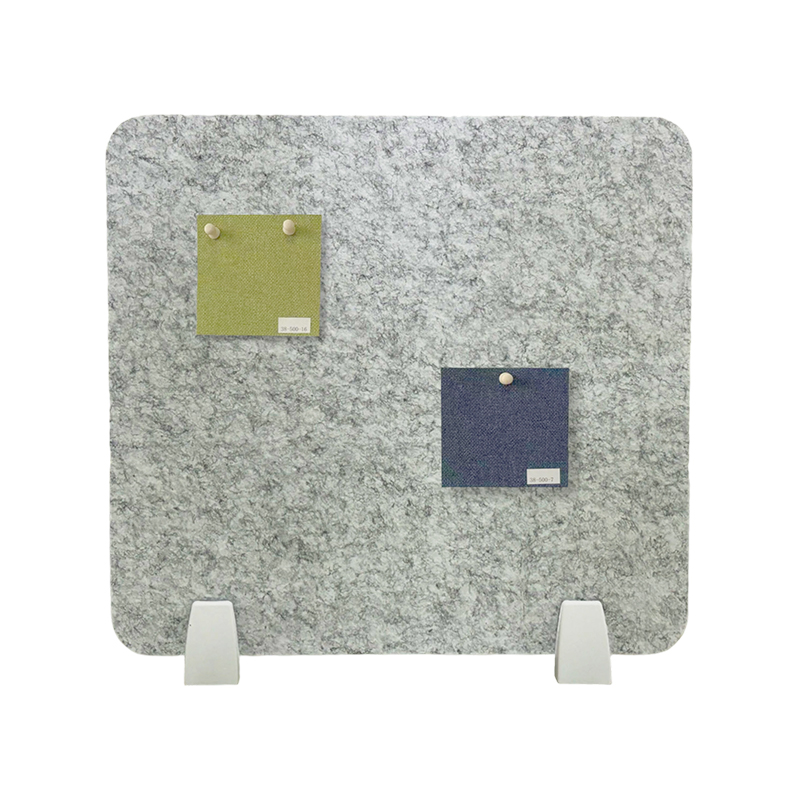
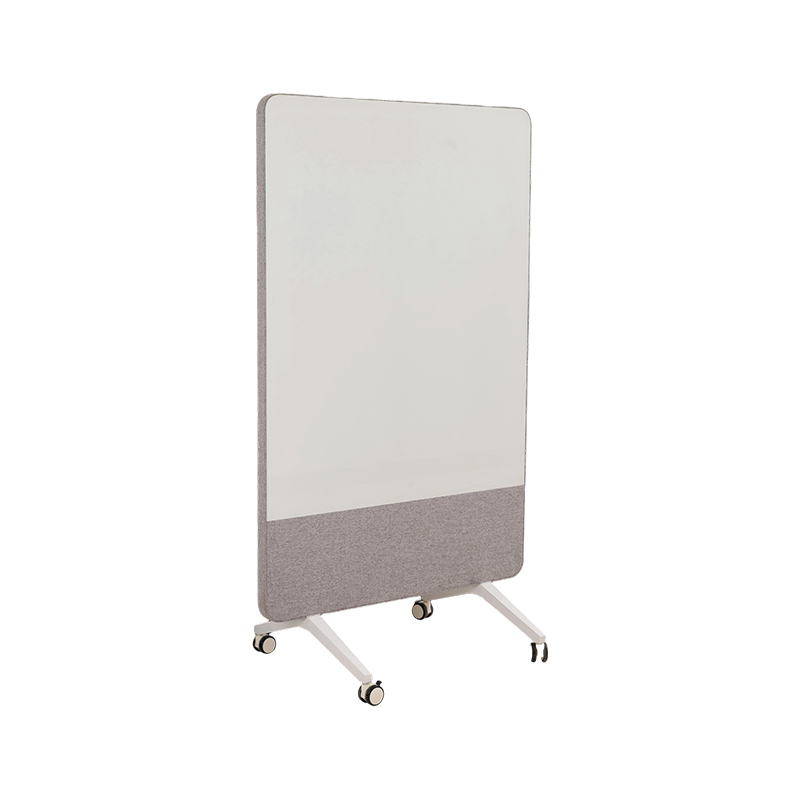
Most office partitions use the same polyester fiber felt as wall panels, wrapped in fabric or finished with PET surfaces. The difference is construction: a stable base, an inner frame, and a height selected for seated privacy. Freestanding acoustic office partitions are the most common format because they need no drilling into floors or walls and can be repositioned when teams change.
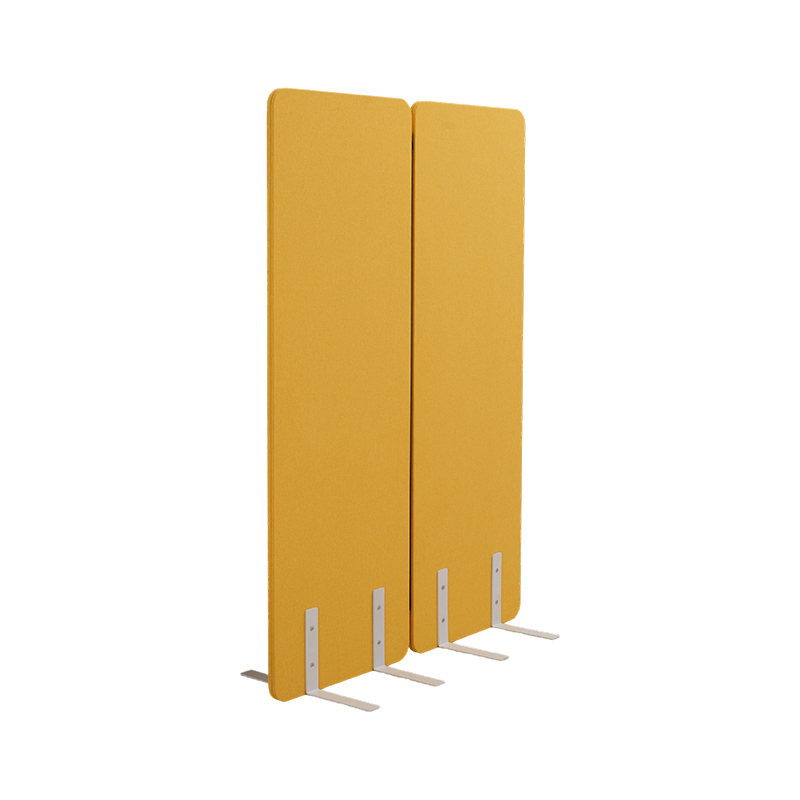 Wholesale Spesonic Freestanding Partition Room Dividers, Acoustic Panels SoundprYayin New Materials Jiangsu Co.,Ltd. Is China Wholesale Spesonic Freestanding Partition Room Dividers, Acoustic Panels Soundproof Privacy...View Product →
The Five Differences That Actually Matter
When the two products are placed side by side, five points separate them clearly:
| Criterion | Acoustic Wall Panels | Acoustic Office Partitions |
|---|---|---|
| Primary function | Absorb reverberation and echo across the whole room | Interrupt direct speech and add visual privacy between desks |
| Mounting | Screwed or adhered to walls and ceilings | Freestanding on the floor, no structural work |
| Mobility | Permanent; removal leaves holes or adhesive marks | Can be moved, folded, or stored when layouts change |
| Sound effect | Shorter reverberation, clearer speech, less "hollow" feeling | Fewer direct distractions, better speech privacy at the seat |
| Typical spaces | Meeting rooms, classrooms, theaters, open-plan perimeters | Open-plan workstations, hot desking, reception areas |
The table shows why selecting the wrong product is common. A team that installs partitions in a room with long reverberation time will still hear echo between conversations. A team that installs only panels in a dense open plan will still hear the person at the next desk, because the direct sound path remains untouched.
Why Neither One Is "Soundproofing"
A recurring mistake in this comparison is expecting one product to block all sound. Acoustic panels absorb reflected sound but do not add enough mass to a wall to stop a loud conversation passing into the next room. Acoustic partitions absorb on their surfaces and block high-frequency speech over short distances, but they are not airtight walls, so low-frequency noise and very loud voices bend around them. A guide to sound-absorbing panel materials and performance makes the same distinction: absorption, reflection, and blocking are separate mechanisms, and each product is built for a different one.
In a carpeted room with an acoustic ceiling, most remaining problems are direct-path problems: people hear their neighbors before sound has bounced off any wall. Partitions target that path directly. In a room with hard floors, glazed walls, and high ceilings, most remaining problems are reflection problems, and wall-mounted panels are the more efficient fix.
How to Choose Based on the Noise Problem You Have
Choose acoustic panels when the room itself is the problem
If you notice echo when you clap, if speech is harder to understand in the middle of the room than near the speaker, or if a restaurant-like buzz builds up during lunch, the room needs absorption. Wall panels covering 25–40% of the reflective surface will shorten reverberation time and make the space calmer. This is also the right choice for fixed layouts where desks are far apart and the complaint is not about a specific neighbor.
Choose acoustic office partitions when the desk is the problem
If a colleague's voice travels clearly across an aisle, if hot-desk users cannot find visual privacy, or if teams complain about being overheard on calls, partitions address the direct path. Heights around 1100–1400 mm block seated eye lines and absorb a meaningful share of speech energy before it reaches the next workstation. The way acoustic partitions improve workplace productivity and privacy is visible in the same surveys that link perceived privacy to measured performance.
Budget and installation realities
Wall panels are usually cheaper per square meter, but installation inside an occupied office is disruptive: walls need cleaning, marking, drilling, and filling. Partitions cost more per unit, yet install in minutes without touching the building structure, which makes them attractive in leased offices. If the project is a building-ownership decision, panels; if it is a team-level decision, partitions. A cost comparison between acoustic partitions and drywall shows how these trade-offs change when both flexibility and sound control are priced in.
Why Most Real Projects Combine Both
In practice, a well-treated open office uses panels and partitions in different zones. Perimeter walls and the ceiling receive acoustic panels to control the room's decay time. Workstations receive partitions to cut direct speech and give each employee a defined territory. Because the two products share the same polyester fiber core, they can be specified in the same color palette, fabric, and thickness, keeping the interior consistent.
For teams that reconfigure frequently, the partition side gains an extra advantage: wheeled models. Movable office partitions with casters turn a meeting area into two focused zones in minutes and back again, something a wall-mounted panel can never do. Specifying both together also simplifies procurement: one supplier, one material certification set, and one NRC value to document for the project.
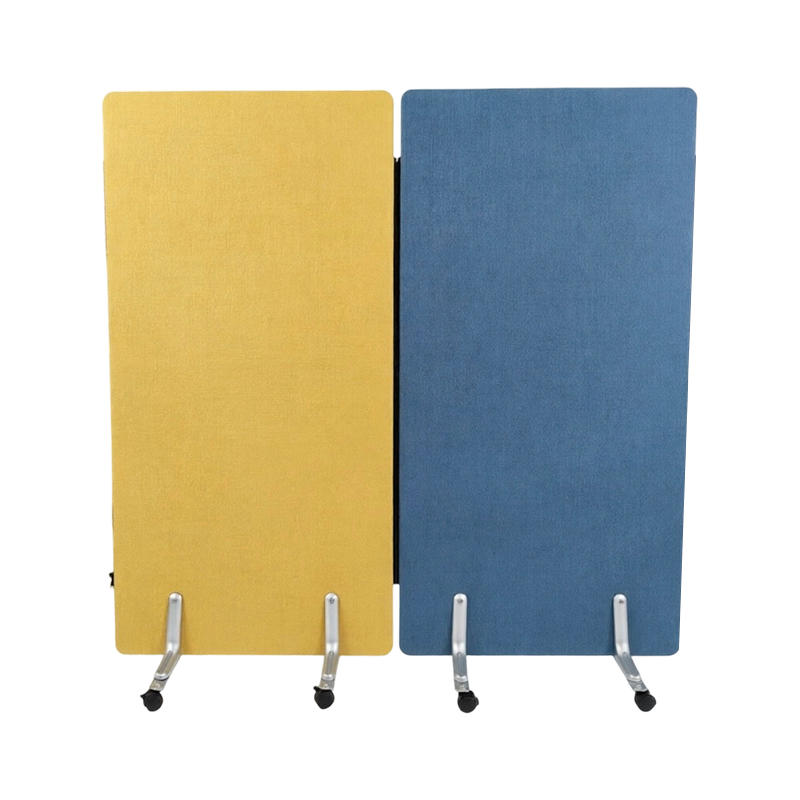 Wholesale Soundproof office partition with casters, zippered office partition SuYayin New Materials Jiangsu Co.,Ltd. Is China Wholesale Soundproof office partition with casters, zippered office partition Suppliers, Fa...View Product →
What to Verify Before You Commit: NRC, Fire Class, and Emissions
Whichever product you choose, verify the data behind it. For panels, the number that matters most is the NRC. For partitions, check that the same NRC applies to the core and confirm the height and width of the actual unit, because a 1200 mm-high screen simply cannot absorb as much as a panel mounted across a full wall. The comparison only makes sense when the treated area is similar.
- NRC 0.85 or above for a polyester fiber product means the core will visibly reduce reverberation in a typical room.
- ASTM E84 Class A, EN13501-1 Class B, or UL723-2018 Class A fire ratings cover the main commercial markets.
- E0 formaldehyde release matters for schools, clinics, and meeting rooms where indoor air quality is part of the specification.
A recycled PET felt core with needle-punched construction delivers these figures without the fiberglass irritation of conventional boards, and the same material can be used on panels, partitions, desk screens, and writing boards, which keeps maintenance and replacement simple over the life of the office.
Put the Comparison Back into Your Project
The difference between acoustic panels and acoustic office partitions is not about which product is stronger; it is about where sound enters the problem. If your complaint is echo, reverberation, and unclear speech anywhere in the room, start with acoustic panels on walls and ceilings. If your complaint is distractions, overheard calls, and missing visual privacy between desks, start with partitions at the workstation. Define the dominant problem first, then specify both in the same material when both complaints exist. That approach costs less than trial and error and gives the acoustics budget a measurable return.


