


 English
 Español
 عربى
عربى
 中文简体
中文简体




+86-180 3665 1199
Content
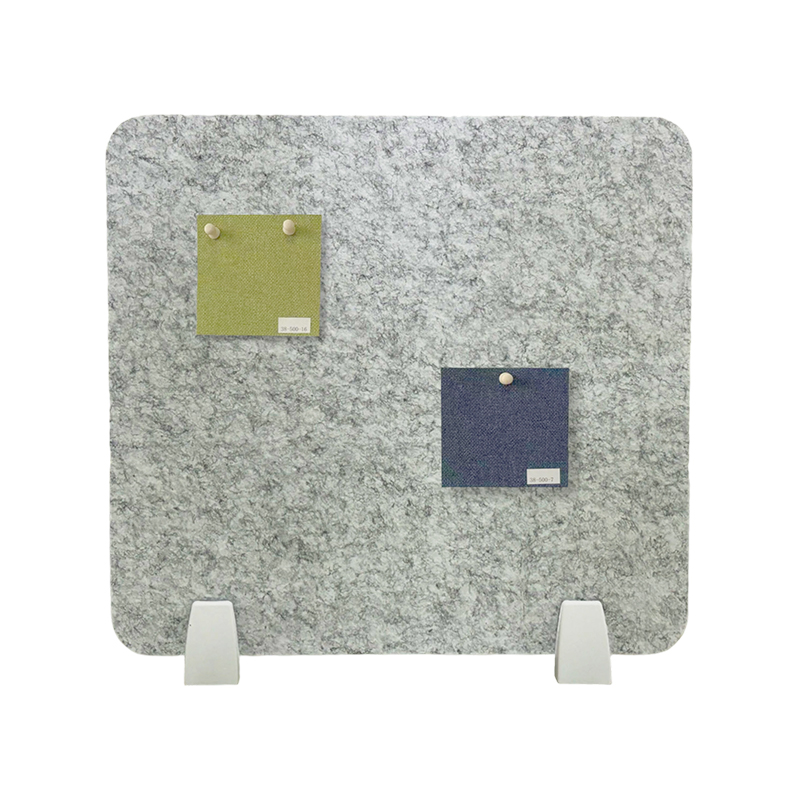
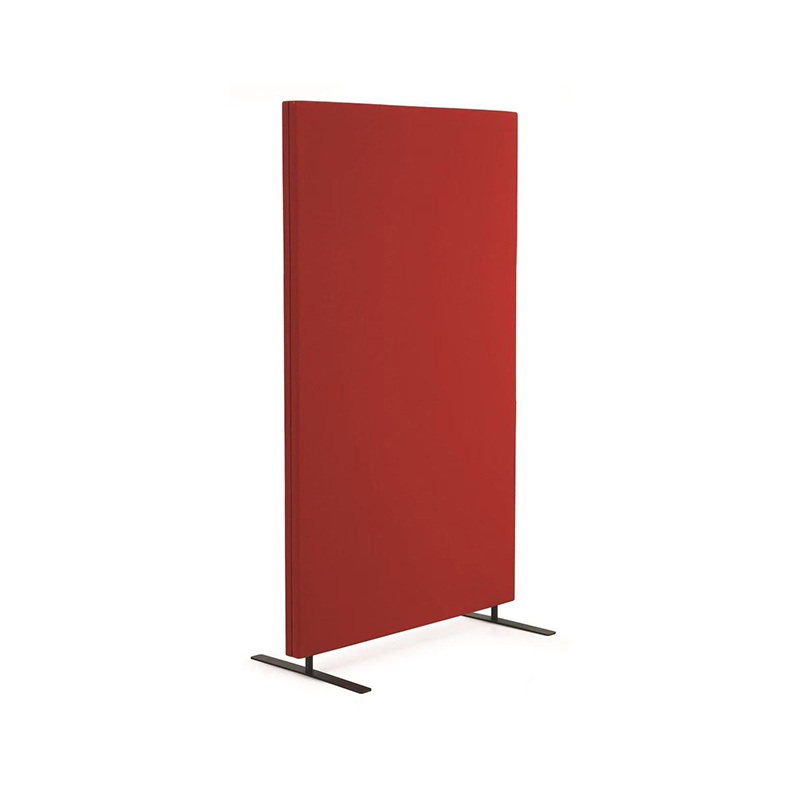
In the modern architectural landscape, the open-plan office has become a standard for collaboration, yet it frequently suffers from acoustic "pollution"—reverberation, echo, and intrusive background noise. To mitigate these challenges, engineers and facility managers are increasingly turning to acoustic PET panels. These sustainable, polyester-based solutions provide a high-performance alternative to traditional mineral wool. Yayin New Materials Jiangsu Co., Ltd., headquartered in Lianyungang with over 30,000 square meters of production space, specializes in the research and manufacture of carbon-neutral polyester fiber sound-absorbing materials. By utilizing needle-punched non-woven technology, we transform recyclable polyester into environmentally friendly panels that offer a unique synergy of sound absorption, flame retardancy, and decorative appeal.

Understanding the Noise Reduction Coefficient (NRC)
The effectiveness of any acoustic material is quantified by its Noise Reduction Coefficient (NRC), a scalar representation of the amount of sound energy absorbed upon striking a surface. An NRC of 0.0 indicates total reflection, while an NRC of 1.0 indicates total absorption. For acoustic PET panels, the rating typically falls between 0.70 and 0.95. According to the 2025 Global Acoustic Panel Market Outlook by Research and Markets, the demand for PET felt panels has surged by 28% in LEED-certified projects, largely because they can achieve an NRC of 0.85 while maintaining superior fire safety ratings. This high-efficiency absorption is critical in commercial environments where speech clarity and focus are paramount.
Source: Research and Markets - Acoustic Panel Market Report 2025
Performance Comparison: PET vs. Conventional Materials
While mineral wool has historically been used for its absorption, fire rated acoustic pet boards for commercial use offer a cleaner, non-toxic installation without the risk of fiber shedding. Furthermore, PET panels reach an NRC of 0.85+ through high-density needle-punching, rivaling bulkier alternatives.
| Material Property | Traditional Mineral Wool | Acoustic PET Panels (Yayin High-Density) |
| NRC Rating (9mm - 12mm) | 0.60 - 0.75 | 0.80 - 0.95 (High Performance) |
| Formaldehyde Emission | Variable (Often contains binders) | E0 Level (Environmentally Safe) |
| Flame Retardancy | Class A | ASTM E84 Class A / EN13501-1 Class B |
| Installation Aesthetic | Requires fabric wrapping | Decorative, exposed finish (3D textures available) |
Efficacy in Reducing Office Noise and Echo
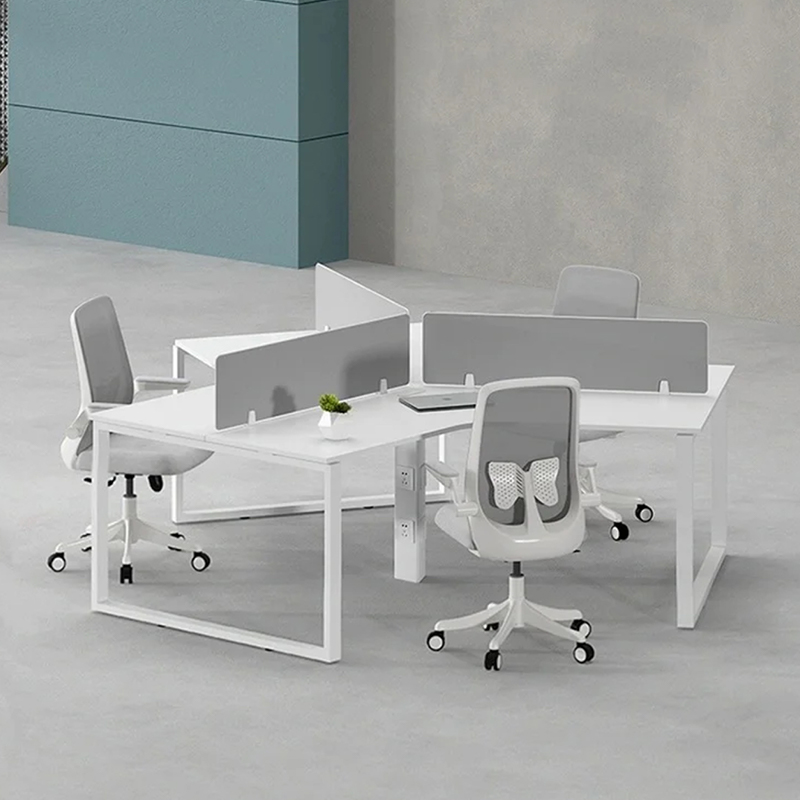
In an office setting, noise typically originates from human speech (mid-frequency) and HVAC systems (low-frequency). Acoustic PET panels are specifically engineered to target the 250 Hz to 2000 Hz range where human speech is concentrated. Data from Intel Market Research (2025) indicates that advanced needle-punching techniques now produce denser fiber matrices that maintain an NRC of 0.95 even in thinner profiles, which is essential for space-constrained urban offices. By installing sound absorbing pet felt panels for office walls, companies can reduce reverberation time—the "echo" effect—by up to 60%, leading to a measurable increase in employee concentration and a reduction in stress levels.
Source: Intel Market Research - Polyester Fiber Acoustic Wall Panels Market 2025-2032
Impact on Office Productivity and Wellness
The actual noise reduction experienced is a result of the panel's ability to dissipate sound energy through friction within the porous polyester structure. Compared to bare drywall, which reflects nearly all sound, eco friendly polyester acoustic panels for schools and offices transform sound waves into low-grade heat, effectively "deadening" the room to a comfortable baseline.
| Acoustic Environment | Untreated Open Office | Office with Acoustic PET Panels |
| Reverberation Time (RT60) | > 1.5 seconds (High Echo) | 0.5 - 0.8 seconds (Optimal Clarity) |
| Speech Privacy | Low (Sound carries across rooms) | High (Localized sound absorption) |
| Background Noise Level | 70 - 75 dB (Distracting) | 45 - 55 dB (Conducive to work) |
Technical Excellence and Global Compliance
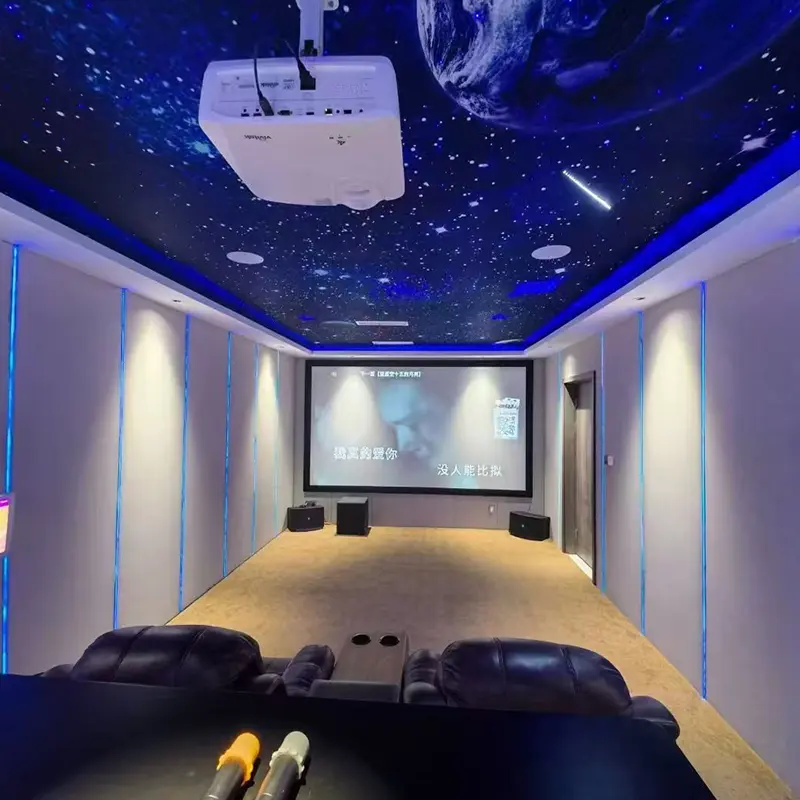
At Yayin New Materials, our commitment to technical precision ensures that our recycled polyester fiber soundproofing panels meet the most stringent international standards. Beyond just absorption, the safety profile of the material is paramount for B2B procurement. Our panels achieve the A level of the US standard ASTM E84 and the A level of the EU standard UL723-2018. We operate under ISO9001 and ISO14001 certifications, ensuring that our wholesale acoustic pet panels for architects are not only high-performing but also sustainable and safe for high-traffic environments like hospitals, schools, and corporate headquarters.
- Carbon Neutral Production: We utilize recyclable polyester materials to reduce environmental impact.
- Needle-Punched Technology: This process ensures a porous structure for maximum sound dissipation.
- Multi-Factor Protection: Our panels are sound-absorbing, flame-retardant, and heat-insulating.
- Global Reach: With 30,000 square meters of production area, we serve clients across all continents with consistent quality.
Frequently Asked Questions (FAQ)
1. Is an NRC of 0.85 enough for a busy call center?
Yes. An NRC of 0.85 means the panel absorbs 85% of the sound energy hitting it. For busy environments, using sound absorbing pet felt panels for office walls in combination with ceiling baffles can create a significant "quiet zone."
2. Do acoustic PET panels emit any harmful chemicals?
Our panels are tested to reach the E0 level of formaldehyde emission, which is the highest international safety standard. These eco friendly polyester acoustic panels for schools are non-toxic and skin-friendly.
3. Can these panels be used for fire-sensitive areas?
Absolutely. Yayin panels are fire rated acoustic pet boards for commercial use, achieving ASTM E84 Class A (US) and EN13501-1 Class B (EU) ratings, making them suitable for any public building.
4. How do these panels handle moisture or humidity?
Unlike mineral wool or fiberglass, polyester fiber is resistant to insects, mold, and moisture. This makes recycled polyester fiber soundproofing panels ideal for humid climates without worrying about warping or sagging.
5. Are custom colors and shapes available for large projects?
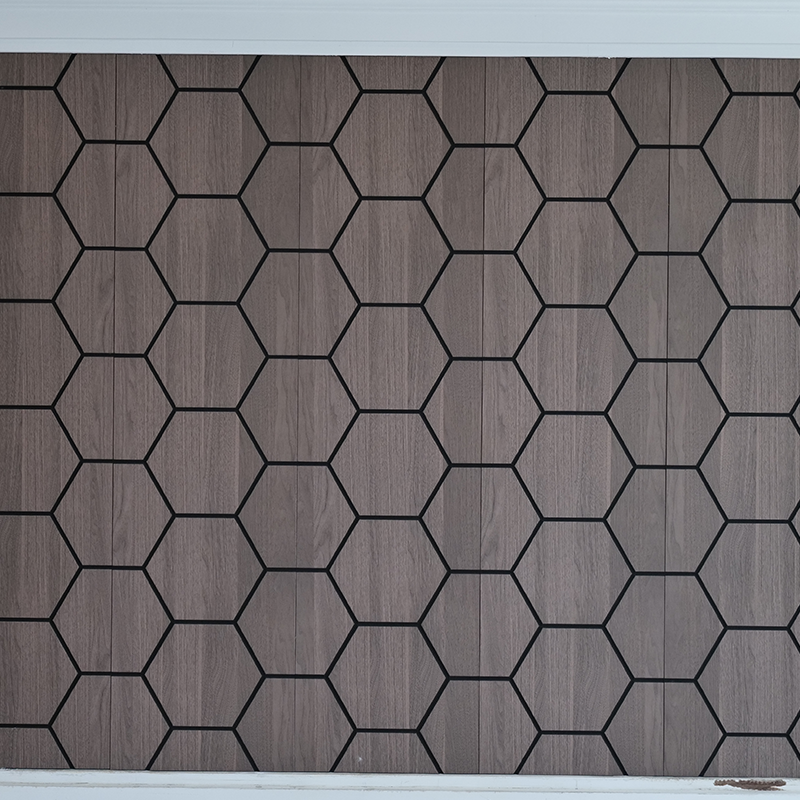
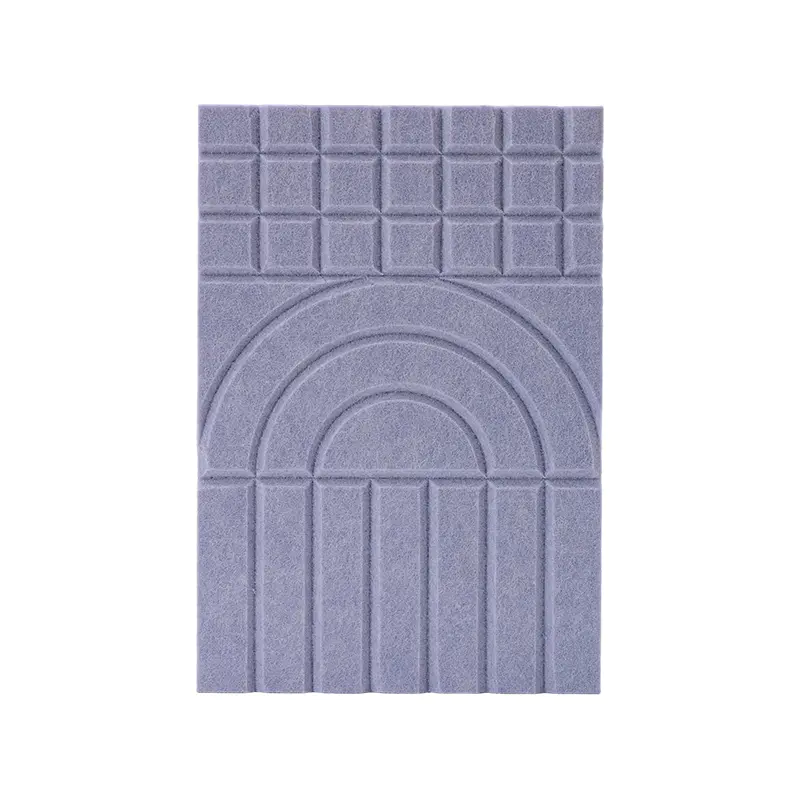
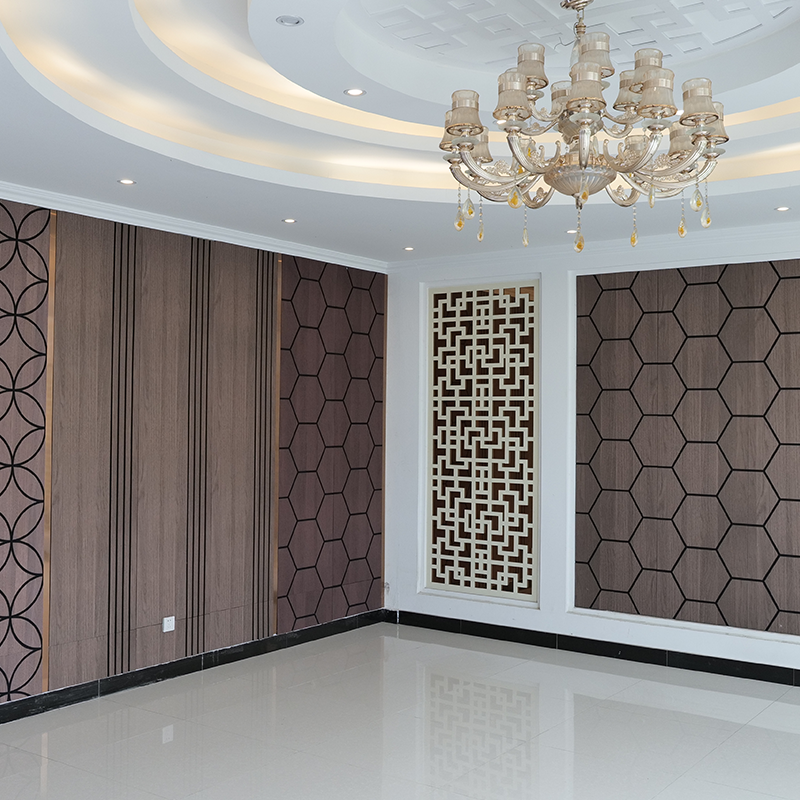
Yes, Yayin offers wholesale acoustic pet panels for architects with full customization options. Because we use needle-punched non-woven technology, the panels can be laser-cut into various geometric shapes and patterns without fraying.


