


 English
 Español
 عربى
عربى
 中文简体
中文简体





+86-180 3665 1199
Content
- 1 What Are Eco Friendly Acoustic Panels and How Do They Work?
- 2 Why Are Eco Friendly Acoustic Panels Becoming Popular in Modern Interiors?
- 3 What Are the Key Benefits of Eco Friendly Acoustic Panels?
- 4 How Do Eco Friendly Acoustic Panels Improve Indoor Environments?
- 5 What Materials Are Commonly Used in Eco Friendly Acoustic Panels?
- 6 Where Are Eco Friendly Acoustic Panels Commonly Used?
- 7 How Do Eco Friendly Acoustic Panels Support Green Building Development?
- 8 How Do Eco Friendly Acoustic Panels Compare With Traditional Acoustic Materials?
- 9 What Factors Should Buyers Consider When Choosing Eco Friendly Acoustic Panels?
- 10 How Are Eco Friendly Acoustic Panels Manufactured?
- 11 What Are the Future Trends of Eco Friendly Acoustic Panels?
Open-plan offices, busy classrooms, and echo-heavy retail spaces all share the same complaint: sound bounces around unchecked until a room feels loud even when nobody is shouting. Eco friendly acoustic panels solve that problem while sidestepping the environmental cost of conventional foam and mineral-fiber treatments, which is exactly why architects and interior designers keep specifying them for projects that need to sound as good as they look.
What Are Eco Friendly Acoustic Panels and How Do They Work?
Acoustic panels are materials engineered to absorb sound waves rather than let them reflect off hard surfaces. As sound energy hits the panel surface, its porous or fibrous internal structure converts that energy into small amounts of heat instead of bouncing it back into the room, which is what reduces echo and background noise buildup.
The eco friendly variety applies that same absorption principle while sourcing materials with a lighter environmental footprint — recycled fibers, natural materials, or recyclable polymers in place of conventional foam. The result is a panel that improves indoor acoustic comfort while also answering the sustainability expectations modern building projects increasingly carry.
Why Are Eco Friendly Acoustic Panels Becoming Popular in Modern Interiors?
Healthier indoor environments, quieter workplaces, and sustainable material sourcing have converged into a single specification requirement on most modern interior projects.
Three trends are pushing demand at once. Building occupants and employers alike are paying closer attention to indoor environmental quality, sustainable construction has moved from a preference to an expectation on many commercial projects, and open floor plans have made workplace acoustics a design problem that can no longer be ignored. Eco friendly acoustic panels answer all three at once, combining functional sound control with a material story that fits a building's broader sustainability goals.
What Are the Key Benefits of Eco Friendly Acoustic Panels?
Improved Acoustic Comfort
Reducing echo and controlling background noise creates spaces that feel calmer and easier to communicate in, whether that is a boardroom or a busy classroom.
Sustainable Material Advantages
Choosing environmentally conscious materials supports broader green building goals without asking a project to compromise on acoustic performance.
Decorative Value
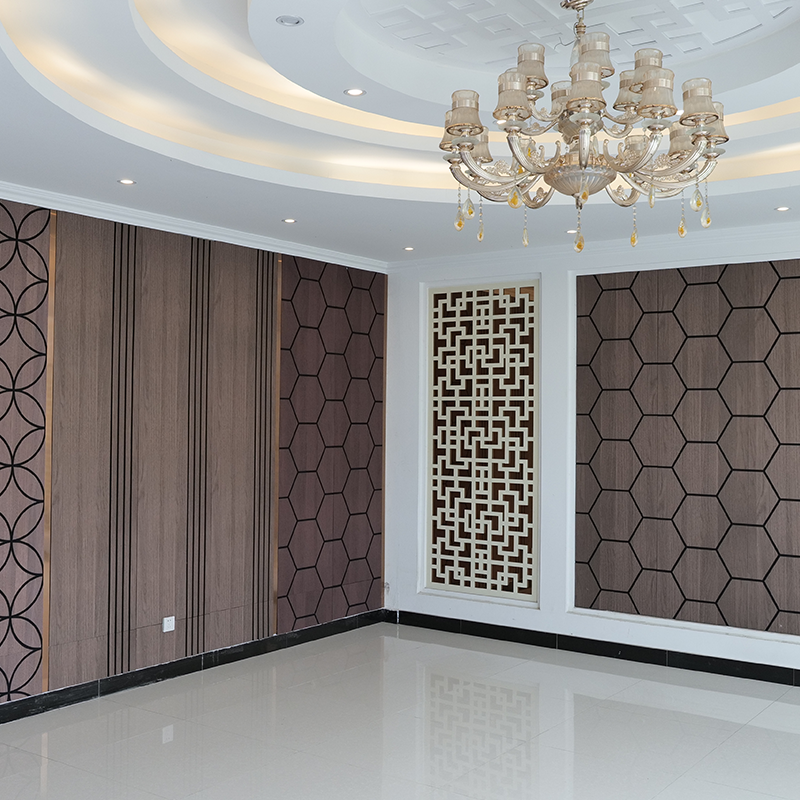
Modern acoustic panels double as design elements, enhancing a room's appearance while quietly doing their acoustic job in the background.
Easy Installation
A lightweight structure makes these panels straightforward to mount across a wide range of wall and ceiling configurations.
How Do Eco Friendly Acoustic Panels Improve Indoor Environments?
Better acoustics change how a room functions day to day. Reduced background noise improves speech clarity, which makes meetings and lessons easier to follow without people needing to raise their voices. Quieter environments also support concentration, helping occupants focus for longer stretches without the fatigue that comes from constant background noise.
These improvements show up most clearly in offices, meeting rooms, educational spaces, and other public areas where a large number of people share the same acoustic environment throughout the day.
What Materials Are Commonly Used in Eco Friendly Acoustic Panels?
Recycled Fiber
Resource-efficient and lightweight, with sound absorption performance that rivals conventional materials.
Natural Fiber
Offers a natural appearance alongside genuinely environmentally friendly material characteristics.
Wood-Based
Brings a warm texture that suits decorative applications where the panel itself becomes a design feature.
PET-Based
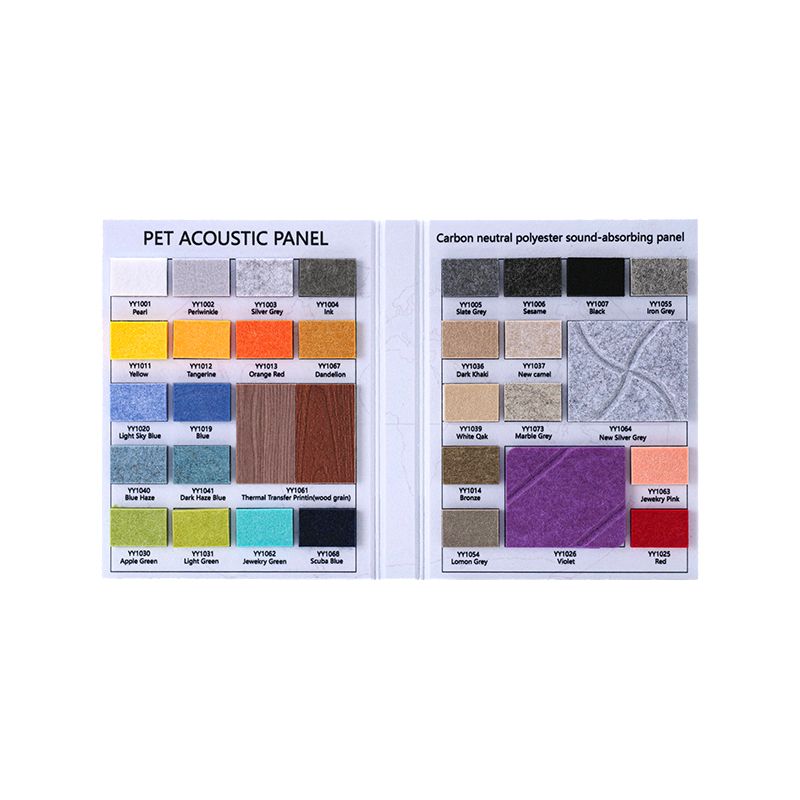
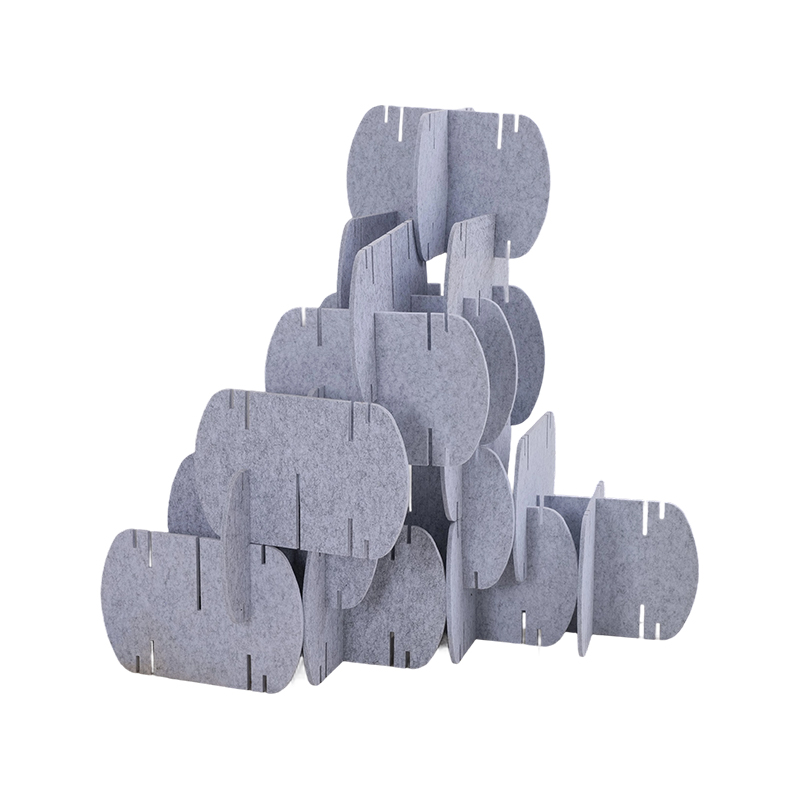
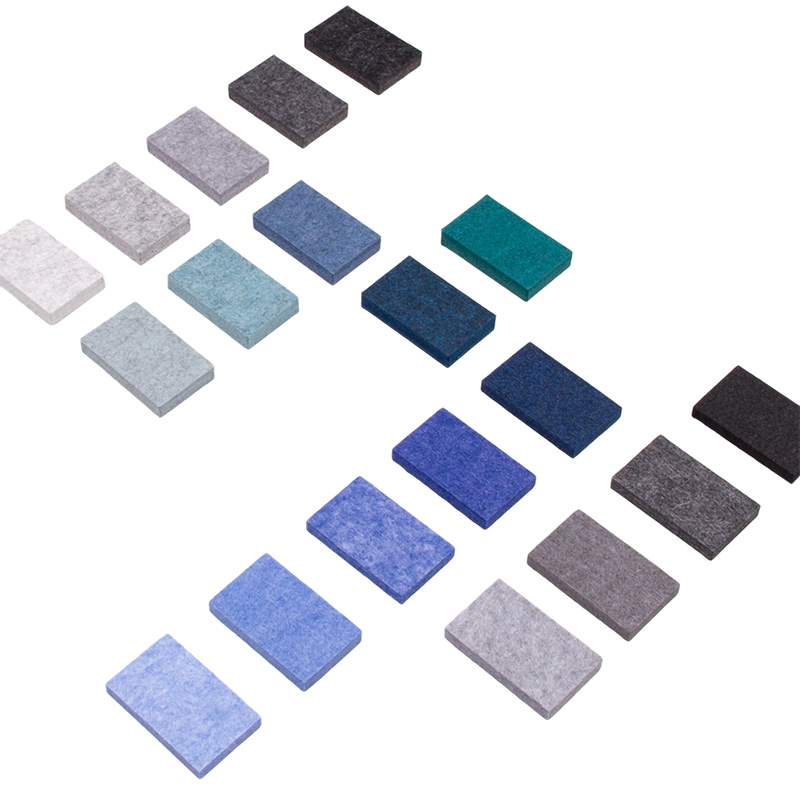
Recyclable and available in a wide range of shapes and colors, supporting flexible design outcomes.
Where Are Eco Friendly Acoustic Panels Commonly Used?
Office Spaces
Open offices, meeting rooms, and collaboration areas all benefit from reduced noise buildup during busy working hours.
Commercial Spaces
Hotels, restaurants, and retail environments use acoustic panels to manage noise while contributing to a room's overall design character.
Educational Buildings
Classrooms and libraries depend on controlled acoustics to support both concentration and clear communication.
Residential Interiors
Home offices and entertainment rooms increasingly use the same acoustic treatments once reserved for commercial projects.
How Do Eco Friendly Acoustic Panels Support Green Building Development?
Sustainable acoustic materials contribute directly to a building's broader environmental performance, supporting sustainable design goals while reducing reliance on conventional, higher-impact materials. Choosing panels made from recycled or natural fibers also improves indoor environmental quality, aligning acoustic treatment with the same green building requirements a project applies to its structural and finishing materials.
How Do Eco Friendly Acoustic Panels Compare With Traditional Acoustic Materials?
Eco Friendly Acoustic Panels
- Sustainable material sourcing
- Modern, design-forward appearance
- Flexible design possibilities
Traditional Acoustic Materials
- Conventional manufacturing methods
- Established performance track record
- Different design and finish options
The right choice ultimately depends on a project's environmental requirements, design goals, and specific acoustic targets, since both material categories can deliver strong sound absorption when specified correctly.
What Factors Should Buyers Consider When Choosing Eco Friendly Acoustic Panels?
| Factor | Why It Matters |
| Material composition | Determines both sustainability credentials and sound absorption behavior |
| Sound absorption performance | Should match the acoustic goals of the specific room |
| Panel thickness | Thicker panels generally absorb a broader range of frequencies |
| Fire resistance | A critical requirement for most commercial installations |
| Installation method | Affects project timeline and long-term maintenance |
| Design options | Color, shape, and texture choices should fit the interior concept |
| Environmental certifications | Verifies sustainability claims against recognized standards |
How Are Eco Friendly Acoustic Panels Manufactured?
1 Material Selection
2 Fiber Processing
3 Panel Forming
4 Surface Finishing
5 Quality Inspection
Quality control follows the panel through each stage of production. Sound absorption testing confirms acoustic performance meets specification, dimensional accuracy checks verify the panel will install cleanly, appearance inspection catches surface or color inconsistencies, and durability testing confirms the panel will hold up to years of everyday use.
 |
|
What Are the Future Trends of Eco Friendly Acoustic Panels?
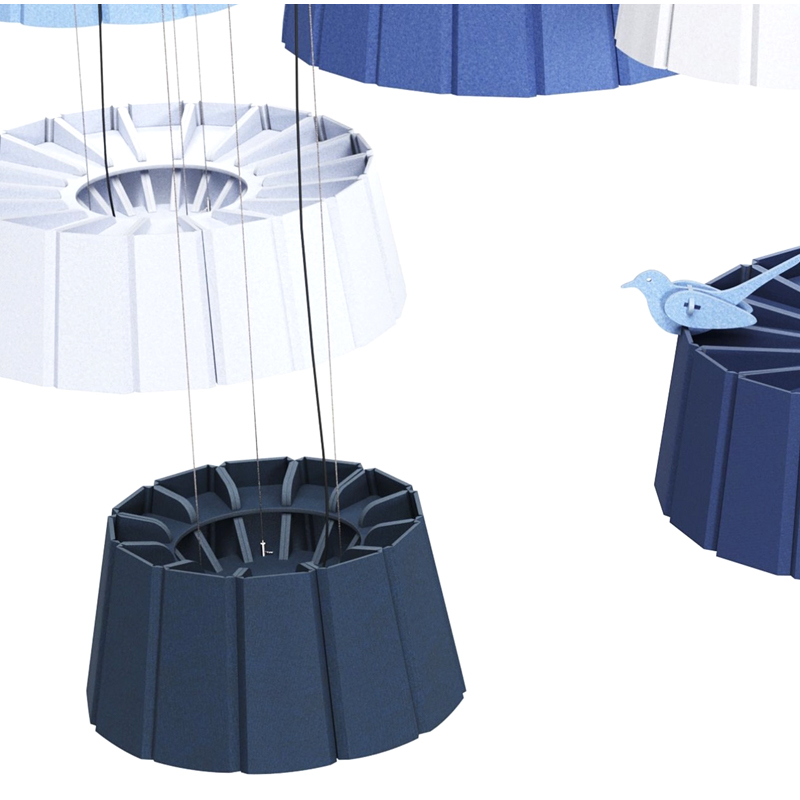
Expect a continued shift toward more recyclable materials as manufacturers refine fiber processing techniques. Customized acoustic designs are becoming more accessible, letting architects specify shapes and finishes tailored to a specific project rather than choosing from standard catalog options. Multifunctional products that combine acoustic performance with other benefits, such as improved lighting diffusion or added surface texture, are also gaining ground as the industry works to integrate aesthetics and performance more tightly.
- Define the target sound absorption performance for each room type
- Confirm fire resistance requirements against local building codes
- Shortlist material types that align with the project's sustainability goals
- Request environmental certification documentation before final specification
- Coordinate panel design with the broader interior finish palette


