


 English
 Español
 عربى
عربى
 中文简体
中文简体



+86-180 3665 1199
Content
- 1 What Are Eco Friendly Acoustic Panels and How Do They Work?
- 2 Why Are Eco Friendly Acoustic Panels Effective for Sound Control?
- 3 Where Are Eco Friendly Acoustic Panels Used?
- 4 Key Advantages of Eco Friendly Acoustic Panels
- 5 Materials Used in Eco Friendly Acoustic Panels
- 6 Eco Friendly Acoustic Panels Compared with Traditional Sound Control Materials
- 7 Factors to Consider When Choosing Eco Friendly Acoustic Panels
- 8 Future Trends of Eco Friendly Acoustic Panels in Building Design
- 9 Frequently Asked Questions
An eco friendly acoustic panel converts sound energy into small amounts of heat as it passes through a porous or fibrous core, reducing reverberation and reflected noise inside a room. Unlike foam-based products built on petrochemical inputs, these panels are made from recycled fiber, wood fiber, or fabric-wrapped composites, delivering measurable sound control without the environmental cost of traditional materials.
What Are Eco Friendly Acoustic Panels and How Do They Work?
An eco friendly acoustic panel is a rigid or semi-rigid board, typically 25 to 50 millimeters thick, mounted to a wall or ceiling to intercept airborne sound waves before they bounce back into a space. The core traps sound energy in thousands of interconnected air pockets, converting acoustic vibration into negligible heat through friction.
Sound absorption and soundproofing solve different problems. Absorption controls reverberation and echo within a room; soundproofing blocks sound from crossing between rooms. Most acoustic sound absorption panels handle the first job well, while mass-loaded barriers or sealed assemblies handle the second.
Why Are Eco Friendly Acoustic Panels Effective for Sound Control?
They work because the fiber density and thickness are tuned to absorb the mid and high frequencies that make speech and office noise feel harsh. A panel with an NRC of 0.80 or higher removes most of the reflected energy responsible for echo, making conversations easier to follow and lowering perceived background noise. Because the same fiber structure also regulates humidity and resists off-gassing, these panels support healthier indoor air alongside better acoustics.
01
Reduced noise reflection. High NRC ratings cut echo in hard-surfaced rooms significantly.
02
Better speech clarity. Lower reverberation time improves intelligibility in open spaces.
03
Lower material impact. Recycled and natural fiber cores replace petrochemical foam.
04
Healthier air quality. Low-VOC cores avoid the off-gassing common in older foam products.
Where Are Eco Friendly Acoustic Panels Used?
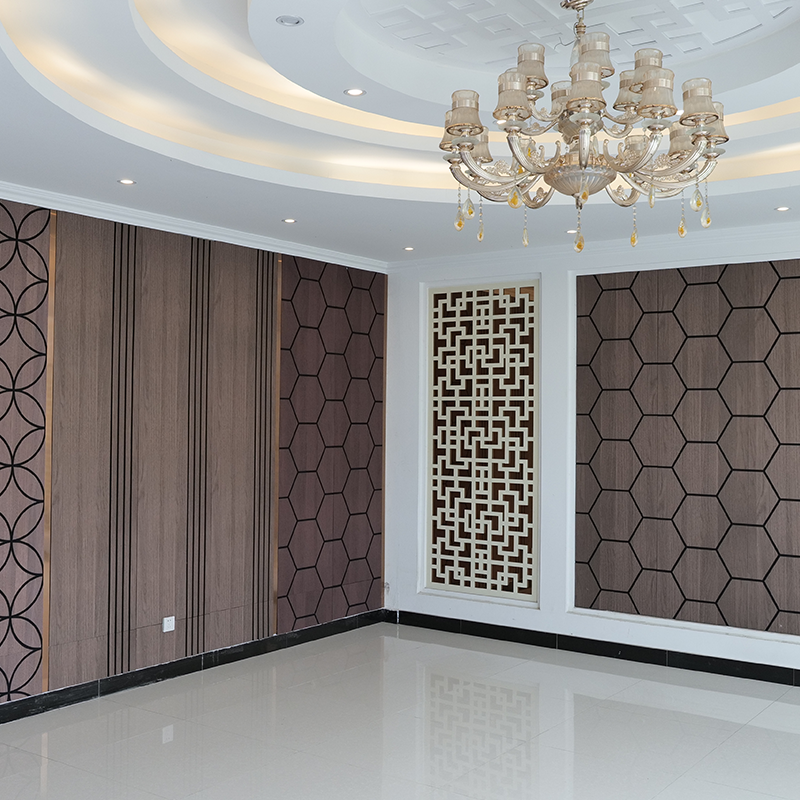
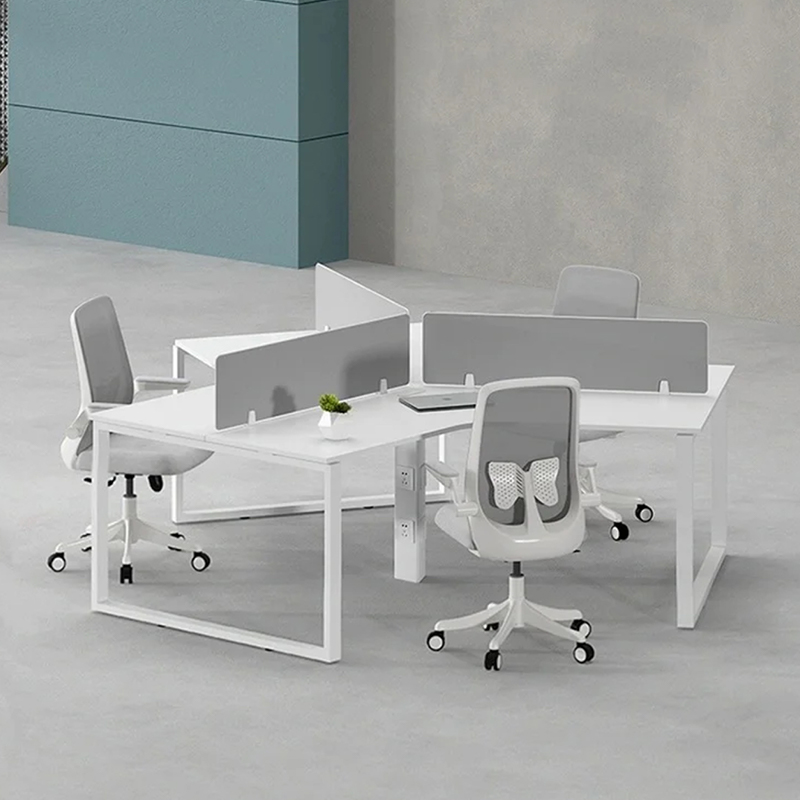
Offices install eco friendly acoustic panels on open-plan walls and ceiling baffles to cut workplace distraction. Schools rely on the same category of product to bring classroom reverberation times down to levels that support learning. Homes use fabric-wrapped panels as design features in living rooms and media spaces. Recording studios depend on thicker, denser panels tuned for critical listening, while factories and public facilities use industrial-grade boards rated for durability and fire performance.
Key Advantages of Eco Friendly Acoustic Panels
60 to 80%
Recycled fiber content in a typical panel core
2 to 4 kg
Weight of a standard one square meter panel
Under 1 hour
Average installation time per wall section
15+ years
Expected service life with normal indoor use
Materials Used in Eco Friendly Acoustic Panels
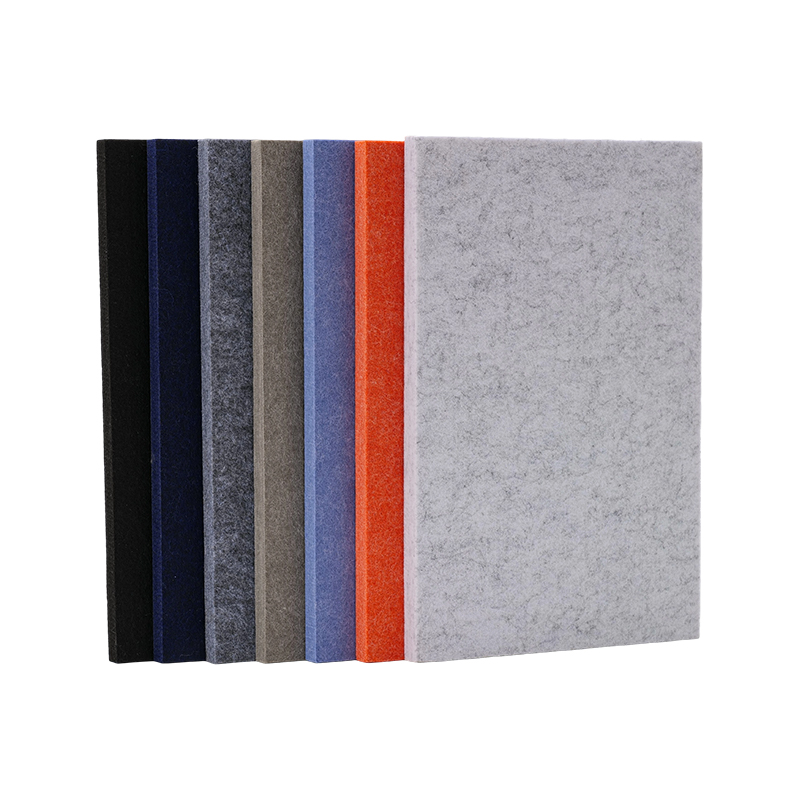
Recycled PET fiber panels, made from post-consumer plastic bottles, offer strong absorption at a light weight and are the most common core material on the market today. Wood fiber panels use compressed natural cellulose and add thermal insulation alongside sound control. Fabric-wrapped composite panels combine a fiber core with a tensioned textile face, giving designers control over color and pattern while keeping the same acoustic performance.
Eco Friendly Acoustic Panels Compared with Traditional Sound Control Materials
Choosing between fiber-based panels, mineral fiber boards, and open-cell foam comes down to three factors: absorption rating, recycled content, and indoor air impact. The comparison below outlines the practical differences.
| Material Type | Typical NRC Rating | Recycled Content | Off-Gassing Risk |
| Recycled PET Fiber Panel | 0.80 to 0.95 | 60 to 80% | Very Low |
| Mineral Fiber Panel | 0.70 to 0.85 | 10 to 30% | Low |
| Open-Cell Foam Panel | 0.75 to 0.90 | 0 to 10% | Moderate to High |
A panel's Noise Reduction Coefficient is the average percentage of sound energy it absorbs across four standard test frequencies, and it remains the single most reliable number for comparing acoustic materials before purchase.
Factors to Consider When Choosing Eco Friendly Acoustic Panels
- Confirm the NRC rating matches the reverberation problem in the specific room
- Check for recognized environmental certifications on recycled content claims
- Match panel thickness and density to the frequency range that needs control
- Review mounting options against ceiling height and wall construction
- Ask about cleaning and long-term maintenance requirements before installation
Future Trends of Eco Friendly Acoustic Panels in Building Design
Green building codes are pushing recycled content requirements higher across commercial construction, and acoustic material suppliers are responding with panels that combine higher NRC ratings with lower embodied carbon. Expect tighter integration between acoustic performance and interior design, along with continued growth in fiber-based panels replacing foam and mineral wool in new construction.
Frequently Asked Questions
Do eco friendly acoustic panels perform as well as foam panels?
Yes. Recycled fiber panels regularly match or exceed foam NRC ratings while adding lower off-gassing and higher recycled content.
How many panels does a typical room need?
Coverage of 15 to 25 percent of a room's total wall and ceiling surface area is generally enough to bring reverberation into a comfortable range.
Can these panels be painted or covered in fabric?
Fabric-wrapped composite panels accept custom textile faces, and many rigid fiber panels accept low-build acoustic paint without a meaningful drop in absorption.
Are eco friendly acoustic panels fire rated?
Most commercial-grade panels carry a Class A fire rating, making them suitable for offices, schools, and public facilities without additional treatment.


