


 English
 Español
 عربى
عربى
 中文简体
中文简体







+86-180 3665 1199
Content
Offices, classrooms, and hotels are quietly swapping synthetic foam panels for sustainable acoustic panels built from recycled fiber, reclaimed textiles, and renewable wood — proof that sound control and environmental responsibility no longer have to be a trade-off.
What Makes an Acoustic Panel Sustainable
A sustainable acoustic panel is judged on more than its sound absorption coefficient. Material source, production emissions, indoor air quality impact, and how long the panel lasts before replacement all factor into whether it earns the label. The best-performing options now match or beat traditional synthetic panels on acoustic performance while cutting environmental impact at every stage of manufacturing.
Recycled Polyester Fiber
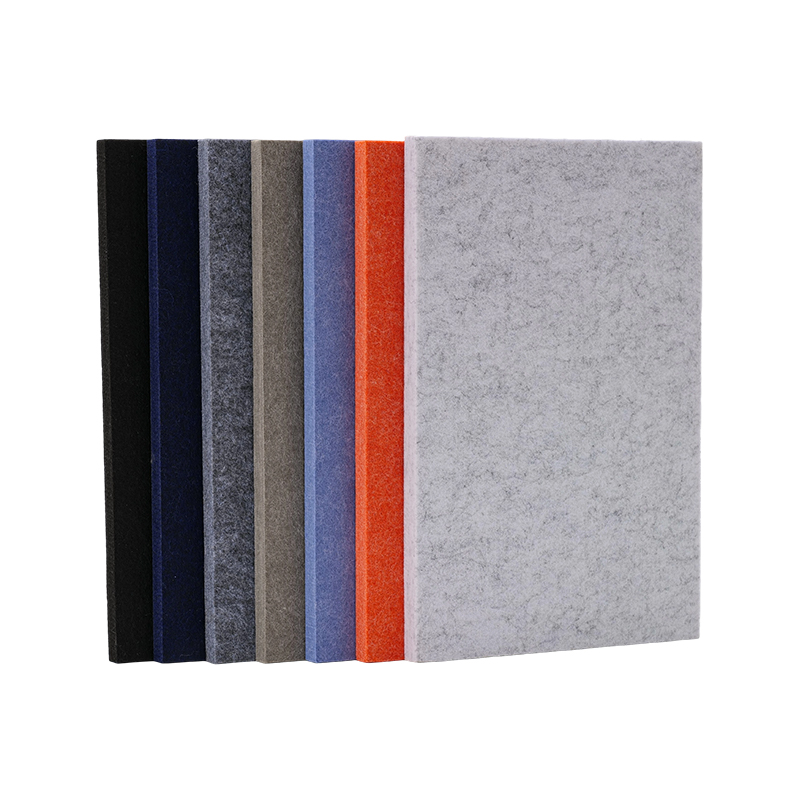
Made from recycled plastic, lightweight with excellent absorption for offices and ceilings.
Natural Fiber
Wool, hemp, and bamboo fibers bring renewable sourcing and a natural finish.
Wood-Based Panels
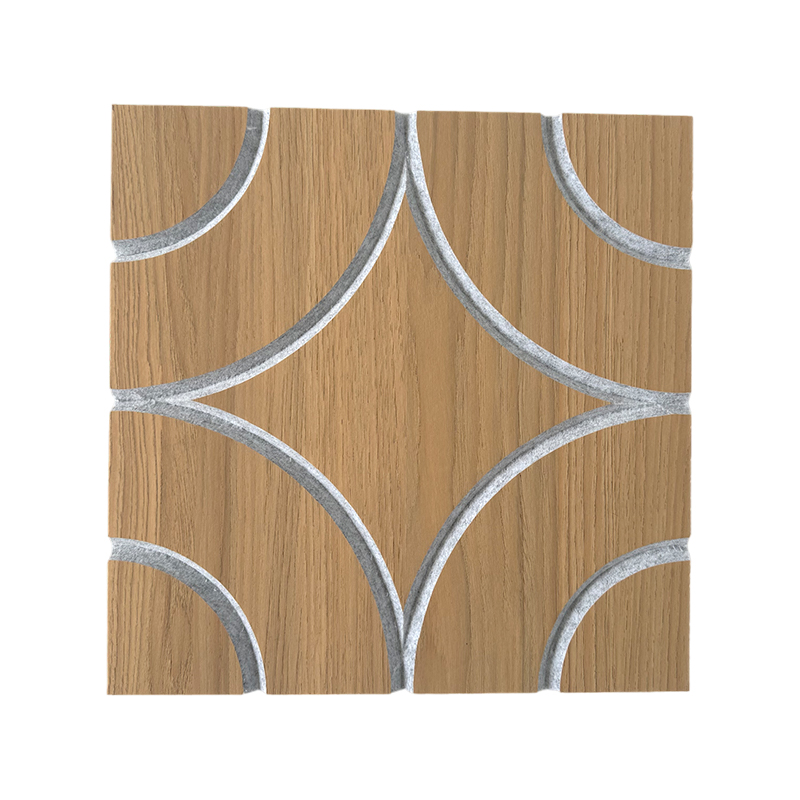
FSC-certified wood and wood wool add warmth alongside solid acoustic performance.
Recycled Textile
Diverts waste fabric from landfill while offering strong decorative flexibility.
Where Sustainable Materials Actually Improve Performance
Beyond the environmental story, these materials change what a panel can do in practice. Porous fiber structures absorb echo and background noise as effectively as synthetic foam, while low-emission production keeps chemical off-gassing to a minimum — a meaningful difference in healthcare facilities, schools, and any space where indoor air quality is closely monitored.
Sustainable vs Traditional Acoustic Panels
| Feature | Sustainable Panels | Traditional Panels |
| Material source | Renewable or recycled | Often synthetic |
| Environmental impact | Lower | Higher, material-dependent |
| Sound absorption | Excellent | Excellent |
| Indoor air quality | Often lower emissions | Depends on material |
Where These Panels Are Used
- Offices and workplaces — cutting distraction noise in open-plan and meeting spaces
- Schools and lecture halls — improving speech clarity for better learning outcomes
- Hotels and restaurants — pairing acoustic control with interior design goals
- Homes and residential interiors — reducing noise in living rooms and home theaters
- Green building projects — supporting certification and energy-efficient design targets
How Manufacturing Has Changed
Production lines increasingly run on recycled polyester fiber, reclaimed textiles, and recycled plastics instead of virgin synthetic material, cutting both waste and resource consumption. Energy-efficient equipment and optimized processes reduce manufacturing emissions, while water-based coatings and low-impact adhesives replace solvent-heavy finishes on the surface treatment side.
How to Choose the Right Panel
- Match the sound absorption coefficient to the room's frequency range and use case
- Check recycled content, renewable sourcing, and any relevant certifications
- Confirm color, texture, and shape options fit the interior design plan
- Prioritize panels built for long service life and easy cleaning
Frequently Asked Questions
Do sustainable acoustic panels perform as well as synthetic foam panels?
Yes. Materials like recycled polyester fiber and natural fiber composites achieve comparable sound absorption coefficients to standard synthetic foam panels.
Are sustainable acoustic panels more expensive?
Pricing varies by material and manufacturer, but the gap has narrowed significantly as recycled and natural fiber production has scaled up.
Can sustainable acoustic panels support green building certification?
Yes. Their renewable content, lower emissions, and reduced environmental impact often contribute directly toward green building certification requirements.
What materials offer the lowest indoor air quality impact?
Natural fiber and wood-based panels with water-based coatings and low-impact adhesives typically offer the lowest chemical emissions among current options.
As architects and designers prioritize healthier, lower-impact interiors, sustainable acoustic panels are proving that sound control and environmental responsibility can be built into the same product.
 |
 |


