


 English
 Español
 عربى
عربى
 中文简体
中文简体


+86-180 3665 1199
Content
An office, a classroom, and a recording studio all have a noise problem, but they don't have the same noise problem. Picking eco friendly acoustic panels that match the room, rather than just the budget, is what separates a space that actually sounds better from one that just looks like it should.
What Makes an Acoustic Panel Eco Friendly
These panels are built from recycled polyester fiber, natural fibers such as wool or hemp, wood-based materials, or recycled textiles, chosen specifically to cut environmental impact without giving up sound absorption. The best panels combine three things: real acoustic performance, low VOC emissions, and a manufacturing story that supports a green building certification if the project needs one.
- Effective sound absorption across the frequency range the room actually produces
- Low environmental impact from recycled or renewable raw materials
- Low VOC emissions that support healthy indoor air quality
- Lightweight, decorative panels that install without structural changes
How Sound Absorption Performance Compares by Frequency
Panel material changes how well a room controls low, mid, and high frequency sound. Recycled polyester fiber panels absorb strongly across the mid-to-high range where speech and office noise live; wood acoustic panels absorb less overall but add warmth and decorative value that fiber panels cannot match.
Illustrative Sound Absorption Coefficient by Frequency
Recycled Polyester Panel Wood Acoustic Panel
Matching Material to Application
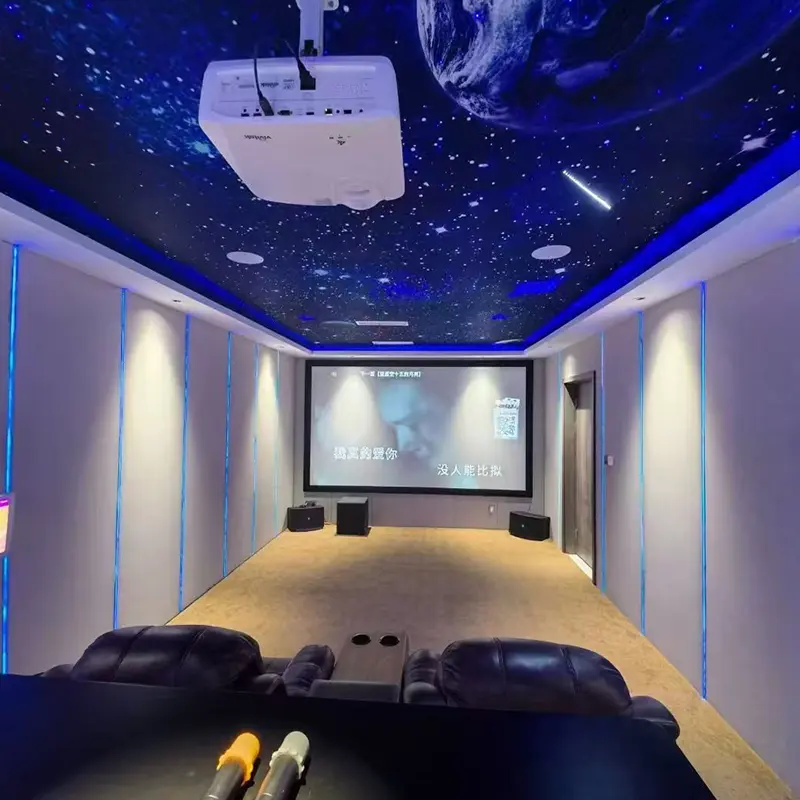
Suitability shifts by room type as much as by frequency response. A recording studio or hotel dining room asks more of a panel than an open office does, and the right choice of eco friendly acoustic panels depends on weighing appearance, durability, and absorption together rather than any single factor alone.
Recycled Polyester Panel Wood Acoustic Panel
Panel Types at a Glance
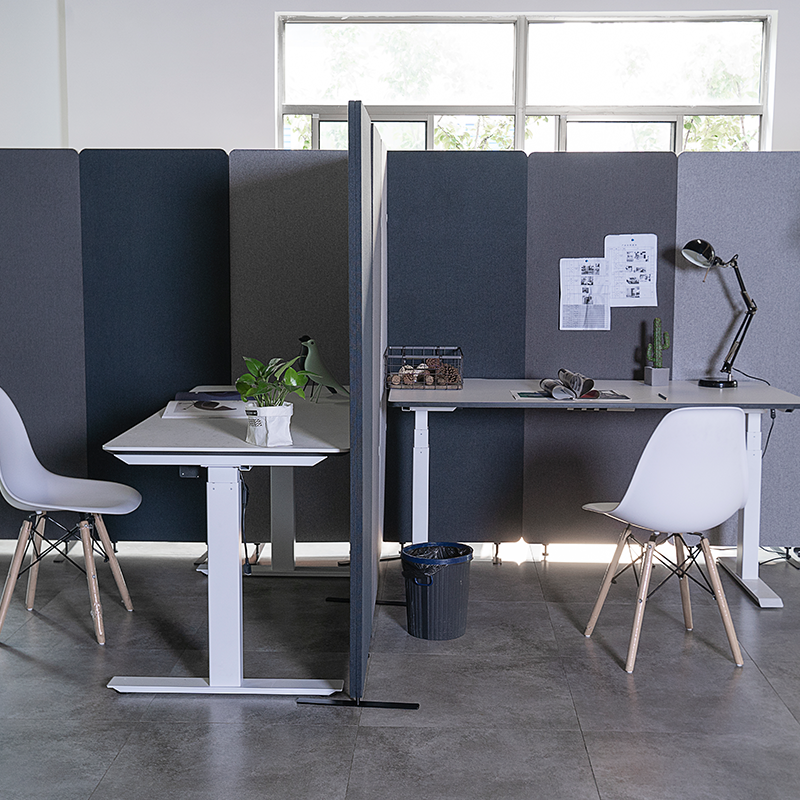
Recycled Polyester Lightweight, flexible, strong mid-to-high absorption. Best for offices and schools.
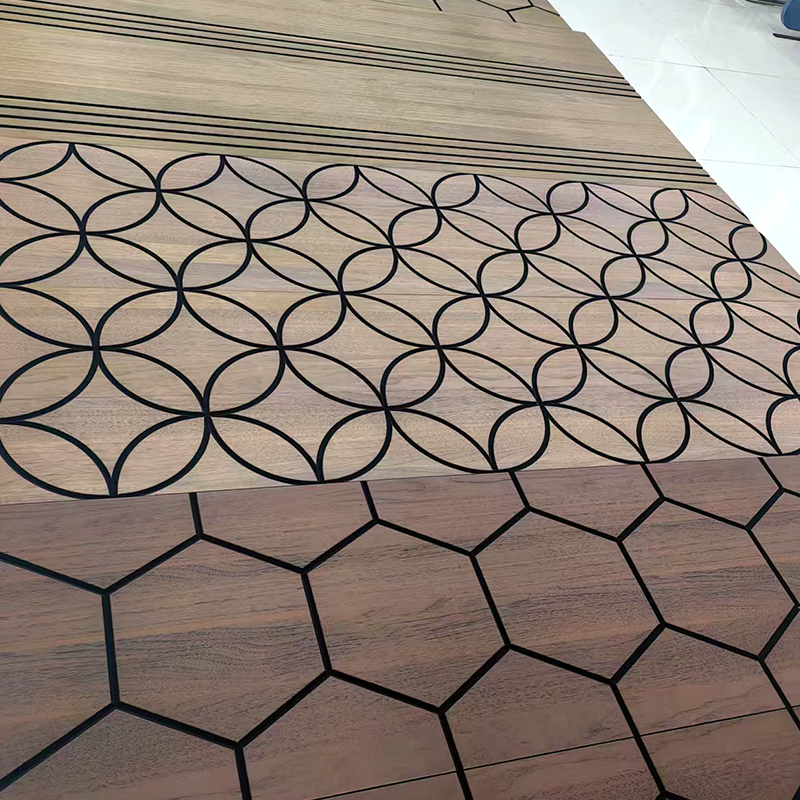
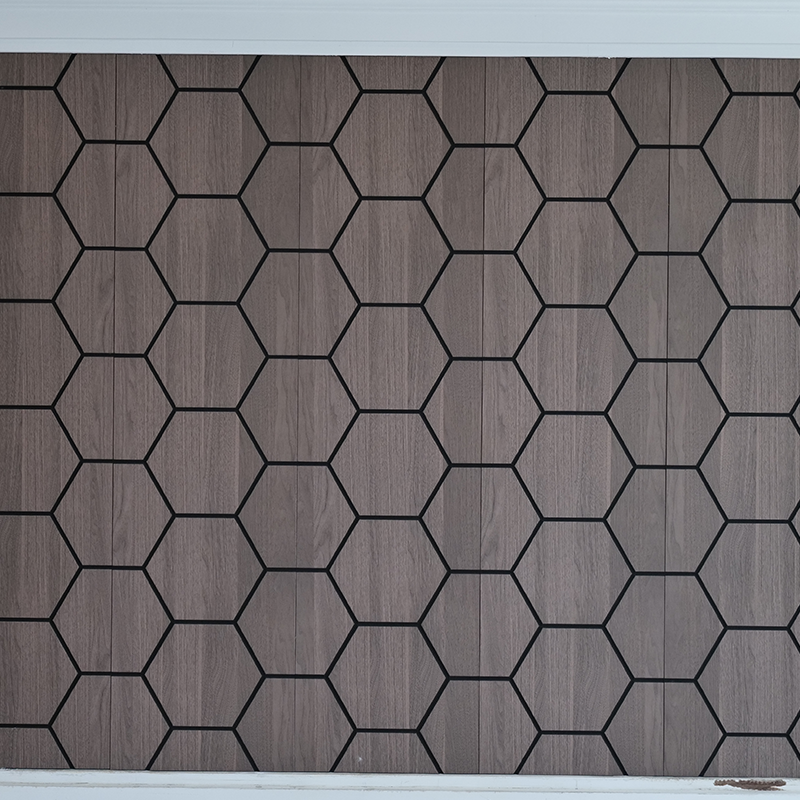
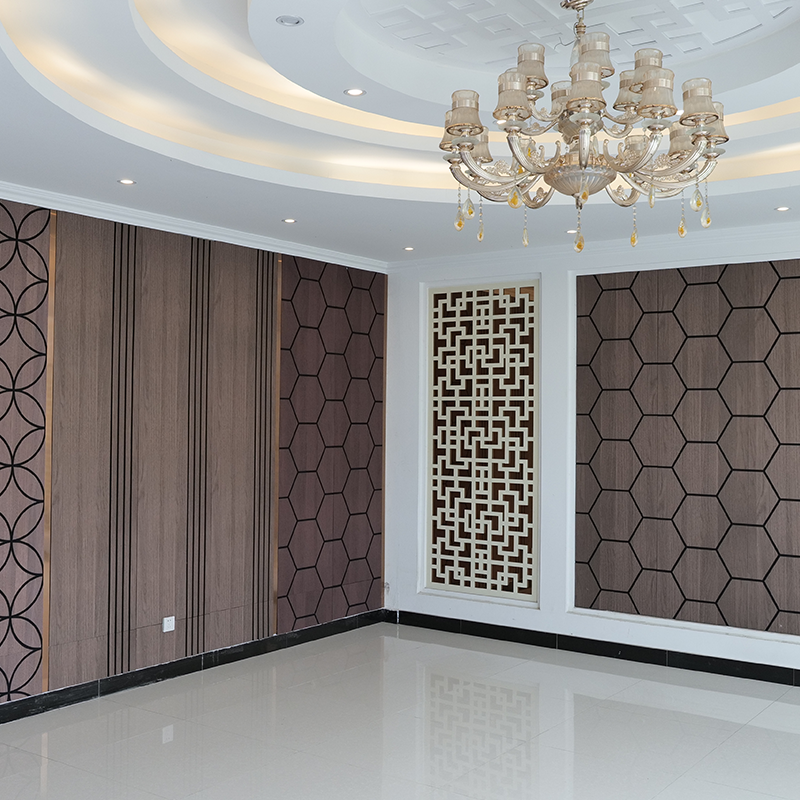
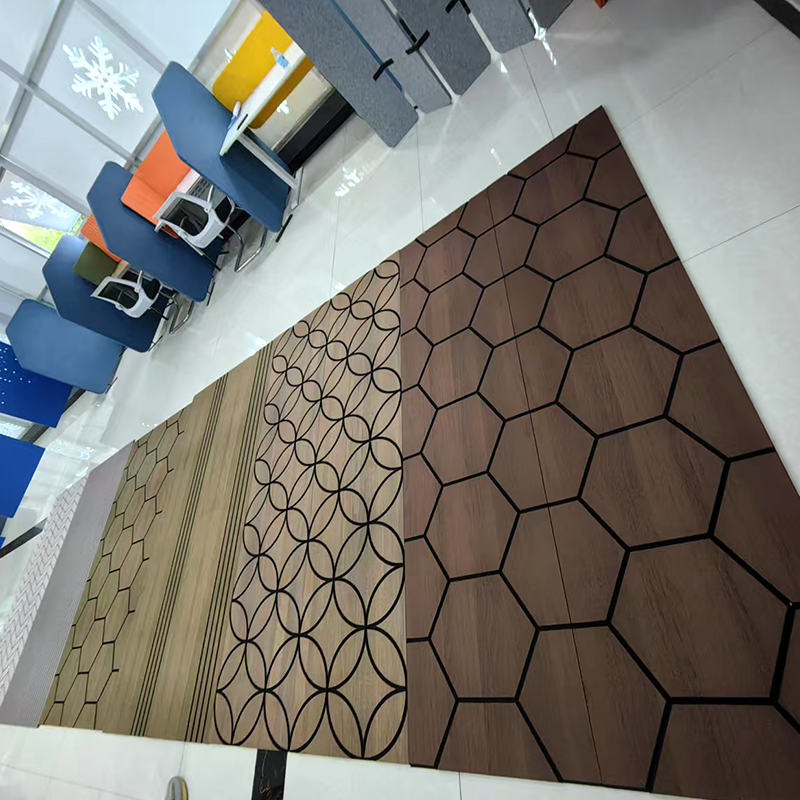
Wood Acoustic Natural, warm appearance with solid performance. Best for hotels and restaurants.
Natural Fiber Wool, hemp, or plant-based. Renewable and suited to residential projects.
Fabric Wrapped Fiber core with a fabric surface for fully custom appearance in studios and offices.
Four Steps to Choosing the Right Panel
1Evaluate absorption needs
2Assess the room environment
3Match sustainable materials
4Confirm install method
Room volume, noise sources, and reverberation time determine how many panels a space needs and where they belong. Skipping straight to appearance is the single most common reason a project ends up with attractive walls and a room that still echoes.
Common Selection Mistakes to Avoid
Appearance-first selection is the most common mistake: a beautiful panel with the wrong absorption coefficient still leaves a room noisy. Evaluate performance first, then narrow by design.
Overlooking room size and reverberation time leads to under-ordering panels or placing them where they do the least good. Ignoring sustainability credentials, meanwhile, can quietly disqualify a project from green building requirements late in the process, after materials are already ordered.
Frequently Asked Questions
What are eco friendly acoustic panels made from?
Most are made from recycled polyester fiber, natural fibers like wool or hemp, wood-based materials, or recycled textiles, chosen to lower environmental impact while still absorbing sound.
Do eco friendly acoustic panels work as well as standard panels?
Yes. Recycled and natural fiber panels can match or exceed conventional foam panels in sound absorption, particularly in the mid-to-high frequency range where most speech and office noise occurs.
Which panel type suits a recording studio?
Studios generally need thick, high-performance fiber panels with wide frequency absorption and customized placement to control echo and reflection precisely.
How many acoustic panels does a room need?
Panel quantity depends on room volume, noise sources, and current reverberation time, so it should be calculated per room rather than estimated from square footage alone.
 |
 |


