


 English
 Español
 عربى
 中文简体



+86-180 3665 1199
Content
Two 12mm acoustic desk panels side by side can reduce office speech to very different levels. The difference comes down to felt density: a 1800 gsm PET panel absorbs roughly 40% more sound energy in the speech band than a 1200 gsm panel of the same thickness. This is not a subtle tuning detail; it is the main performance variable when you compare desk screens from different suppliers. The practical consequence: ordering the cheapest panel spec can cost you 40% of the acoustic benefit you assumed you were buying.
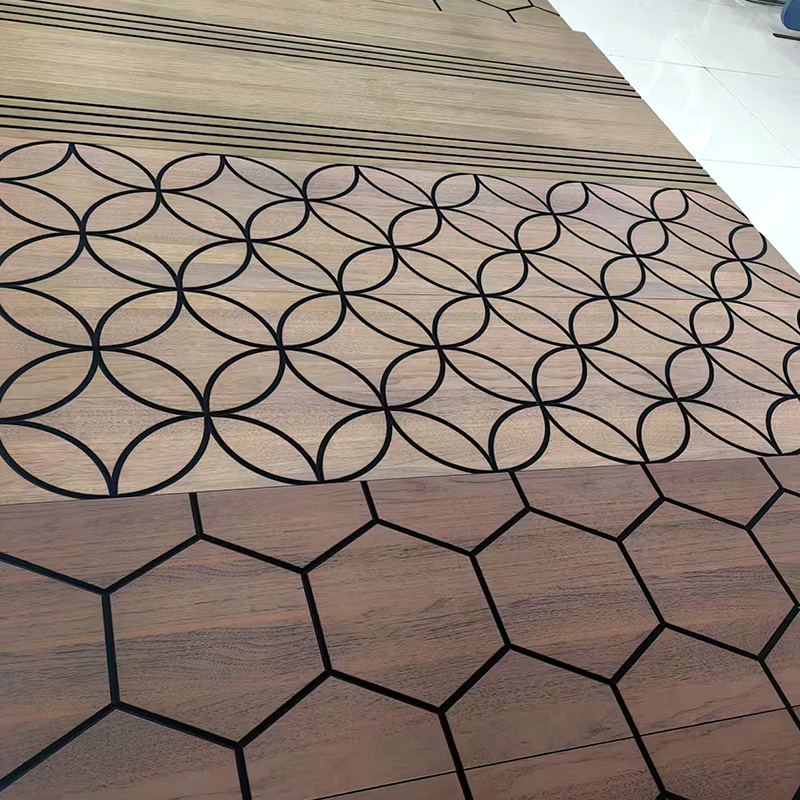
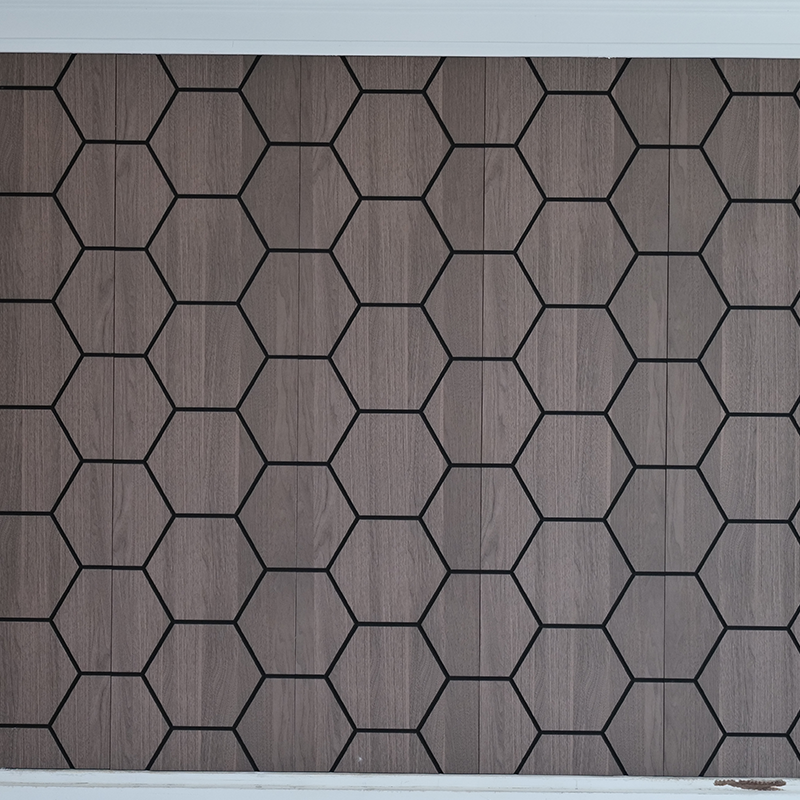
 Molded Polyester Fiber Desk Screen with Sound AbsorptionThis hot-press molded PET desk screen features a grooved surface that enhances sound absorption, reaching an NRC above 0.8 for mid-to-high frequency noise, while also providing privacy and a cork-board function.View Product →
What Material Density Actually Means in Acoustic Desk Panels
Material density in acoustic desk panels is expressed in grams per square meter (gsm) and describes how much polyester fiber felt is compressed into a given board thickness. Desk screens commonly range from 800 gsm to 2000 gsm across 9mm to 24mm thicknesses.
The physical mechanism is straightforward. Sound waves push air through the porous felt structure; a denser material creates more air resistance, which converts more incoming sound energy into small amounts of heat. This is the core reason why two panels of the same thickness can perform so differently.
Airflow resistivity is the scientific name for this effect. A felt panel at 1200 gsm has a lower airflow resistivity than the same panel at 1800 gsm, and lower resistivity means less absorption in the speech band.
The material's density affects absorption differently across the frequency range. At 500 Hz and below, airflow resistivity determines how much energy converts to heat. At 2000 Hz and above, even moderate density absorbs sound well; the differences only become hard to ignore in the 250-1000 Hz band, which is where human speech and office noise problems concentrate.
- 800-1000 gsm: light privacy screens used in low-noise zones where appearance matters more than absorption.
- 1200-1400 gsm: standard office dividers that reduce but do not eliminate nearby speech.
- 1800-2000 gsm: high-density screens that deliver measurable NRC gains and are the right choice for acoustic treatment projects.
- 2200 gsm and up: usually unnecessary for desktop use; you gain little NRC for a big jump in weight.
How Density Affects the NRC Rating
Higher density consistently increases the Noise Reduction Coefficient up to a practical ceiling of around NRC 0.85 for desktop screens. Beyond that, gains slow down because the panel becomes too dense to let sound energy penetrate deeply enough for frictional absorption.
The table below shows measured ranges from production batches of polyester fiber felt panels, and the correlation between NRC rating and office productivity explains why this matters.
| Density (gsm) | Typical Thickness | NRC Range | Best Use |
| 800-1000 | 9mm | 0.35-0.45 | Low-noise workstations, decorative privacy |
| 1200-1400 | 12mm | 0.55-0.65 | Open-plan desk dividers |
| 1800-2000 | 12mm-24mm | 0.80-0.85 | Speech-heavy areas, meeting room flanks |
NRC by felt density at 12mm
Production data from polyester fiber felt lines shows the curve clearly. Moving from 800 gsm to 1200 gsm produces a linear NRC gain; moving from 1200 gsm to 1800 gsm produces another jump; moving from 1800 gsm to 2400 gsm adds only 0.02-0.03 in NRC. The extra weight and cost are rarely justified.
Density does not affect appearance. You can order a 2000 gsm panel in the same fabric finish as an 800 gsm panel, which makes density a hidden performance upgrade rather than a design trade-off.
Density vs Thickness: What Really Drives Absorption
For desk-screen applications targeting speech frequencies, density is the dominant variable; thickness becomes more important only below 250 Hz. A 12mm panel at 1800 gsm will outperform a 24mm panel at 1000 gsm in the 500-4000 Hz range that carries office conversation.
Density-focused
Uses 12mm-18mm thickness with 1800-2000 gsm felt. Best for speech privacy in open offices and requires lighter mounting hardware than thick low-density panels.
Thickness-focused
Uses 24mm-50mm thickness with 900-1200 gsm felt. Better for low-frequency sound such as HVAC rumble, but heavier and bulkier at desk level.
Desk screens rarely have the room for a 50mm deep panel. This constraint makes density the pragmatic choice: you can fit a high-density material in a compact profile without sacrificing the NRC you need for speech privacy.
If your main problem is a loud HVAC unit or a nearby corridor, low-frequency absorption matters and a thicker panel helps. If your problem is speech from a neighboring cubicle, the noise reduction efficiency of PET desk screens depends on density, not thickness.
Choosing the Right Density for Different Office Layouts
For a standard open-office desk divider, 1800 gsm at 12mm provides the best balance of NRC, weight, and cost. This specification is the sweet spot for most office acoustics projects because it delivers an NRC of 0.80-0.85 while keeping the panel light enough for standard mounting.
- Three-person workstation bays: 1800 gsm at 12mm, with panels aimed at the speaker's direct line of sight.
- Meeting room breakout screens: 2000 gsm at 15mm, which adds margin for speech from both sides.
- Student study areas: 1400 gsm at 9mm, which balances budget with meaningful reduction in adjacent-desktop noise.
- Hybrid office floors with hot desks: 2000 gsm freestanding partitions, because users change seats and you need the highest possible absorption per square meter.
If your supplier offers a standard 1200 gsm desk screen, ask for the same design in 1800 gsm before accepting the quote. The price difference is usually small, and the acoustic improvement is substantial.
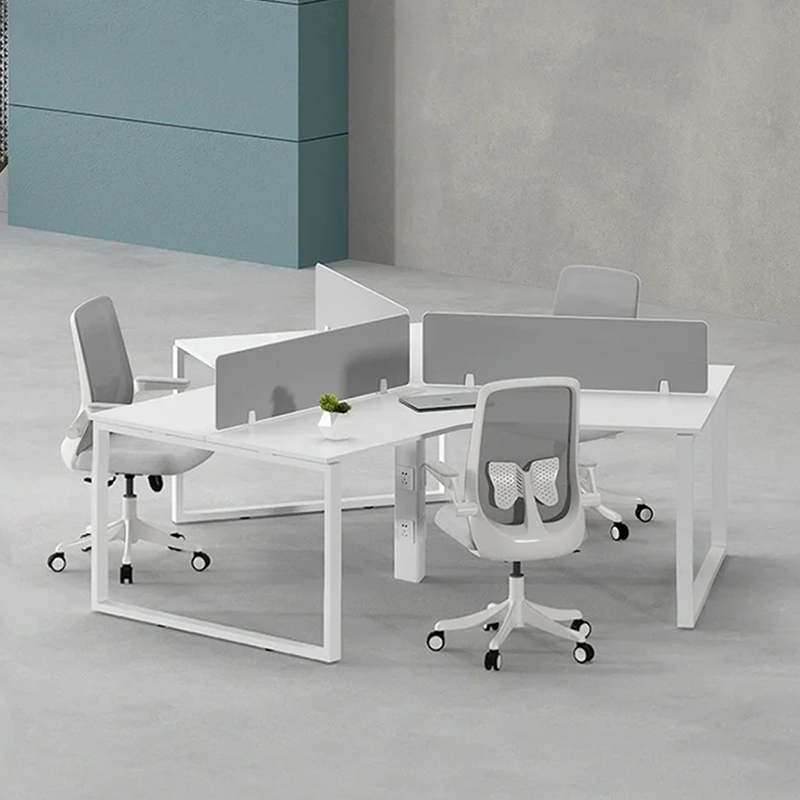
 Eco-friendly PET Desk Divider for Office PrivacyThis desk divider is made from recycled polyester felt, available in multiple thicknesses and fabric-wrapped options. It offers effective noise reduction, easy installation, and is suitable for open workspaces.View Product →
Eco-friendly PET felt at 1800 gsm is the most common specification for office desk dividers. Recycled polyester fiber combines high NRC with a carbon-neutral production claim, making it a strong choice for projects with sustainability targets.
Practical Considerations for High-Density Panels
High-density panels weigh more and require sturdier mounting systems, so always check the desk screen's weight capacity before ordering. A 2000 gsm panel can weigh roughly 2.5 times as much as a 900 gsm panel of the same size, and the difference is easy to underestimate during specification.
- Clamp or bracket mounts must be rated for the actual panel weight; lightweight clips can sag or fail within months.
- Place the panel 15-25 cm from the user's head to maximize the useful absorption zone.
- Combine desk screens with floor-standing partitions when the goal is full acoustic separation, not just local privacy.
- Leave a 5-10 cm gap under the screen to preserve edge diffraction and avoid creating a sealed dead space that traps low-frequency sound.
High-density panels also affect desk airflow and user comfort. A 2000 gsm panel is noticeably heavier when adjusting your desk, and it changes the balance point of a clamp-mounted screen. Plan for this during specification.
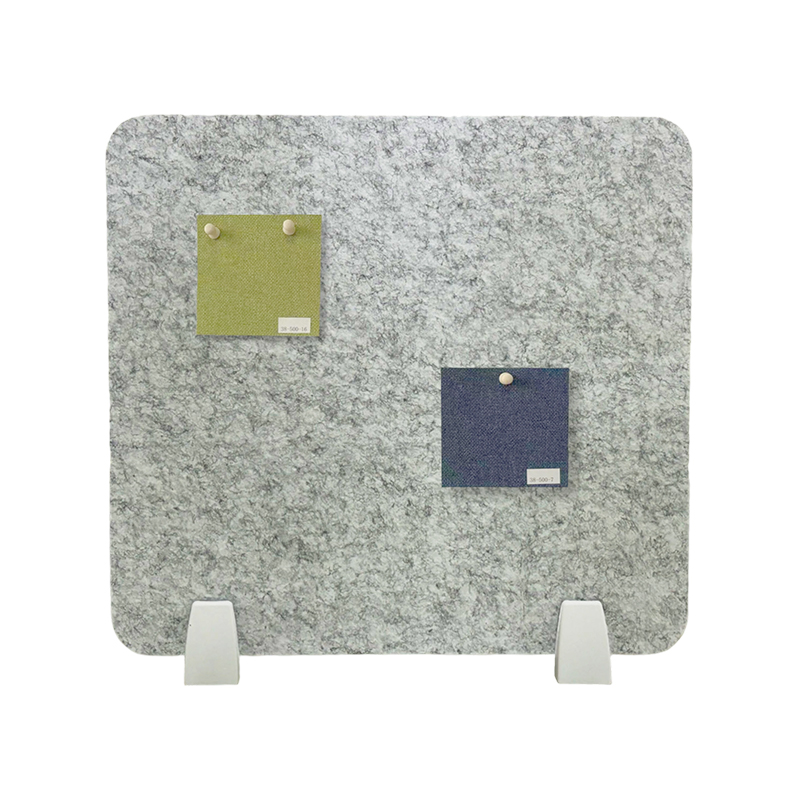 High-Density Polyester Acoustic Panels for Desk PrivacyThese polyester fiber panels come in L-shaped or U-shaped designs to suit different workstation setups. They are eco-friendly, flame-retardant, and help reduce office noise, with quick shipping and easy assembly.View Product →
What to tell your installer: high-density PET desk screens can be installed with standard clamps at 9mm-12mm thickness. Above 15mm, use bracket systems that anchor to the desk frame, not the desktop surface.
Frequently Asked Questions
What density of acoustic desk panel should I choose?
For most office applications, choose 1800 gsm at 12mm. It delivers an NRC of 0.80-0.85 and weighs less than thick low-density options. If you only need light privacy, 1200-1400 gsm is acceptable, but do not expect strong speech reduction.
Does a higher density panel always sound better?
No. Above roughly 2000 gsm, additional density produces diminishing returns because the panel becomes too dense for sound waves to penetrate deeply. The practical ceiling for desk screens is around NRC 0.85.
Can I use high-density panels on a basic office desk?
Yes, if the mounting system is rated for the added weight. A 2000 gsm panel at 12mm is still within standard desk screen dimensions for most furniture. Always verify the clamp or bracket capacity first.
How do I verify the NRC rating of a panel?
Ask the manufacturer for a test report from an accredited laboratory, not for a claimed value. Look for a report specifying the panel density and thickness, and check that the NRC was measured under ASTM C423 or ISO 354.
Final check: if the NRC report does not specify density and thickness, treat the claimed value as unverified.


